Crimson Desert's Redemption Arc: How March 2026 Updates Transformed a Rocky Launch
The launch of Crimson Desert in March 2026 was a masterclass in extremes: a record-breaking commercial triumph that immediately collapsed under a wave of player frustration. Developer Pearl Abyss...

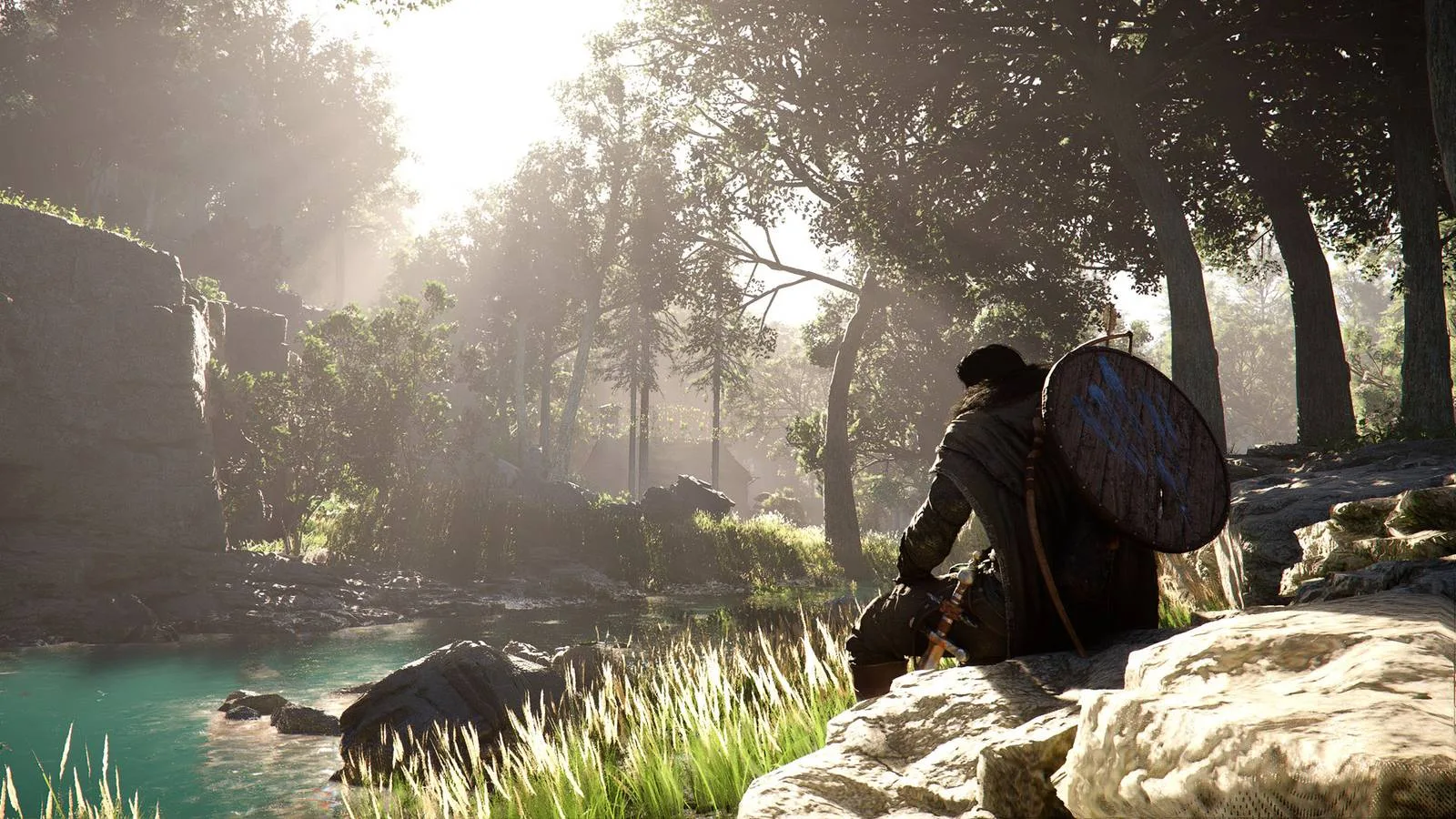
The launch of Crimson Desert in March 2026 was a masterclass in extremes: a record-breaking commercial triumph that immediately collapsed under a wave of player frustration. Developer Pearl Abyss witnessed over 2 million copies sold in its first 24 hours and a peak of nearly 230,000 concurrent players on Steam, only to be met with a "Mixed" user review status and a precipitous 30% drop in its stock price. Yet, within a month, the studio engineered one of the year's most dramatic turnarounds. Through aggressive, transparent patching, Pearl Abyss didn't just fix bugs—it fundamentally recalibrated the player experience, steering Crimson Desert from "Mixed" to "Mostly Positive." This is the story of that redemption arc.
A Launch of Extremes: Record Sales and Immediate Backlash
The anticipation for Crimson Desert was palpable, translating into undeniable commercial success. The sales figures placed it among the year's biggest launches, a testament to its ambitious marketing and the enduring appeal of its expansive, gritty fantasy world. Servers filled with players eager to step into the boots of mercenary Kliff.
Almost immediately, a dissonant chorus rose alongside the acclaim. Player feedback coalesced around three core pain points: pervasive technical instability, an intimidatingly complex control scheme, and a punishing level of design difficulty that often felt unfair. For many, the game's impressive scope was undermined by a foundation that felt rushed. Crashes were frequent, key systems were poorly explained, and encounters like the instant-kill bears or brutally unforgiving boss fights became infamous points of contention. This direct player backlash had a tangible, financial consequence, reflected sharply in the 30% plunge in Pearl Abyss's share value. The stakes for the post-launch period were no longer just about review scores; they were about corporate and creative credibility.
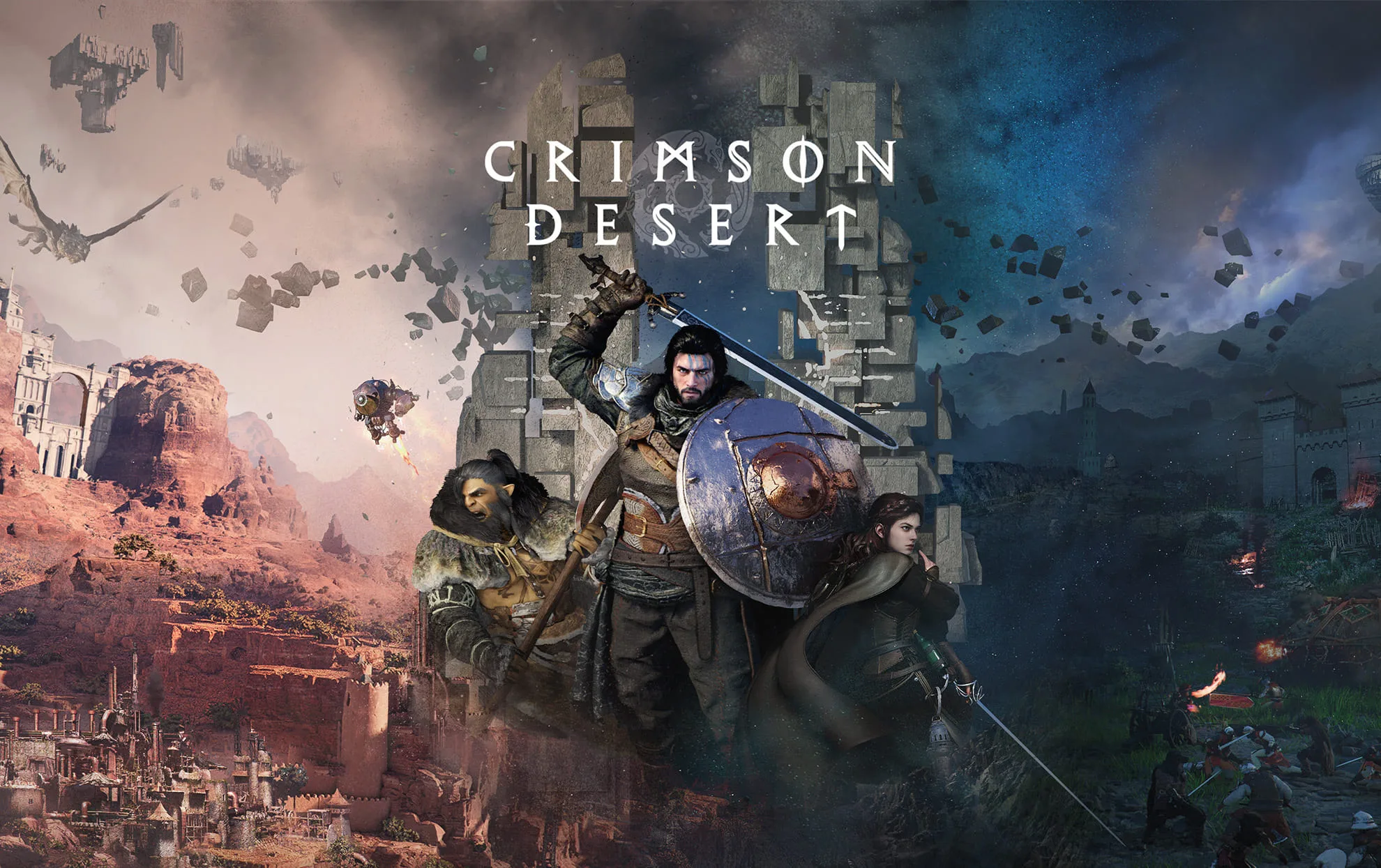
The First Response: Update 1.00.02 Lays the Foundation
Pearl Abyss's initial salvo, Update 1.00.02, arrived swiftly. Its mission was clear: stabilize the experience and clarify its most confusing aspects. This patch served as the essential groundwork, proving the studio was listening.
A critical move was the introduction of a new tutorial quest at the start of Chapter 3 dedicated to explaining the "Abyss Gears" equipment system—a direct response to widespread player confusion. Combat saw thoughtful tweaks, with Kliff's "Barrage" combo gaining an extra hit and companions Damiane and Oongka receiving new follow-up attacks to make them feel more impactful.
The patch took direct aim at some of the most vocalized frustrations. The notoriously brutal Tenebrum boss fight in Chapter 4 was rebalanced so its puzzle section no longer reset upon player death, removing a major point of attrition. In a change celebrated across forums, the instant-kill damage from bears was removed. Perhaps most crucially, Pearl Abyss deployed broad performance optimizations targeting the "substantial number" of crashes across PC and consoles, offering the first real sigh of relief for players battling instability.
The Major Overhaul: Update 1.00.03 Refines the Core Experience
If 1.00.02 was emergency surgery, Update 1.00.03 was comprehensive rehabilitation. Released around March 23 and first hitting Steam, this patch was a sweeping balance and quality-of-life overhaul explicitly "driven by player feedback." It demonstrated a willingness to not just fix bugs, but to re-evaluate foundational design choices.
The team aggressively tackled the difficulty curve. Specific enemy encounters were nerfed, including adjustments to the Reed Devil ambush and the Kearush the Slayer boss fight. Progression was smoothed out by making the powerful Force Palm skill available earlier and reducing the time investment needed to gain Knowledge. Quality-of-life received a massive injection with the addition of more Abyss Nexus fast-travel points and the introduction of Private Storage chests in key hubs like Hernand and Howling Hill Camp. Even the mundane act of resource gathering was improved, with trees requiring fewer hits to chop down.
Acknowledging one of the launch's biggest criticisms, the update delivered crucial control scheme refinements, improving responsiveness and fixing issues with the Equipment Quick Slot. It also added and improved various keyboard and mouse control options, a vital fix for a significant portion of the player base.

Integrating the Fixes: Platform-Specific Support and Ongoing Work
The redemption effort extended beyond core gameplay to address critical platform-specific issues, integrating these fixes into the broader narrative of improvement. The rollout was staggered, with Steam receiving 1.00.03 first, followed by confirmed updates for Xbox, PlayStation, Epic Games Store, and Mac. This allowed for targeted solutions that directly impacted player experience on different systems.
Key fixes included a toggle for 120Hz mode in the PS5 Settings, directly resolving widespread reports of blurry graphics, and a major patch that resolved a crash on PlayStation triggered by opening the map menu. The studio's transparency was further demonstrated by publishing a list of "Known Issues," including graphical bugs linked to FSR4 upscaling—such as vanishing rain effects—and a severe launch problem specifically affecting the Xbox ROG Ally and Xbox PC platforms. This honesty, while highlighting remaining hurdles, helped manage community expectations and signaled an ongoing commitment to the game's health across all ecosystems.
The Result: A Community and Critical Re-evaluation
The cumulative impact of this rapid-fire support cycle was decisive. The aggregate Steam review score steadily climbed from "Mixed" to "Mostly Positive," a tangible metric of restored player goodwill. This shift was not the result of marketing or hype, but of demonstrable change. The updates had successfully surgically removed the most acute sources of launch-week frustration.
This turnaround is a significant case study in modern live-service development. It signals that Pearl Abyss, despite the initial stumble, possesses a responsive and committed post-launch philosophy. In an era where a game's launch is often just the beginning of its journey, the ability to listen, adapt, and deploy meaningful fixes quickly is as important as the initial vision.
Crimson Desert’s first month transformed a potential cautionary tale into a testament to resilient post-launch support. The frantic firefighting is over, and a solid foundation is now in place. The pivotal question remains: does this strong foundation finally allow the game's ambitious world, deep narrative, and raw combat potential to take center stage and define its legacy in the months ahead? For a game that has already engineered one remarkable comeback, the next chapter is eagerly awaited.