Crimson Desert's Bold Post-Launch Strategy: Prioritizing Polish Over Expansion
In the relentless churn of the live-service RPG machine, the post-launch playbook is well-worn. Players brace for a predictable cycle: a major expansion announcement at Season 1’s end, a roadmap...

In the relentless churn of the live-service RPG machine, the post-launch playbook is well-worn. Players brace for a predictable cycle: a major expansion announcement at Season 1’s end, a roadmap filled with new zones and story chapters, and a battle pass dripping with cosmetics. It’s a content-first arms race where foundational flaws are often buried under new features. In an industry where "launch now, fix later" is often the unspoken rule, Crimson Desert is demonstrating a rarer principle: that a game's foundation deserves as much post-launch attention as its future. Following its explosive launch, developer Pearl Abyss is making a notable, player-focused pivot: dedicating substantial resources not to what’s next, but to fixing what’s here. A recent major patch serves as a powerful declaration of this philosophy, prioritizing systemic polish, responsive fixes, and even tackling controversial elements like AI art, signaling a development strategy that values the game's core health above all else.
The Polish-First Patch: More Than Just New Mounts
The recent update, on the surface, delivered expected live-service fare. Players gained access to five new conditional mounts, each unlocked by completing specific in-game challenges, and discovered new treasure chests scattered across the map. This is the standard content drip-feed. However, the patch’s true significance lay beneath this new layer.
The most impactful changes were systemic overhauls designed to refine the foundational experience. The crime and reputation system received a complete retooling. Previously, criminal acts would automatically deduct “Contribution,” a vital reputation rating. Now, Contribution is only lost if an NPC witness is present, transforming a rigid penalty into a more dynamic, player-agency-driven system. Elsewhere, patch notes promised to make the challenging “Abyss” gameplay “more convenient,” alongside general improvements to movement controls.
Yet, the most telling alteration was one of subtraction, not addition. The patch notes listed the removal of certain “2D visual assets.” Across community forums and social media, this has been widely interpreted as Pearl Abyss purging AI-generated art paintings from the game’s world. This move goes beyond a simple texture update. It’s a direct response to community standards and a clear signal of a commitment to curated, quality artistry, even when it means retroactively correcting a controversial pre-launch element. It’s a polish-first mentality in its purest form.
However, this commendable focus on polish shines a harsh light on the one major system where a reactive fix has yet to materialize: the fundamentally broken alternate character progression.
Addressing the Elephant in the Room: The Broken Alt-Character System
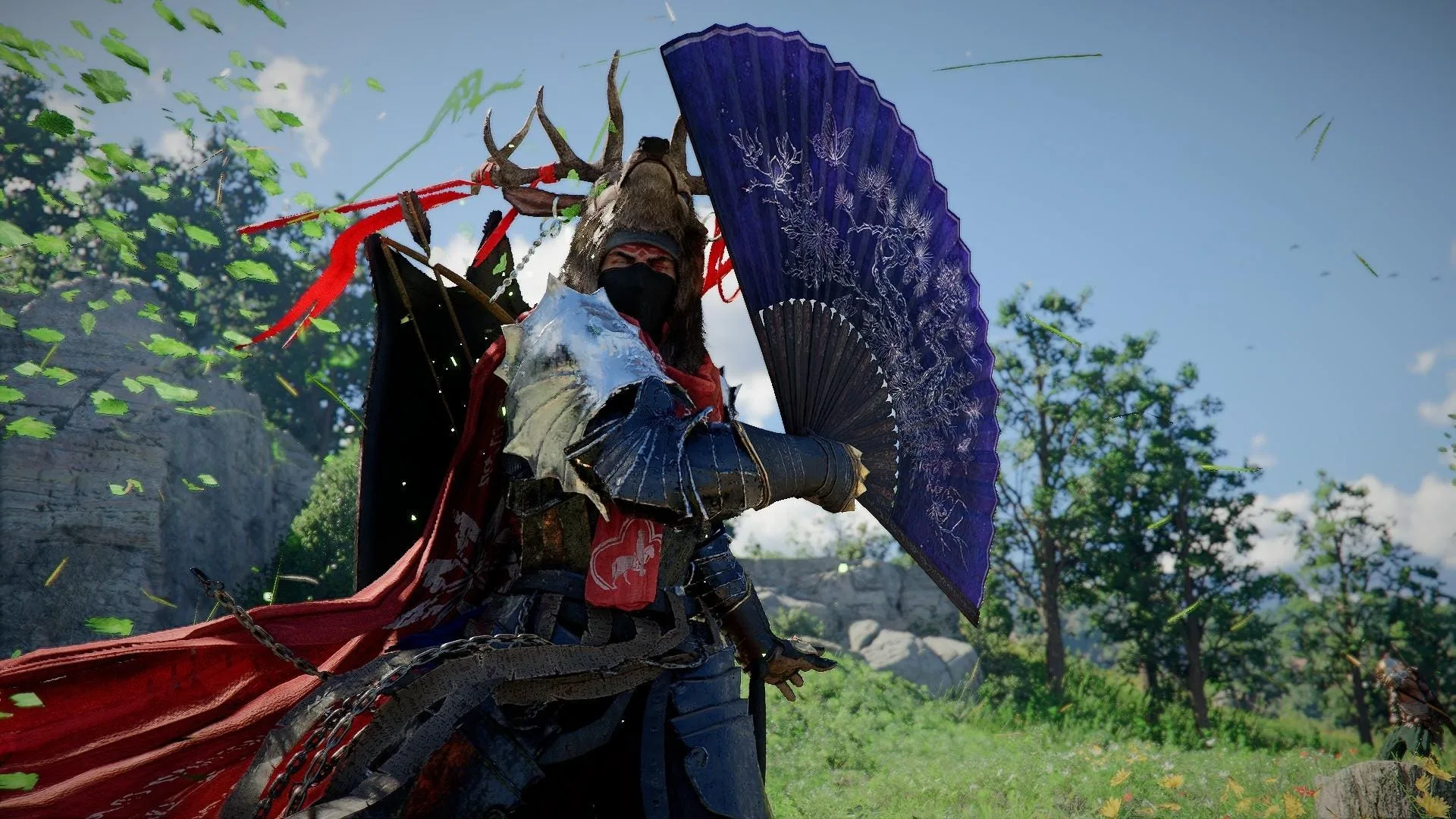
For all the goodwill generated by quality-of-life patches, a deep and critical flaw remains unaddressed, threatening to undermine the game’s long-term progression. As highlighted in a detailed Forbes analysis based on 155 hours of playtime, the alternate character system for companions Damiane and Oongka is fundamentally broken.
The core conflict is a brutal resource economy. The key resource for upgrading skills and gear—Abyss Artifacts—is a zero-sum commodity. These artifacts are not shared across a player’s roster. Investing them in an alternate character like Damiane directly weakens the main protagonist, Kliff, by starving him of essential power. This forces an undesirable and frustrating choice: focus solely on Kliff and let other characters languish, or gimp your primary progression to experiment with other playstyles.
The analysis suggests clear, expert-recommended fixes, such as creating a shared artifact pool across characters or drastically reducing the upgrade costs for alts. This systemic issue represents the next major hurdle for Pearl Abyss. The question is whether the studio’s reactive polish will extend to a complete overhaul of this deeply flawed progression pillar.

Pearl Abyss's Uncommon Development Philosophy: Reactive and Responsive
The commitment shown in this latest patch is not an isolated incident. It continues a track record of rapid, post-launch intervention that began almost immediately after release. Pearl Abyss moved swiftly to address pre-release complaints, deploying fixes for restrictive fast travel mechanics and expanding limited inventory space—issues that were major points of feedback during the preview period.
This pattern reveals an uncommon development philosophy in the AAA live-service space: a reactive and responsive approach that prioritizes system health and immediate player experience over the relentless cadence of new content drops. While other studios might have scheduled the crime system overhaul or AI art replacement for a distant “Version 2.0” update, Pearl Abyss is treating these foundational repairs as urgent, launch-window priorities. This “polish-first” strategy is a gamble that values player retention through improved daily gameplay over the hype cycle of expansion announcements.
Community Trust vs. Unresolved Frustration
This strategy creates a fascinating tension within the Crimson Desert community. On one hand, it fosters significant player appreciation and trust. Seeing a developer listen and act decisively on feedback—especially on hot-button issues like AI art—builds a reservoir of goodwill. Players feel heard, and that their investment in the game is matched by the developer’s investment in its quality.
On the other hand, this goodwill is tested by lingering, high-impact frustrations. The broken alt-character system is a prime example. The community must grapple with a difficult question: Can the consistent delivery of quality-of-life patches sustain engagement while major character progression systems remain dysfunctional? For players hitting the Abyss Artifact wall with their alts, no amount of new mounts or convenient chests may alleviate the feeling of hitting a progression dead-end.
The long-term health of Crimson Desert hinges on Pearl Abyss’s ability to balance these forces. The studio has masterfully demonstrated its capacity for surgical, reactive fixes. The true test will be whether it can muster the same decisive energy for proactive, large-scale systemic overhauls.
Crimson Desert is carving an unusual and commendable path in the RPG landscape by treating its launch version not as a finished product but as a living foundation to be meticulously improved. The responsive polish of the crime system and the principled removal of AI art have set a powerful precedent. For Crimson Desert to fully deliver on its player-first promise, that same surgical, decisive energy must now be applied to the alt-character system. How Pearl Abyss handles this looming challenge will ultimately define whether this 'polish-first' strategy is a temporary tactic or the new foundation for a lasting RPG.
Tags: Crimson Desert, Pearl Abyss, RPG, Game Development, Patch Analysis