Crimson Desert's AI Art Controversy: How a Development Shortcut Led to a Costly Launch Crisis
In the annals of video game launches, March 2026 will be remembered for a stark paradox. Crimson Desert , Pearl Abyss’s sprawling, $133 million fantasy epic, achieved a monumental commercial feat,...

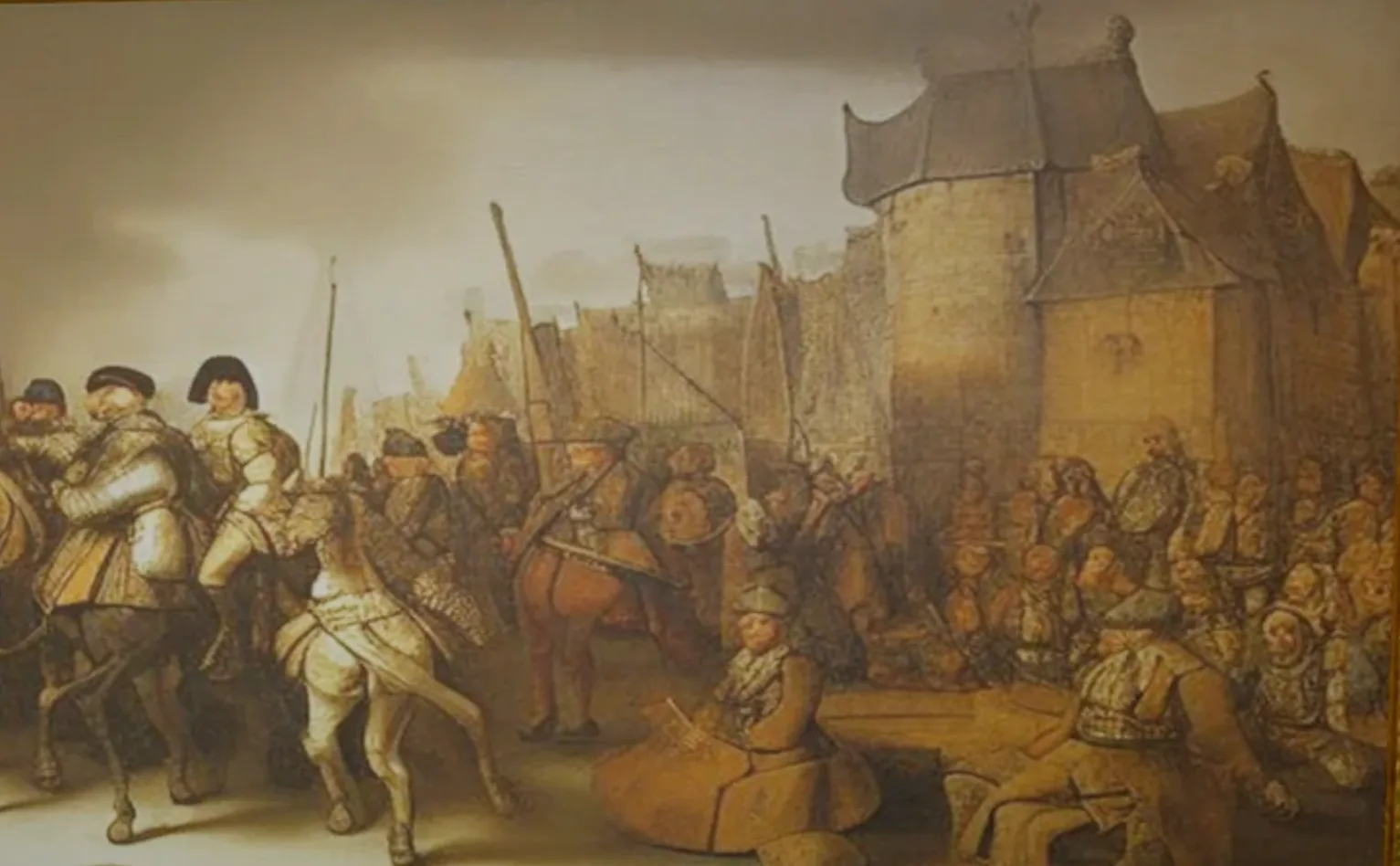
In the annals of video game launches, March 2026 will be remembered for a stark paradox. Crimson Desert, Pearl Abyss’s sprawling, $133 million fantasy epic, achieved a monumental commercial feat, selling 2 million copies in its first 24 hours and peaking at nearly 250,000 concurrent players on Steam. Yet, within the same breath, it plunged into a self-inflicted crisis. As players explored its vast world, a different story unfolded on stock tickers and review pages: the company’s share price was in freefall, and the game was being bombarded with “Mixed” reviews. At the heart of this schism was an apology—not for rampant bugs or server failures, but for the quiet, unintended presence of AI-generated art in the final product. This incident has ignited a fierce debate, exposing the raw tension between the industry’s drive for modern, efficient tools and the unwavering player expectation for transparency and handcrafted quality in a premium experience.
The Admission: From "Early-Stage Iteration" to Final Release
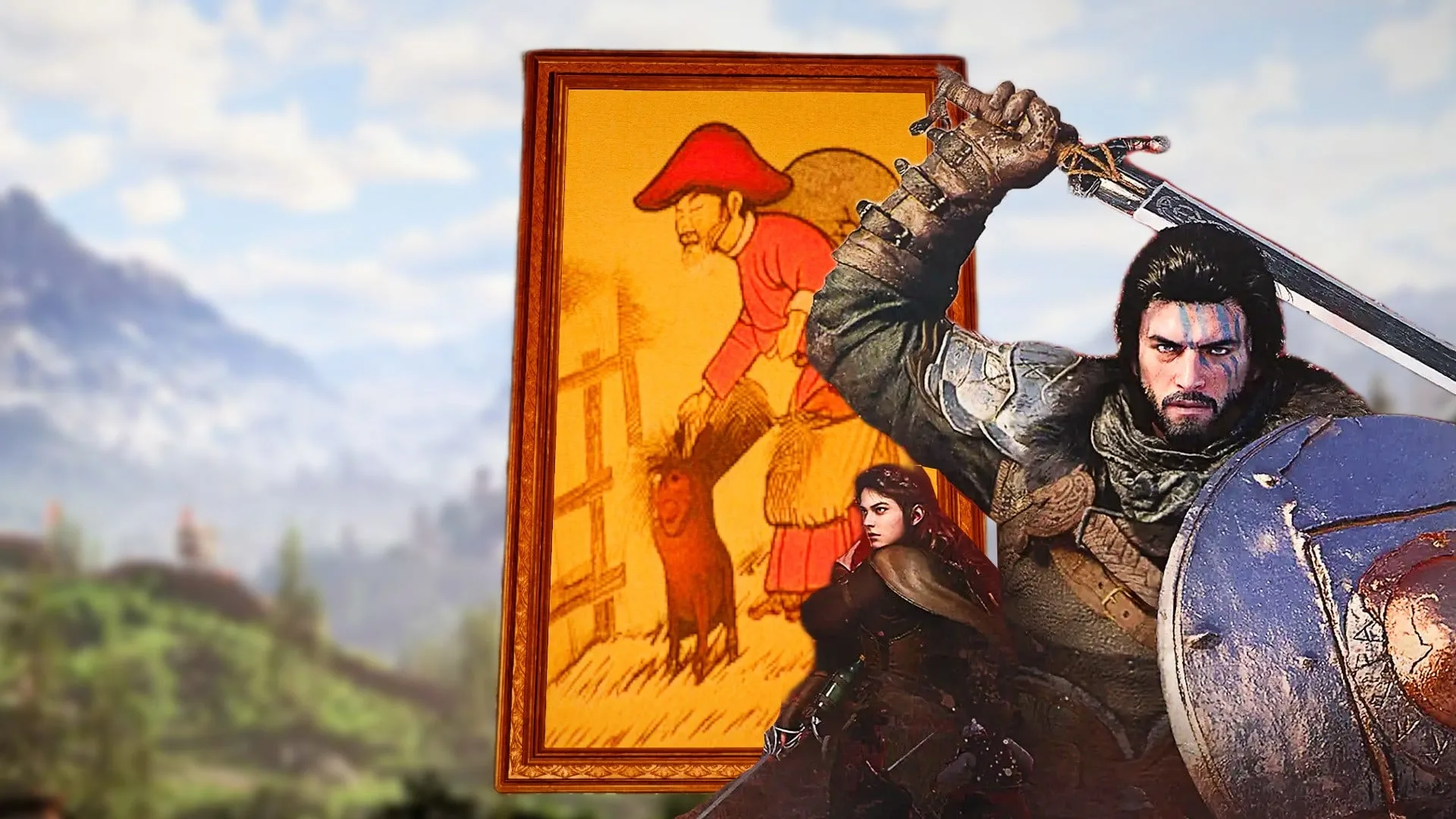
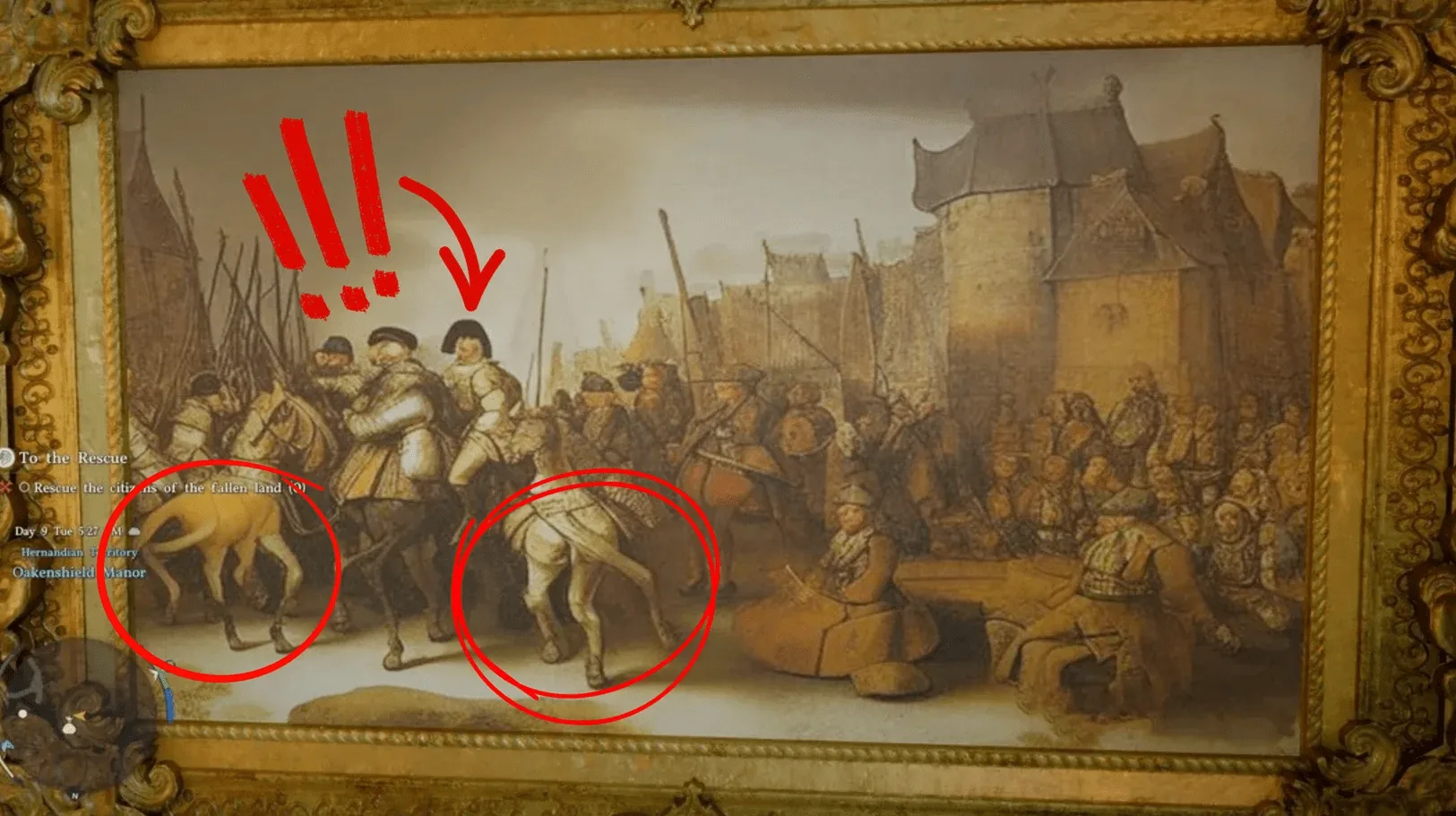
The controversy came to a head on March 22, 2026, when developer Pearl Abyss issued a formal statement. The admission was specific: generative AI had been used to create certain 2D visual props, such as interior paintings and environmental murals. The studio was quick to frame this use within a standard development context, stating it was for “early-stage iteration” to rapidly explore “tone and atmosphere.” The implied workflow was familiar and logical: use AI as a digital mood board, a placeholder to block out ideas before commissioning or creating final, polished assets.
However, the core of the apology revealed a critical breakdown. Pearl Abyss acknowledged that these placeholder AI assets were never replaced. They shipped in the final version of the game, a release that capped a seven-year development cycle. The company called this an “unintentional” failure of internal processes and standards. For a project of this scale and budget—reportedly 200 billion won—the oversight was profound. It transformed a supposedly benign, internal tool for ideation into a public-facing element of a finished product, fundamentally altering its perception from a development aid to a glaring process failure.
Breach of Trust and a Compounding Crisis
The situation was compounded by a failure in transparency that extended beyond the game’s code. Valve’s Steam platform requires developers to disclose the use of AI-generated content on their store pages. Pearl Abyss admitted it failed to do this at launch. The required notice was only added after the community raised the issue, an act that framed the initial omission as a breach of both platform policy and consumer trust. This lack of upfront disclosure fueled the backlash, shifting the narrative from a simple asset error to one of corporate opacity.
Furthermore, Pearl Abyss’s statement did not address separate, widespread player claims regarding the use of AI for in-game language translations—which, if true, would point to a more systemic use of AI tools. This created a significant credibility gap, leaving players to wonder what else might not have been communicated.
The AI controversy did not occur in a vacuum; it acted as a catalyst, focusing broader player discontent into a single narrative of negligence. Player reviews on Steam, sitting at “Mixed,” consistently criticized clunky, unresponsive controls, performance issues, and a divisive narrative. The AI apology was, in fact, Pearl Abyss’s second major post-launch statement, following an earlier one addressing control schemes. Other significant problems included a lack of official support for Intel Arc Graphics Cards at launch and various technical glitches.
The financial fallout was immediate and severe. Following the game’s launch and its rocky critical reception, Pearl Abyss’s stock price had already fallen nearly 30%. The day after the AI news broke, it dropped an additional 9.78%, directly tying millions in market capitalization loss to this reputational damage. The AI oversight became the symbol of a launch that felt rushed and mismanaged in its final phase, despite years of development.
The High-Stakes Response and Industry Implications
Facing a perfect storm of financial and community relations crises, Pearl Abyss outlined a two-pronged remedial path. First, a “comprehensive audit” of all in-game assets is underway to identify and remove any remaining AI-generated content via future patches. Second, and perhaps more crucially, the company pledged a review of its internal development processes to prevent a recurrence.
The Crimson Desert case study now serves as a stark warning for the entire industry. It highlights the tangible risks of integrating generative AI into a production pipeline without ironclad governance. The incident underscores the non-negotiable importance of final-pass art approval and meticulous asset tracking from conception to gold master. Furthermore, it has cemented a new standard: disclosure is now mandatory, both as a platform rule from storefronts like Steam and as a baseline expectation from an increasingly discerning player base.
The question this debacle poses to other studios is profound. How can generative AI be used ethically and practically as a tool for iteration and inspiration without risking a Crimson Desert-scale backlash? The answer appears to lie not in abandoning the technology, but in implementing rigorous processes, maintaining absolute transparency, and ensuring that its role is strictly confined to pre-production, never blurring the line into the final, shipped product.
The story of Crimson Desert’s launch is a modern benchmark for failure. It demonstrates that in an era where AI tools offer seductive efficiencies, the foundational pillars of game development—process integrity, artistic accountability, and transparent communication—are more vital than ever. For players, the lesson is heightened scrutiny. For developers, the pressing question is no longer if AI will be used, but how its use will be governed, communicated, and ultimately, hidden from the player's experience—where all tools, in the end, should reside.
Tags: Crimson Desert, Pearl Abyss, Generative AI, Game Development, Video Game Controversy