Control Resonant: How Remedy's Action RPG Sequel Evolves the Franchise
The PlayStation State of Play surprise wasn't just a new Control game—it was a genre shift. Control Resonant transforms Remedy's acclaimed third-person shooter into a full-fledged action RPG, and the...

The PlayStation State of Play surprise wasn't just a new Control game—it was a genre shift. Control Resonant transforms Remedy's acclaimed third-person shooter into a full-fledged action RPG, and the first extended look at the sequel reveals a dramatic reinvention. Moving beyond the shifting halls of the Federal Bureau of Control, this new chapter introduces a new protagonist, a warped setting, and a completely redefined combat philosophy. The central question is compelling: How does this fundamental shift change the experience of wielding supernatural power? By placing Dylan Faden in a hostile Manhattan and rebuilding its core systems, Control Resonant is shaping up to be Remedy's most ambitious evolution yet.
From Jesse to Dylan: A New Protagonist in a Fractured World
The shift begins with the protagonist. Players are no longer in the role of Director Jesse Faden, the powerhouse who stabilized the Oldest House. Instead, the story follows her brother, Dylan Faden, whose complex history with the supernatural and the Hiss makes him a compelling and untested lead. This change in perspective is fundamental, moving the narrative from an institutional authority figure to a more personal journey of discovery and survival.
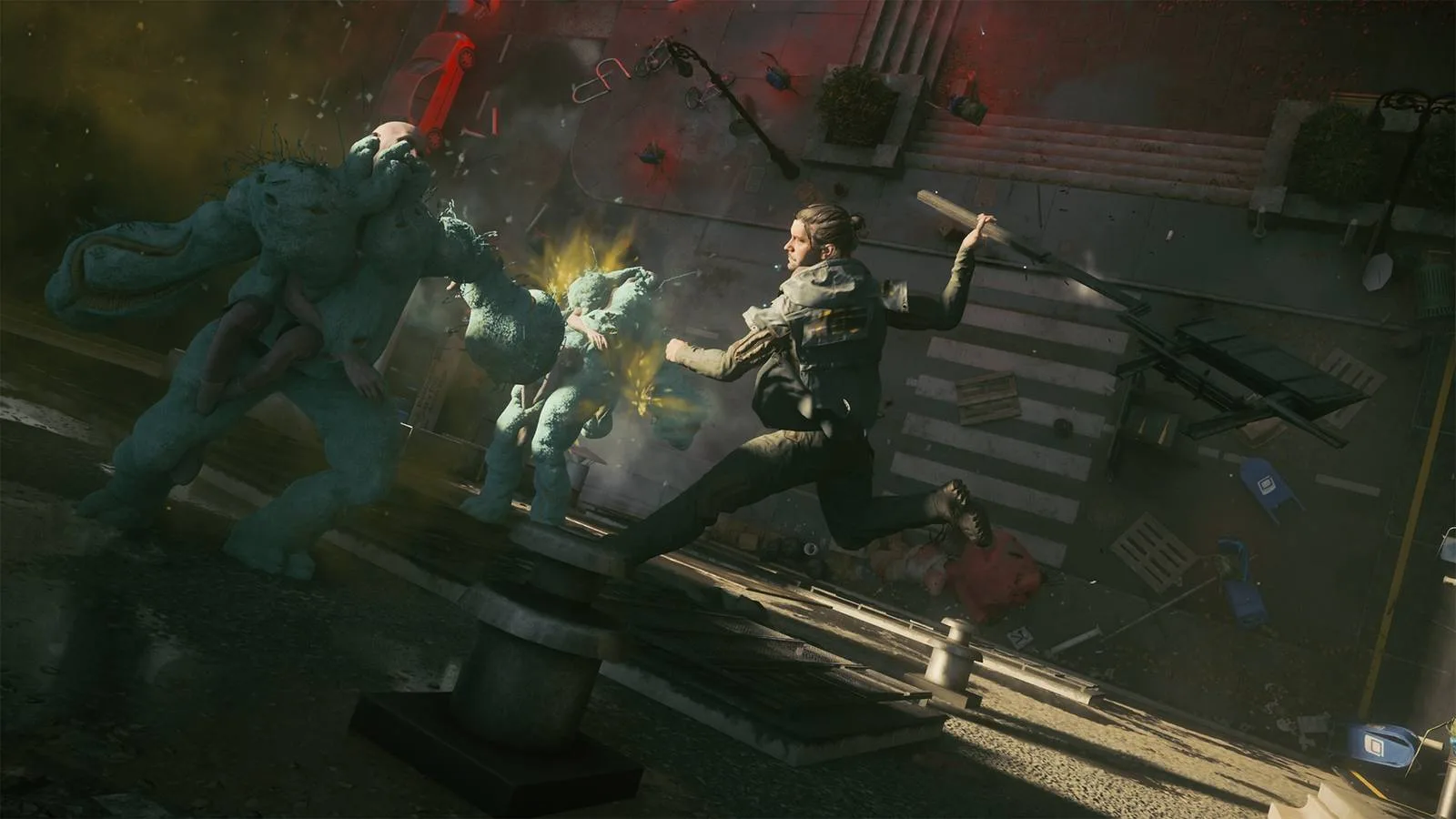
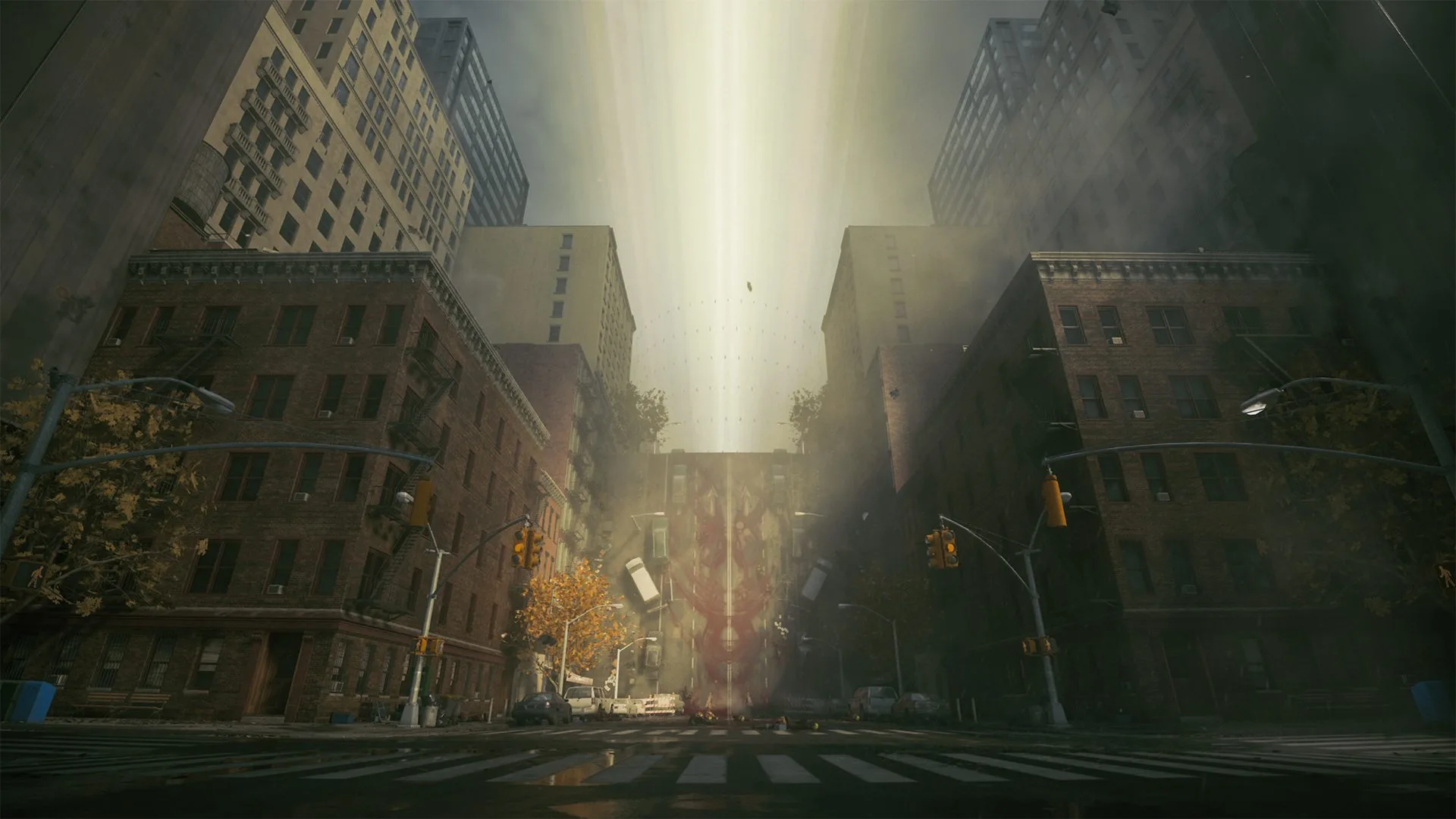
The setting has exploded outward from the brutalist interior of the FBC. Dylan’s battle takes place in the "West Incursion Zone," a nightmarish, reality-bent version of Manhattan. This new locale promises a different kind of surrealism—one grafted onto familiar urban architecture now twisted by impossible physics and otherworldly corruption. Populating this dangerous landscape are the game’s new core antagonists: the Resonants. Described as corrupted remnants of once-powerful individuals, these entities serve as the major boss encounters. More than just enemies, they are also the key to progression; defeating them is how Dylan permanently unlocks new combat abilities, tying narrative progression directly into the action RPG mechanics.
The Action RPG Evolution: Redefining Control's Combat
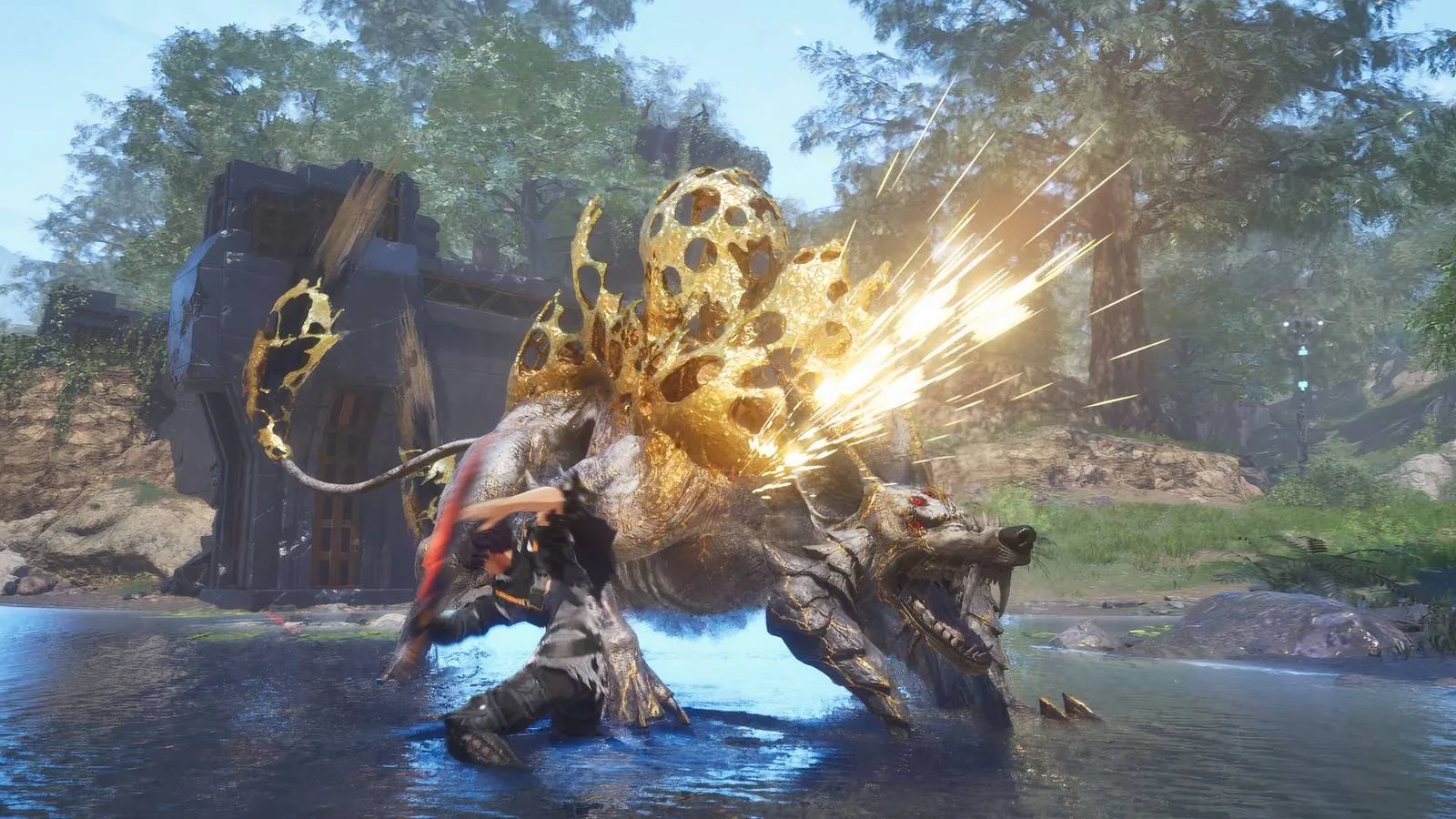
This is the most significant departure from the original Control. The game is now explicitly an action RPG, moving beyond the run-and-gun, Service Weapon-focused combat of its predecessor. The new system is built around deeper customization, player choice, and a pronounced emphasis on melee.
At the heart of this new combat philosophy is the Aberrant, a shapeshifting melee weapon that is an extension of Dylan’s will. It can dynamically transform between forms such as a blade, a hammer, a scythe, or even enhanced fists, allowing players to adapt their fighting style on the fly or tailor it to specific encounters. As detailed in the official PlayStation Blog post by Lead Gameplay Designer Sergey Mohov, this system is complemented by a deeper customization and loadout framework. Players will be able to build Dylan around specific ability and weapon form combinations, encouraging experimentation and specialized playstyles.
The progression loop is directly tied to the Resonants. Each major foe defeated grants access to new, permanent combat abilities, creating a compelling risk-reward structure for engaging with the game’s toughest challenges. This shift from finding weapon mods to earning core abilities from bosses fundamentally changes the power fantasy, making growth feel earned and uniquely tied to the narrative’s key confrontations.
Mastering Reality: New Traversal and Environmental Gameplay
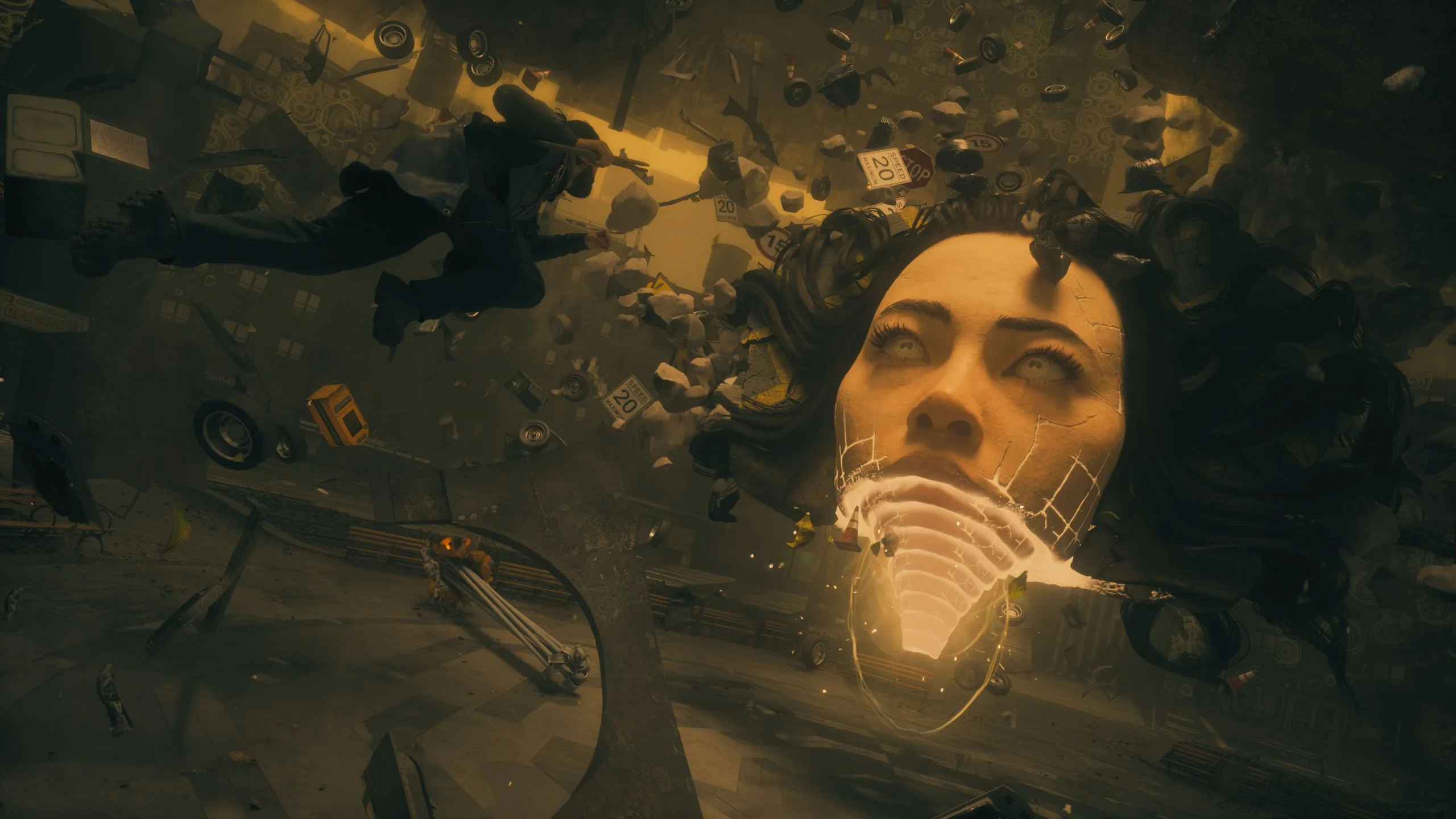
If combat has been reinvented, traversal has been supercharged. Control Resonant introduces two key abilities that redefine movement and puzzle-solving. The Reach ability allows Dylan to teleport tactically to specific structures, enabling rapid repositioning in combat and access to distant platforms. More dramatically, the Shift ability lets Dylan redirect gravity, granting the power to walk on walls and ceilings.
These abilities are not just for show. They are integral to navigating the game’s environmental hazards, specifically the "Gravity Anomalies" that plague the West Incursion Zone. They will also be central to solving the environmental puzzles that Remedy games are known for. Creative Director Mikael Kasurinen and his team have designed the world around this enhanced mobility. It’s important to note that the game is not a full open world; instead, it is structured around "large, distinct, and expansive zones." This design philosophy suggests a curated, dense experience where these new traversal mechanics can be deeply integrated into the level design, encouraging vertical exploration and clever navigation.
Behind the Scenes: Development Insights and Technical Showcase
The gameplay reveal was more than a content drop; it was a statement of technical intent. The showcased footage was noted as running on a PlayStation 5 Pro, hinting at the visual ambitions Remedy has for its Northlight engine to render dense, reality-warping environments filled with dynamic physics.
The insights from the development leadership clarify a unified vision for this evolution. Sergey Mohov’s blog post emphasizes the deliberate move to action RPG systems to provide players with more agency over their build, while Creative Director Mikael Kasurinen’s stewardship ensures the sequel’s bold new direction remains rooted in the franchise’s core identity: a compelling, weird-world mystery where the environment itself is a character. This combination of innovative gameplay design and technical prowess aims to deliver a sequel that feels both familiar and radically new.
Control Resonant represents a confident and bold evolution for Remedy’s surreal universe. By embracing action RPG mechanics, introducing a shapeshifting melee core, and handing the reins to Dylan Faden, the studio is expanding the very definition of what the franchise can be. The innovative traversal abilities promise to make exploration a fresh thrill, while the focus on defeating Resonants for power creates a compelling gameplay loop. Slated for a 2026 release on PlayStation 5, Xbox Series X/S, and PC, Control Resonant has firmly positioned itself as one of the most intriguing titles on the horizon. By tying power directly to narrative conquest and making the environment a playground for new physics, Control Resonant doesn't just ask players to wield the supernatural—it dares them to redefine it.
Tags: Control Resonant, Remedy Entertainment, Action RPG, PlayStation State of Play, Gameplay Reveal