Castlevania's Resurgence: How Belmont's Curse Signals a New Era for Konami's Iconic Franchise
The decade-long silence from Dracula's castle was shattered by a single, electrifying reveal: Castlevania: Belmont's Curse . Yet, Konami’s accompanying statement carried even greater weight, framing...

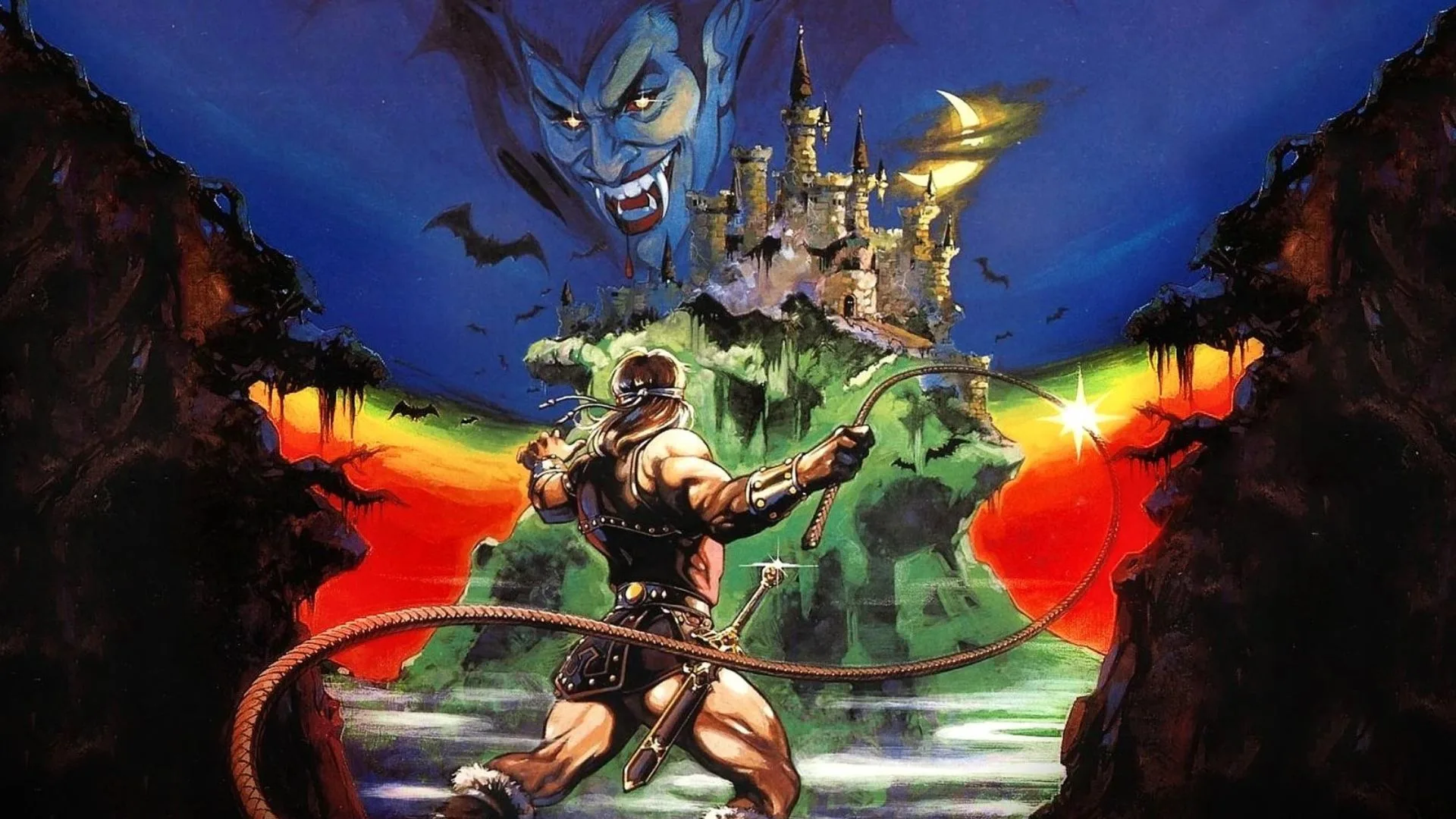
The decade-long silence from Dracula's castle was shattered by a single, electrifying reveal: Castlevania: Belmont's Curse. Yet, Konami’s accompanying statement carried even greater weight, framing this not as a one-off return but as a strategic revival. The company declared Belmont's Curse to be "the beginning of numerous new products around Castlevania." This proclamation transforms a game announcement into a pivotal industry moment. It begs the central question: After years of dormancy, what does this planned, multi-product renaissance mean for the future of one of gaming’s most revered legacies?
Breaking the Silence: The Announcement of Belmont's Curse
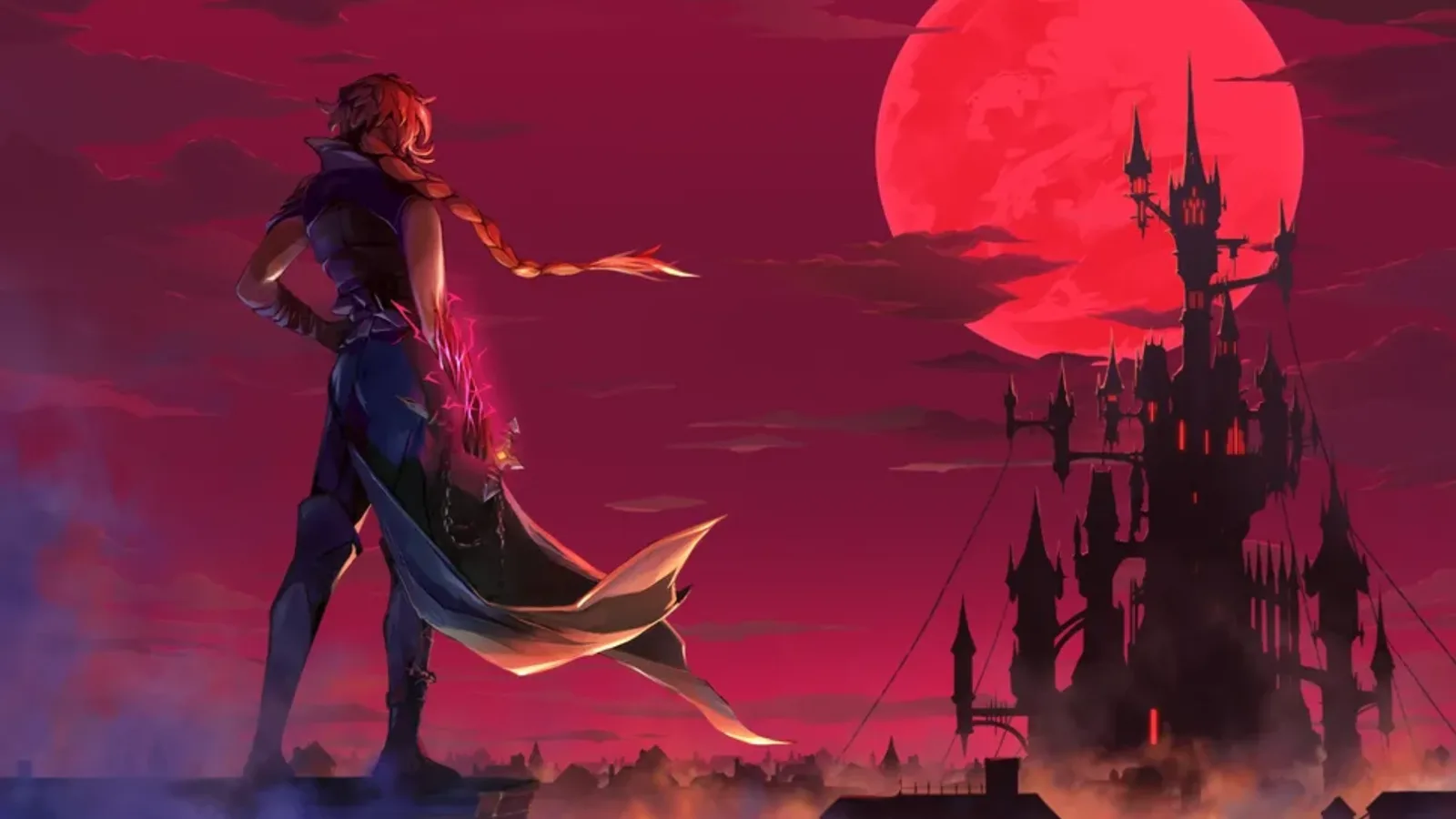
The reveal of Castlevania: Belmont's Curse was a masterclass in atmospheric tease. Unveiled during a recent PlayStation State of Play, the trailer showcased a stark, crimson-washed vision of 15th century Paris—a departure from gothic Transylvania, yet dripping with the same ominous tone. Konami confirmed it as a 2D, exploration-focused action title, a direct callback to the beloved "Igavania" era.
The significance is profound. It marks the end of a long drought for a new, classic-styled 2D entry, with the last being 2008's Order of Ecclesia. For a franchise that celebrates its 40th anniversary in 2026—the same year Belmont's Curse is slated for release—this return is powerfully symbolic. Konami is not merely acknowledging the anniversary with a port, but with a substantial, core entry intended to carry the saga forward.

The Perfect Architects: Why Evil Empire and Motion Twin Matter
Perhaps the most confidence-inspiring detail was the named development team. Castlevania: Belmont's Curse is being crafted by Evil Empire and Motion Twin, the studios behind the rogue-lite phenomenon Dead Cells and its universally acclaimed Return to Castlevania DLC.
This choice is a strategic masterstroke. The DLC was a love letter that demonstrated an intimate, respectful understanding of the source material’s mechanics, music, and mood. It proved these developers could not only replicate the feel of classic Castlevania but could successfully integrate its tenets into a modern, critically beloved framework. By entrusting the franchise to a team that has already earned the community’s trust, Konami mitigates the immense risk of reviving a dormant IP. The message is clear: the franchise is in the hands of creators who are both fans and proven experts in modern Metroidvania design.
"The Beginning": Decoding Konami's Strategic Revival Plan
The most impactful part of Konami’s statement was its explicit forward-looking scope. Positioning Belmont's Curse as the start of "numerous new products" is a clear declaration of intent, moving far beyond a tentative toe-dip back into familiar waters.
This strategy mirrors Konami’s ongoing approach with another hallowed horror IP: Silent Hill. That revival encompasses multiple projects, including full remakes (Silent Hill 2), new mainline entries (Silent Hill f), and experimental titles. It represents a corporate-level strategy to leverage its rich back catalog, building sustained modern relevance rather than relying on one-off releases.
Speculation on what "numerous new products" entails is now a fervent fan activity. The roadmap could include direct sequels, full remakes of seminal titles like Symphony of the Night, new narrative spin-offs, or expansions into other media. The phrase opens the door to a multi-year initiative designed to re-establish Castlevania as a cornerstone of Konami’s identity.
A Legacy Reforged: Castlevania at 40 and Its Modern Audience
The revival arrives at a critical juncture for the franchise’s identity. The Castlevania name now resonates across two distinct, powerful vectors: the nostalgic legacy of the games and the massive audience brought in by the acclaimed Netflix animated series. Konami’s challenge—and opportunity—is to craft a product that honors the former while welcoming the latter.
Belmont's Curse must walk a fine line. It needs to satisfy longtime fans yearning for the intricate map design, RPG progression, and atmospheric exploration of the "Igavania" formula. Simultaneously, it must be accessible and compelling to players whose first contact with the Belmont name was through the show, or who discovered the genre through modern hits like Hollow Knight. Setting the game in 15th century Paris is a first step in forging a new path while maintaining the core historical horror aesthetic.
The ultimate test will be innovation. A 2026 release cannot simply be a retro homage; it must advance the design principles Castlevania helped establish. The developers at Evil Empire and Motion Twin, having already modernized these elements in Dead Cells, are arguably the best-equipped team in the industry to perform this alchemy.
Castlevania: Belmont's Curse is more than a new game—it is a statement of intent. Konami has moved from silence to a clear, multi-pronged strategy, committing significant resources and its most appropriate development talent to resurrect a pillar of gaming history. The weight of expectation is immense, balanced on the whip of a Belmont once more. The silence that once filled the halls of Dracula's castle has been replaced by the clear, strategic sound of a franchise marching toward its future. After a long slumber, the mere fact that the castle gates are creaking open again, with the promise of more to come, is a cause for cautious optimism. A new chapter for this legendary franchise is finally being written.
Tags: Castlevania, Konami, Belmont's Curse, Video Game News, Metroidvania