Can Shadowstone Be Dreamhaven's Breakout Hit? Inside Mike Morhaime's Pivot to a Run-Based Sunderfolk World
When Mike Morhaime, the legendary co-founder and former president of Blizzard Entertainment, announced Dreamhaven in 2020, the gaming world took notice. Here was an architect of Warcraft , StarCraft...

When Mike Morhaime, the legendary co-founder and former president of Blizzard Entertainment, announced Dreamhaven in 2020, the gaming world took notice. Here was an architect of Warcraft, StarCraft, and Diablo building a new haven for creative talent, promising a return to the developer-centric ethos that built a genre-defining empire. The pedigree was impeccable, the ambition clear, and expectations soared.
Five years later, that dream is under severe financial pressure. Two rounds of layoffs in five months, a public warning from Morhaime about expenses outpacing revenue, and a portfolio of published games that have yet to capture a major audience paint a starkly different picture. Now, Dreamhaven’s next major bet is taking shape not from a blank slate, but from the bones of an existing world. From Secret Door studio comes Shadowstone, a “tactics roguelike” spin-off set in the Sunderfolk universe, slated to launch into early access in 2026 with a crucial strategic shift: ditching mobile phone controls for a focused, mouse-and-keyboard-first PC experience.
This pivot represents more than a new game; it’s a critical test. Can this run-based tactical gamble finally deliver the hit Dreamhaven desperately needs?
The Dreamhaven Dilemma: From Blizzard Pedigree to Financial Pressure
Dreamhaven was founded as a publisher housing two distinct, veteran-led studios: Secret Door, led by Chris Sigaty (Warcraft 3, StarCraft 2), and Moonshot, led by Jason Chayes, Dustin Browder, and Ben Thompson (Hearthstone, Heroes of the Storm). The promise was a sanctuary for innovation, free from corporate mandates.
The reality of sustaining independent development has been harsh. In late 2025, Morhaime warned that company expenses were outpacing revenue. This was followed by a layoff primarily affecting publishing staff in September 2025, and another at Moonshot Games in early 2026. Titles like the tactical RPG Sunderfolk, the sci-fi shooter Wildgate, and the adventure game Lynked: Banner of the Spark have, by Morhaime’s own admission, failed to find large audiences to date. The studio built on Blizzard’s legacy now faces the universal indie struggle: achieving sustainability before the runway ends.

Sunderfolk's Evolution: Laying the Groundwork for Shadowstone
At the core of Dreamhaven’s new strategy is Sunderfolk, Secret Door’s debut title. This cooperative tactics game, where players use their mobile phones as controllers, established a fantasy world and core mechanics. Its journey, however, is still unfolding.
On March 10, Secret Door is launching the Sunderfolk 2.0 update, a move far more significant than typical post-launch support. This update adds native mouse and keyboard support, online multiplayer, a new hero (the Vanguard), and new missions. This isn’t just about new content; it’s a foundational modernization. By proving the Sunderfolk world and its tactical combat can thrive with traditional PC controls and broader online accessibility, Secret Door is directly building the technical and conceptual bridge to its next project. Sunderfolk 2.0 is the necessary groundwork, transforming the original’s novel concept into a more versatile IP. In essence, this update serves as a public test for the very systems Shadowstone will depend upon.
Shadowstone Unveiled: A Run-Based Tactical Pivot
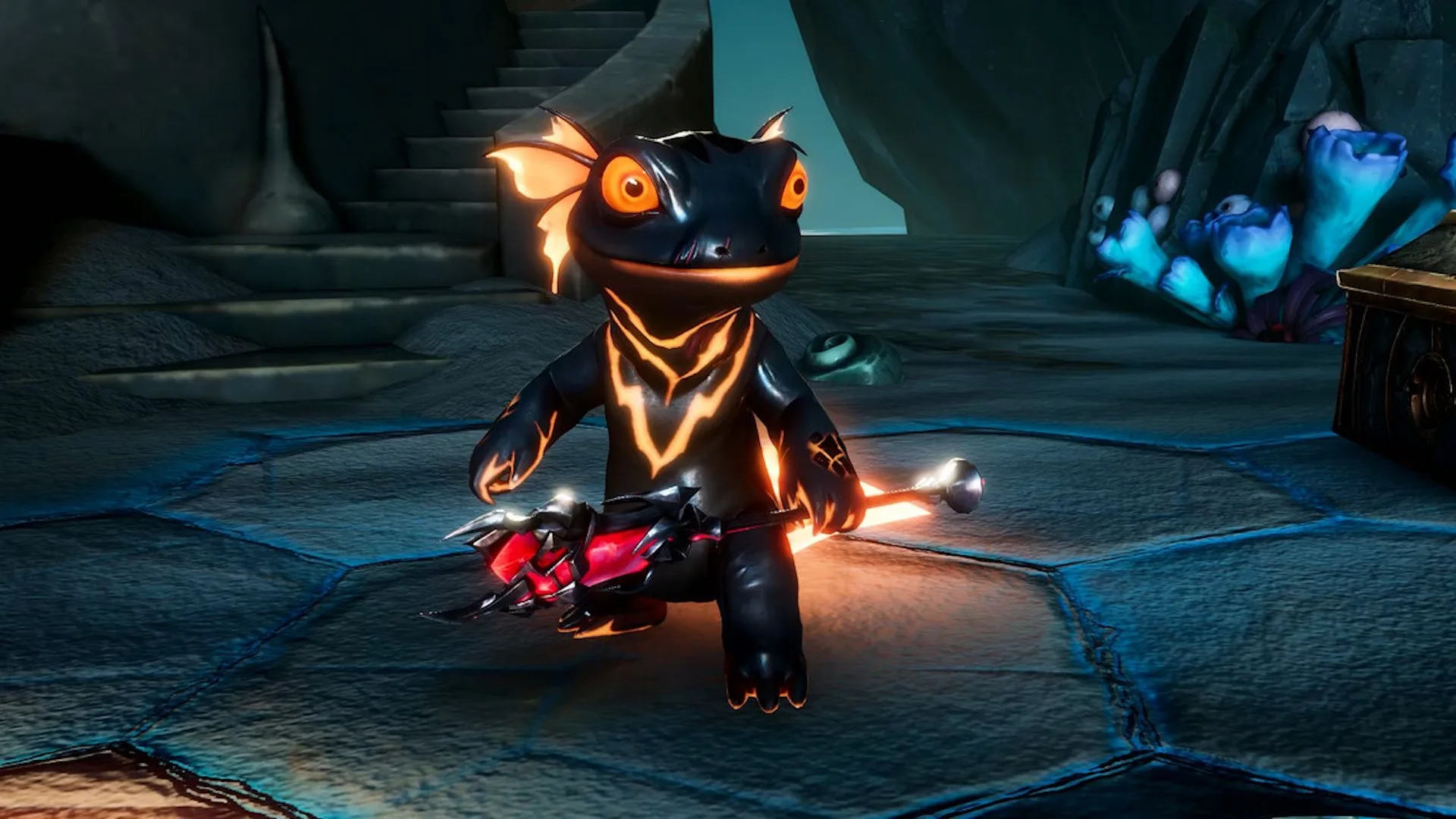
Enter Shadowstone, Dreamhaven’s flagship hope for 2026. Described as a “tactics roguelike” for 1-4 players, it is planned as a standalone experience set in the Sunderfolk universe. The core loop is a deliberate pivot: players would embark on run-based expeditions to escape randomized ruins, battling monsters and building a unique loadout each time through skill cards and equipment.
The most telling strategic decision, however, is in its controls. Unlike Sunderfolk, Shadowstone is expected to not support mobile phone controls at its early access launch. It is being built first and foremost for mouse and keyboard on PC. This signals a clear, targeted audience focus. Dreamhaven and Secret Door are leaning into the dedicated PC tactics and roguelike community, prioritizing streamlined, precise gameplay over the novel but potentially niche phone-controller premise of its predecessor. It’s a bet on genre conventions and core gameplay depth to find its audience.
Parallel Struggles: The Wildgate Launch and Moonshot's Path
The pressure on Shadowstone is amplified by the struggles at Dreamhaven’s other pillar, Moonshot Games. The studio launched its sci-fi shooter Wildgate on the Epic Games Store in early January 2026. The launch failed to achieve the financial sustainability needed, leading directly to the early 2026 layoffs at the studio.
Moonshot now plans a content update for Wildgate in Q1 2026, aiming to add features like a progression system to salvage the project. This creates a parallel, high-stakes narrative within Dreamhaven: both studios are in a cycle of launching, learning, and iterating. But where Secret Door is pivoting to a new genre within a known world, Moonshot is fighting to correct course for its first major release. The struggles at Moonshot significantly increase the company-wide pressure on Shadowstone to succeed, transforming it from a studio project into Dreamhaven's primary lifeline for stability.
The 2026 Crucible: Can Shadowstone Define Dreamhaven's Future?
All these threads converge on Shadowstone. The game must accomplish what Sunderfolk initially could not—capture a sizable, engaged audience. It also needs to help stabilize Dreamhaven’s financial outlook and offset the challenges at Moonshot. The chosen formula—refining and expanding a known IP via the popular roguelike/tactics hybrid genre—is a calculated one.
The genre is proven, with titles like Darkest Dungeon and Into the Breach demonstrating a passionate core audience. A PC-focused launch avoids control-scheme friction. By using the Sunderfolk universe, Secret Door leverages established art, lore, and design work, allowing deeper investment in the new run-based systems. The question is whether this focused iteration can generate the breakout moment that has so far eluded the publisher.
Dreamhaven stands at a crossroads, caught between its storied pedigree and the relentless commercial realities of modern game development. Shadowstone is not a shot in the dark; it is a clear, focused bet. It represents a studio learning from its past, leveraging a known world, and targeting a proven genre with streamlined execution. The updates for Sunderfolk and Wildgate will be important bellwethers, but the early access launch of Shadowstone in 2026 will be the defining test. The early access launch of Shadowstone won't just be a game release; it will be a verdict on whether Dreamhaven's strategy of pragmatic iteration can survive its idealistic beginnings.
Tags: Dreamhaven, Mike Morhaime, Shadowstone, Sunderfolk, Indie Game Development