Call of Duty: Black Ops 2 Is Still a Chart-Topper in 2026: Why a 2012 Classic Outperforms Modern Warfare
In 2012, Call of Duty: Black Ops 2 shipped a near-future campaign set in the year 2025, complete with drone warfare, cyber attacks, and a menacing AI villain named Raul Menendez. The real 2025 came...

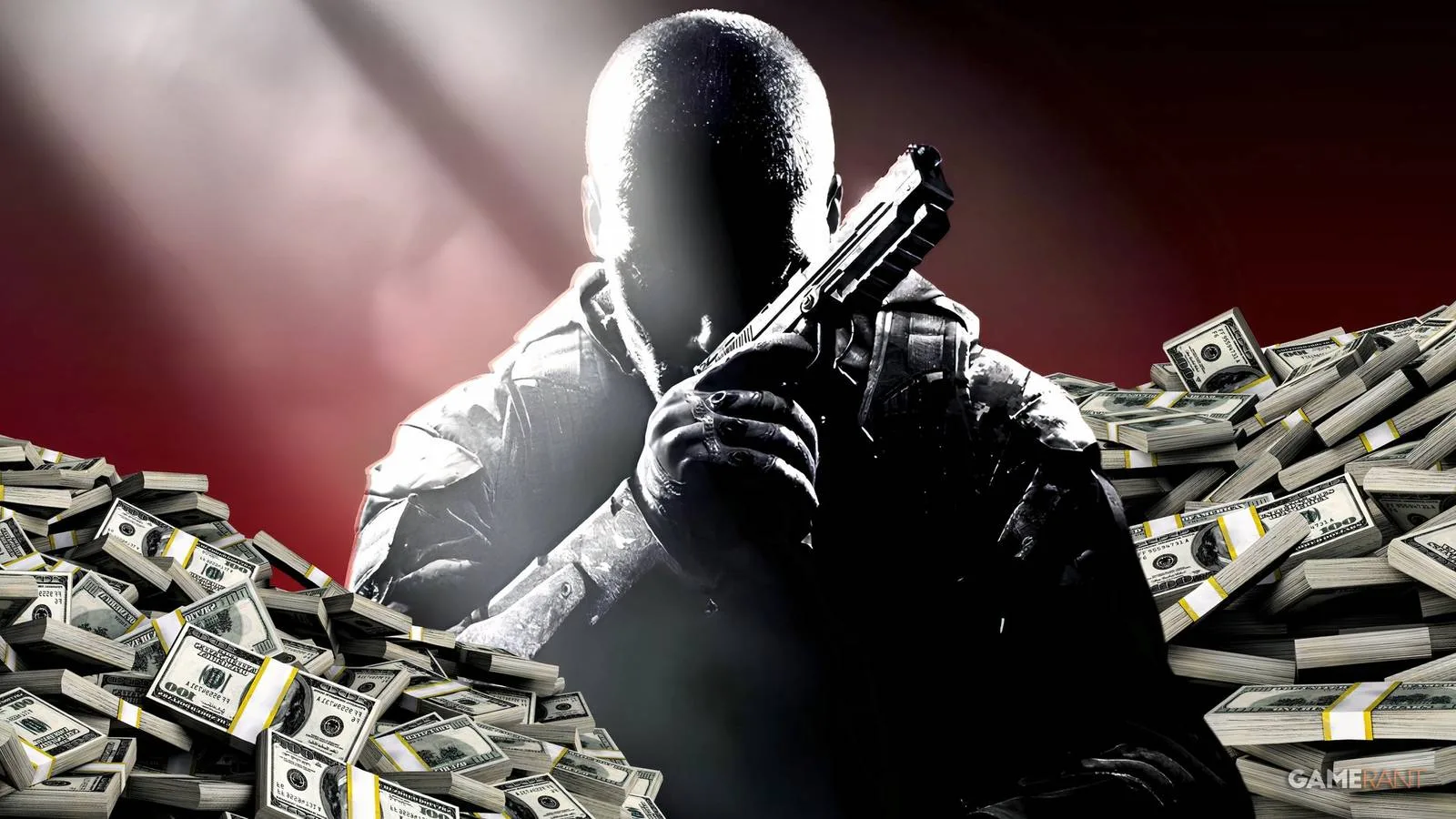
In 2012, Call of Duty: Black Ops 2 shipped a near-future campaign set in the year 2025, complete with drone warfare, cyber attacks, and a menacing AI villain named Raul Menendez. The real 2025 came and went without the promised global drone revolution, but something stranger happened: Black Ops 2 refused to die. Now, in 2026, a game built for the PlayStation 3 and Xbox 360 is sitting comfortably among the best-selling video games of the year, rubbing shoulders with and, in some months, outright beating the latest $70 shooters from the same publisher.
How did a 14-year-old title designed for two generations ago become the comeback story of the current console cycle? The answer has less to do with nostalgia and everything to do with what the modern Call of Duty franchise has lost along the way.
The Numbers: Decoding a 2026 Sales Phenomenon
According to mid-year tracking data from Circana, Black Ops 2 has accumulated roughly 1.3 million digital and physical sales in the United States alone since January 2026, placing it in the top five paid games overall. The list is the usual suspect assortment: the annual Call of Duty entry, a new open-world RPG, and the latest live-service misfire. But in Europe, market research firm GSD reports a similar pattern, with Black Ops 2 consistently out-charting the current premium shooter across several major storefronts. On digital platforms like the PlayStation Store and Microsoft Store, the 2012 title has repeatedly beaten the newest Call of Duty release, an anomaly that store-level analysts describe as one of the most unusual sales stories of the generation.
To put that in context, this year's flagship entry, Call of Duty: Black Ops 7, the franchise's third consecutive Black Ops installment, reportedly sold an estimated 4 million units in its launch window. But in March 2026, a month with no major new releases, Black Ops 2 outsold it by a three-to-one margin on Xbox alone, according to Microsoft's monthly best-seller list as tracked by industry journalists. Crucially, those numbers include modern platform downloads. This is not a story of dusty disc copies being unearthed from garage sales. The vast majority of those 1.3 million units are digital purchases on Xbox Series X/S, PlayStation 5, and PC.
Why now? The spike correlates with two events: the game's addition to Xbox Game Pass in late 2025, and a viral social media trend in which creators revisited the title's 2025 campaign setting, drawing comparisons to real-world drone technology and cyberwarfare headlines. The result was a sustained second life for a game that never truly went away.
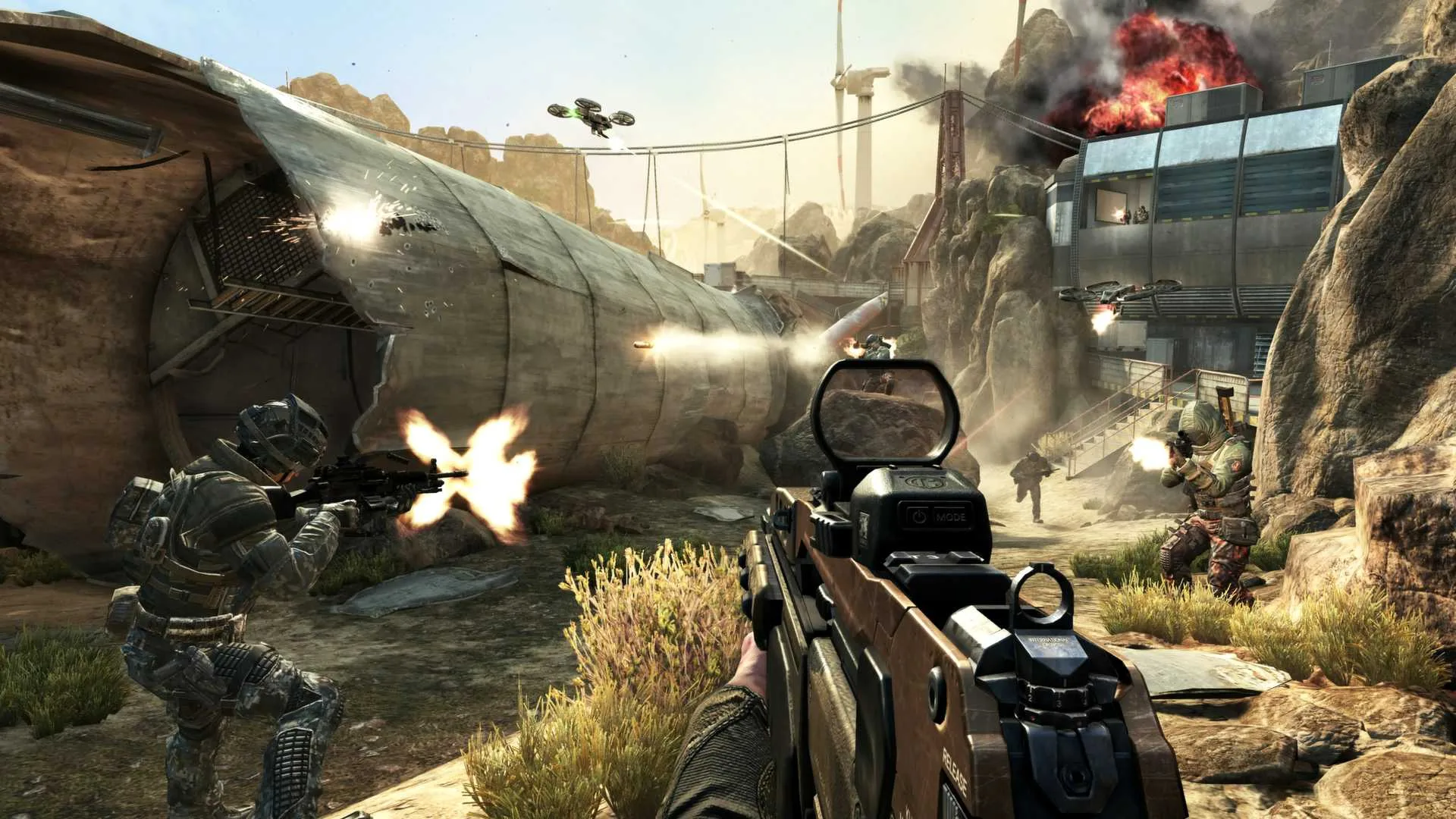
The Nostalgia Factor and the "Golden Era" Renaissance
Player sentiment has long held Black Ops 2 as the peak of the franchise. The "Pick 10" create-a-class system offered a balance of flexibility and restraint that modern loadouts have abandoned, while its scorestreak distribution rewarded map control without devolving into the streak-stacking chaos of later entries. Those design decisions still resonate in 2026, particularly among players who have grown weary of the annual cycle of seasonal content.
Fatigue with modern Call of Duty is well documented. Skill-based matchmaking remains a friction point in community forums, battle passes demand constant engagement to justify their price, and the movement system has drifted toward a parkour-heavy meta that some long-time players find punishing rather than liberating. Black Ops 2 offers none of that: no battle pass, no seasonal reset, no forced cross-play against players on other platforms. It is a complete, self-contained package that values player skill over progression curves.
That old-school appeal has fueled a thriving ecosystem of community events. Private lobbies organized through Discord servers regularly fill up with hundreds of players, and content creators have built entire channels around resurrecting 2012-era gameplay. Nostalgia tours are a dependable content genre in 2026, but Black Ops 2's revival feels less like a ten-year retrospective and more like a genuine grassroots movement. The campaign's near-future setting adds another layer: with real-world 2026 now resembling the game's original timeline, players are revisiting it to measure how prescient the fiction was, a curiosity that the game's own marketing never anticipated.
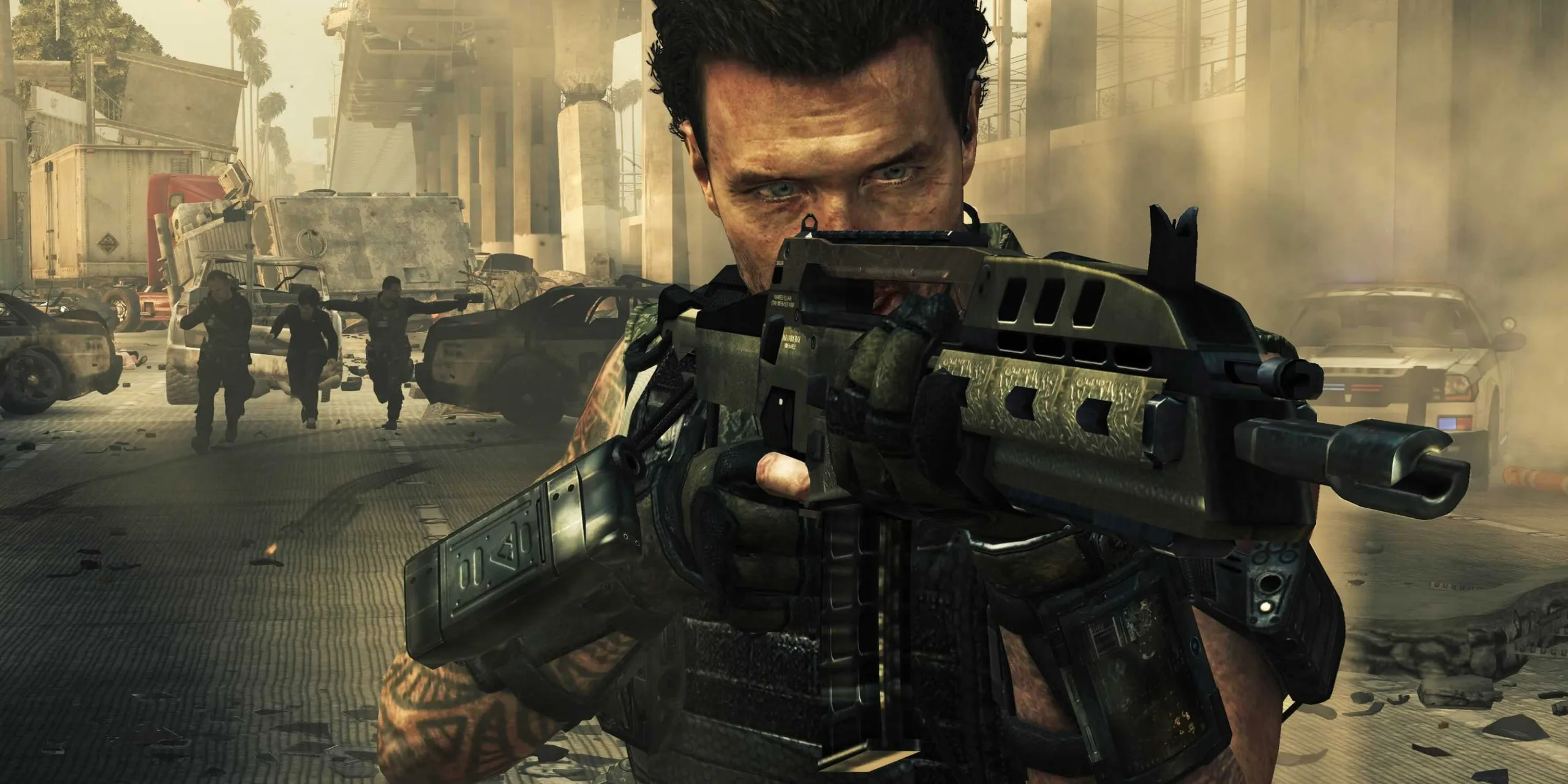
Accessibility and Availability, Why 2026 Is the Perfect Time to Buy
Black Ops 2's longevity is also a story of platform support. On Xbox Series X/S, the title has been playable via backward compatibility for years, with enhanced frame rates and resolution on modern hardware. Sony, meanwhile, has made the game available for purchase on the PlayStation Store for the current generation, and a PC version remains widely accessible through standard digital distribution channels. None of this requires a remaster or a special collection; it is simply the original game running on contemporary systems.
The decision to add Black Ops 2 to Xbox Game Pass in late 2025 significantly expanded its reach. The subscription service introduced the title to an entire generation of players who were not old enough to have experienced the game's original launch cycle. Suddenly, a 14-year-old shooter was appearing in the recommended playlists of millions of subscribers, many of whom had never logged a single hour in a pre-SBMM Call of Duty lobby. The result was a predictable spike in both engagement and direct purchases from players who wanted to own the game outright.
Price is another unspoken factor. At $20 on digital storefronts, Black Ops 2 is an easy impulse buy, particularly when weighed against a $70 new release that comes with a battle pass and a retail-priced season pass waiting in the shopping cart. The value proposition of a complete game, with a satisfying campaign and a multiplayer suite that does not demand ongoing expenditures, is compelling even in an era of live-service abundance. As for server stability, the multiplayer remains populated with active lobbies across all three platforms in 2026, a fact that surprised even the game's most loyal fans. The infrastructure that Activision once planned to decommission has effectively become a permanent community hotspot.
What This Means for Activision and the Future of Call of Duty
For Activision, the Black Ops 2 phenomenon is a double-edged sword. On one hand, a legacy title cannibalizing sales of the current premium entry might seem like a direct threat to the franchise's annual revenue stream. On the other, the sheer durability of the game proves that the Call of Duty brand retains enormous value to consumers, even in its oldest form. The company's likely response will be an acceleration of remaster and remake projects, with Black Ops 2 as an obvious candidate for a full treatment. Rumors of a "Classic COD" subscription tier have circulated for years, and this sales data gives Activision both a business case and a marketing narrative.
The economic signal extends beyond Call of Duty. Black Ops 2 joining the ranks of other enduring titles like Minecraft, Skyrim, and GTA V demonstrates that a well-made game can remain a top seller without a steady drip of new content. That is a troubling thought for publishers whose business models rely on perpetual live-service engagement, but it is a welcome one for players. The sales numbers suggest that "convenient access to a beloved classic" is a viable business model in 2026's market, and that the industry's relentless push toward monetized churn may be fighting a larger current of consumer preference.
Black Ops 2's 2026 success should be read as a wake-up call for the AAA industry. Players are not demanding more complex systems, more battle passes, or more seasonal content. They are asking for functional, fun, and finished games, products that deliver a complete experience on day one and respect the player's time thereafter. The 14-year-old shooter is not selling because of nostalgia alone; it is selling because it offers something that the modern market has systematically undervalued: a solid, self-contained foundation.
If the demand persists, a remaster of Black Ops 2 is almost inevitable. But the deeper lesson for publishers is that staying power comes from design philosophy, not update schedules. The real 2025 did not look like the game's fiction, and 2026 may look nothing like the latest Call of Duty's vision of the future. Yet one of those visions still commands the charts, and the other is playing catch-up with its own history. That contrast is the most telling number in this entire story.