Bungie's Marathon Anti-Cheat Battle: How the Studio is Fighting to Save Its Extraction Shooter
The tension in the Cryo Archive is palpable. Your squad is one successful extraction away from a top-ten leaderboard placement, the loot secured, the exit in sight. Then, without warning, bullets rip...


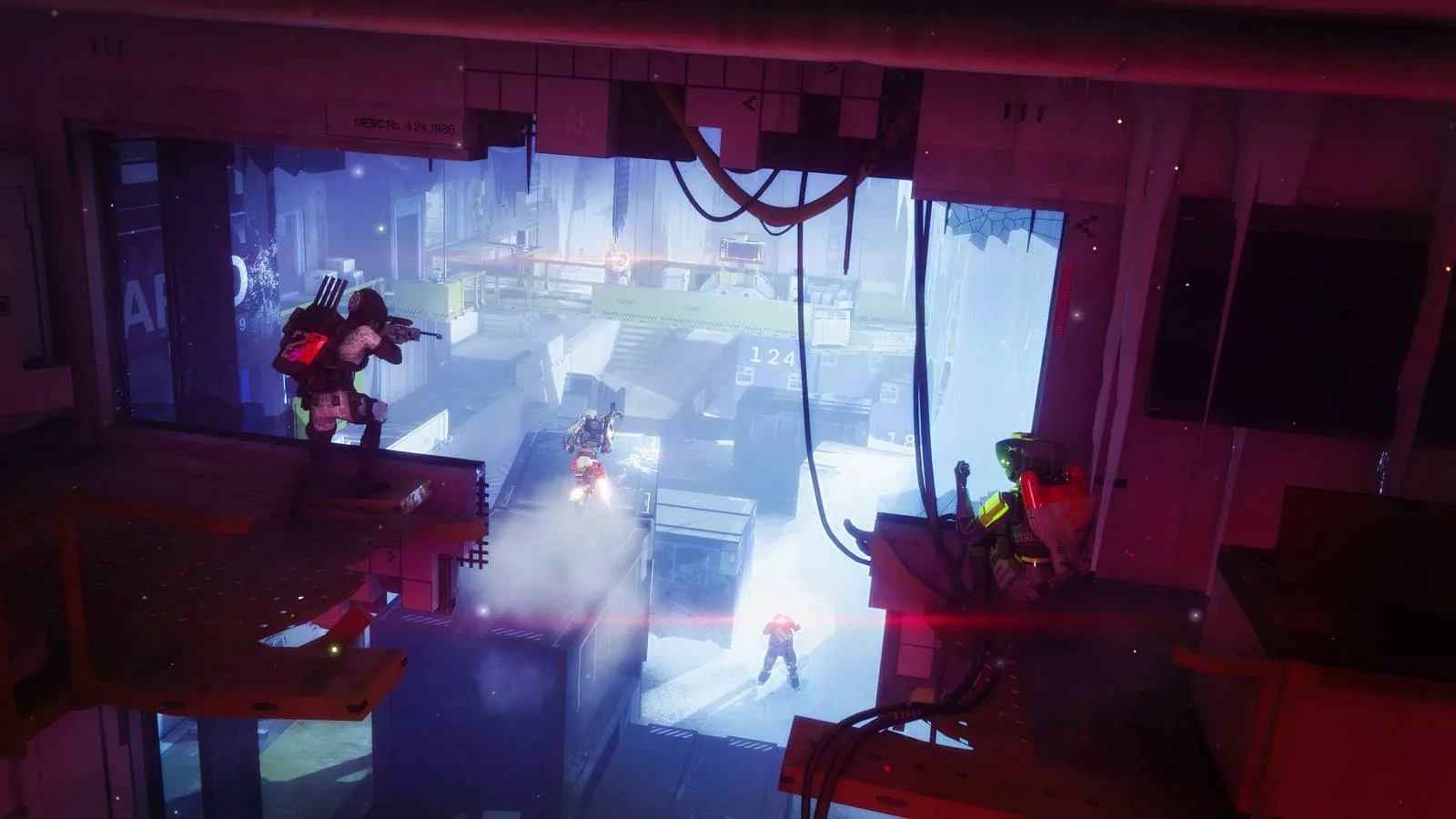
The tension in the Cryo Archive is palpable. Your squad is one successful extraction away from a top-ten leaderboard placement, the loot secured, the exit in sight. Then, without warning, bullets rip through solid walls and terrain. Your screen fades to black. Another perfect run, obliterated not by a superior tactical play, but by a cheater with a paid tool. This scenario, repeated across high-stakes Marathon matches, has become the defining crisis of Bungie’s ambitious extraction shooter.
[Editor's Note: This article uses a hypothetical post-launch scenario for illustrative purposes.]
Following its launch, Marathon arrived with the pedigree of its legendary developer and the intense scrutiny of a genre known for its brutal, high-risk gameplay. Yet, within a critical window, a surge of sophisticated cheating has threatened to undermine its core promise. From wallhacks and aimbots to rampant stream sniping, the integrity of the competition is under siege. Bungie has now publicly declared war, issuing a detailed "zero-tolerance" statement and blueprint for action. This article analyzes that response, the community’s fraught reaction, the technical measures being deployed, and what this multifaceted fight means for the survival of Marathon in a genre where trust is the most valuable currency.
The Crisis Point: Cheating's Toll on Marathon's Ecosystem
Community trackers and widespread player reports suggest a sharp and concerning decline in Marathon's player engagement following its launch period. Observers on platforms like SteamDB have estimated concurrent player counts falling by over half, a velocity of decline that points to issues beyond typical post-launch attrition. The community, particularly streamers and elite players who form the public face of the competitive scene, has been vocal about the deteriorating experience. The primary complaints are specific and damaging: sophisticated paid cheat tools enabling players to see and shoot through solid geometry, and a perceived slow ban cycle that allows offenders to ruin multiple matches before facing consequences.
This crisis is not unfolding in a vacuum. The extraction shooter genre has a tragic precedent. In 2022, The Cycle: Frontier launched with significant promise, only to be consumed by a rampant cheating epidemic. The developer’s struggle to contain it eroded player trust catastrophically and fast, contributing heavily to the game’s eventual shutdown. For Marathon, the ghost of The Cycle looms large, framing the current cheating wave not as a mere nuisance, but as an existential threat to the entire project. When the core loop is built on risk, loss, and hard-earned victory, the presence of cheaters doesn’t just frustrate—it invalidates the fundamental experience.
Bungie's Zero-Tolerance Blueprint: Public Stance and Immediate Actions
Recognizing the severity of the situation, Bungie’s Marathon team broke from standard patch notes to issue a direct, dedicated statement. The reaffirmation of a "zero-tolerance policy" with permanent bans for confirmed cheaters was a crucial first step in managing community trust—a public commitment that the problem is seen and deemed unacceptable.
More importantly, the statement outlined a technical philosophy. Bungie described its anti-cheat not as a static shield but as a continuous cycle of "monitoring, improving, and responding." In practice, this means a significant expansion of telemetry and detection methods. The studio confirmed that a first wave of live anti-cheat improvements is already active in the game, with more sophisticated detection layers scheduled to roll out over the coming weeks. This approach acknowledges the arms-race nature of game security: cheat developers adapt, and anti-cheat must evolve even faster.

Building Better Tools: Reporting, Moderation, and Streamer Protection
Beyond backend detection, Bungie’s plan addresses critical community-facing failures. A major point of player frustration has been the original reporting system, widely criticized as cumbersome and opaque. Bungie’s blueprint promises streamlined reporting, both in-game and via the website, making it easier to flag suspected cheaters and report harassment.
Two proposed features aim to rebuild transparency and trust. The studio is developing a system for in-game mail to notify players when their reports lead to action, closing the feedback loop and demonstrating that reports matter. Furthermore, they are investing in long-term solutions for specific pain points. To combat "stream sniping"—where players use a streamer’s live broadcast to gain an unfair in-game advantage—Bungie is proposing an option to hide player account names in-game. Combined with promised investments in better voice chat moderation tools, these measures show a targeted approach to protecting the community ecosystem, not just the game’s code.
The Long Haul: Community Sentiment and Marathon's Future
Despite this structured response, the hill Bungie must climb is steep. Analysis of community sentiment on forums and social media reveals a consensus of deep frustration regarding security issues. The prevailing mood in player hubs is overwhelmingly negative, reflecting a skepticism where promises are met with doubt born of repeated in-game encounters with cheaters. Players have heard "zero-tolerance" before; they now need to see consistent, visible results.
This frustration stands in contrast to Bungie’s stated commitment to support Marathon "for the long haul," noting their relatively high pace of updates since launch. The central question now is whether this combination of accelerated technical countermeasures and improved community tools can reverse the narrative. Can it halt the player decline and, more importantly, re-secure the game as a fair competitive space capable of supporting esports aspirations?
The battle for Marathon’s future is being waged on three fronts: the technical war against cheat software, the communicative war to restore player trust, and the community war to create a self-policing, healthy environment. Bungie’s recent statement provides a clearer and more comprehensive blueprint than many studios offer in similar crises. It acknowledges specific failures, proposes concrete fixes, and outlines a philosophy of continuous adaptation. The path forward remains challenging, haunted by the ghosts of failed extraction shooters. Ultimately, Marathon’s survival hinges not merely on banning cheaters, but on convincingly restoring player faith that the Cryo Archive—and every other map—is a arena of skill, not a playground for exploits. For a studio with Bungie's legacy, winning this fight is about more than saving Marathon; it's a defining test of its ability to nurture and protect a modern live-service community.