Borderlands 4's Switch 2 Port Paused: Why Performance Issues and Post-Launch Focus Led to a "Difficult Decision"
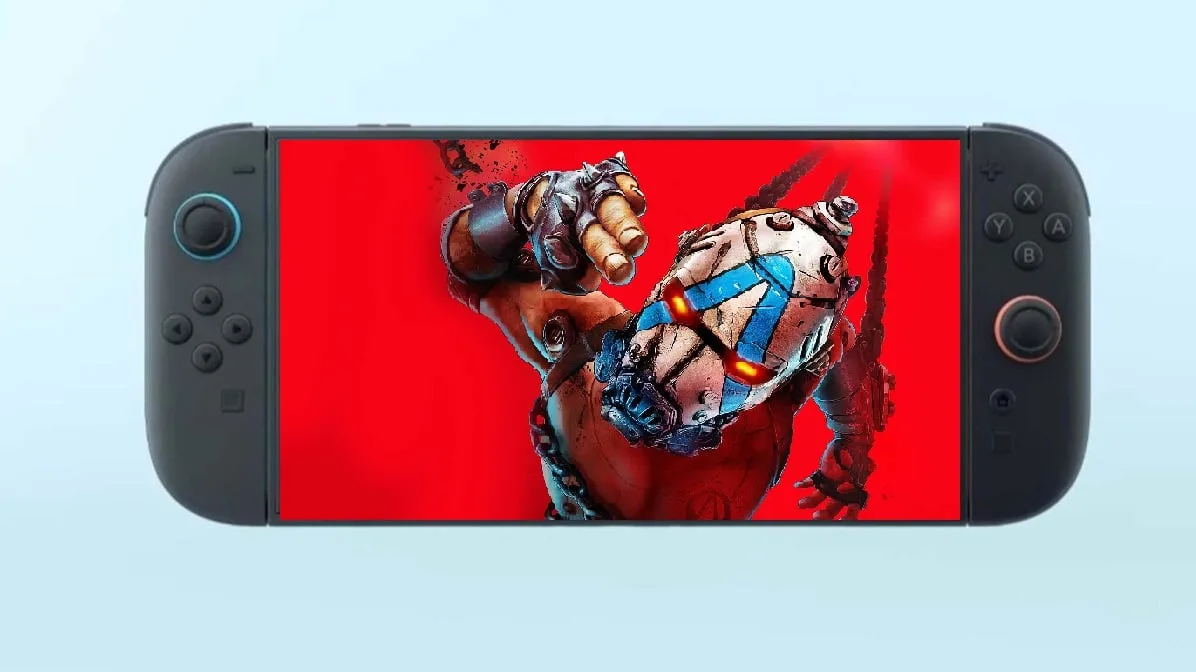
The Official Announcement: A Strategic Pause, Not a Cancellation The fate of the Nintendo Switch 2 version was formally sealed in corporate speak on February 3, 2026 . As part of its quarterly...

The Official Announcement: A Strategic Pause, Not a Cancellation
The fate of the Nintendo Switch 2 version was formally sealed in corporate speak on February 3, 2026. As part of its quarterly earnings disclosures, Take-Two Interactive announced the official pause of development for the port, subsequently removing it from the company’s official roadmap of upcoming titles. The language was careful but telling. A company spokesperson described the move as a “difficult decision,” clarifying that resources would be reallocated to focus on “post-launch content and optimizations for other platforms.”
This pause is the latest chapter in a timeline of setbacks. The port was originally targeted for a Fall 2025 release, coinciding roughly with the main launch. It was first delayed in September 2025—the same month Borderlands 4 hit other platforms—officially for additional “polish.” The shift from a delay to an indefinite pause signals a fundamental reassessment of the project’s viability. Take-Two was careful to note this is not a blanket withdrawal from Nintendo’s ecosystem, explicitly stating continued collaboration on other titles like PGA Tour 2K25 and WWE 2K26 for Switch 2. This specificity underscores that the challenges are unique to Borderlands 4 and its particular technical demands.
Behind the Pause: The Performance Problems That Plagued the Port
The “difficult decision” becomes markedly less surprising when examining the technical state of the Switch 2 build shown to the public. Hands-on demos, particularly those at PAX West in Summer 2025, revealed a version of the game struggling to function. Journalists and attendees reported consistent, severe issues: sub-30fps framerates, severe input delay, and a low render resolution even when the console was docked.
For a franchise built on fast-paced, reflex-driven combat and screen-filling particle effects from countless guns and abilities, such performance is fundamentally at odds with the core experience. Input lag alone can render a shooter unplayable, while a choppy framerate undermines the smooth, chaotic flow that defines Borderlands. The root causes likely stem from the game’s vast, open environments, complex visual effects, and the inherent challenge of optimizing a cutting-edge, large-scale AAA title for new hybrid hardware whose full capabilities and architectural nuances developers are still mastering. The PAX West demo served as a public proof-of-concept that the port, in its current state, could not meet the minimum quality threshold expected of a major release.
The Roadmap Gap: Switch 2 Left Behind as Other Platforms Forge Ahead
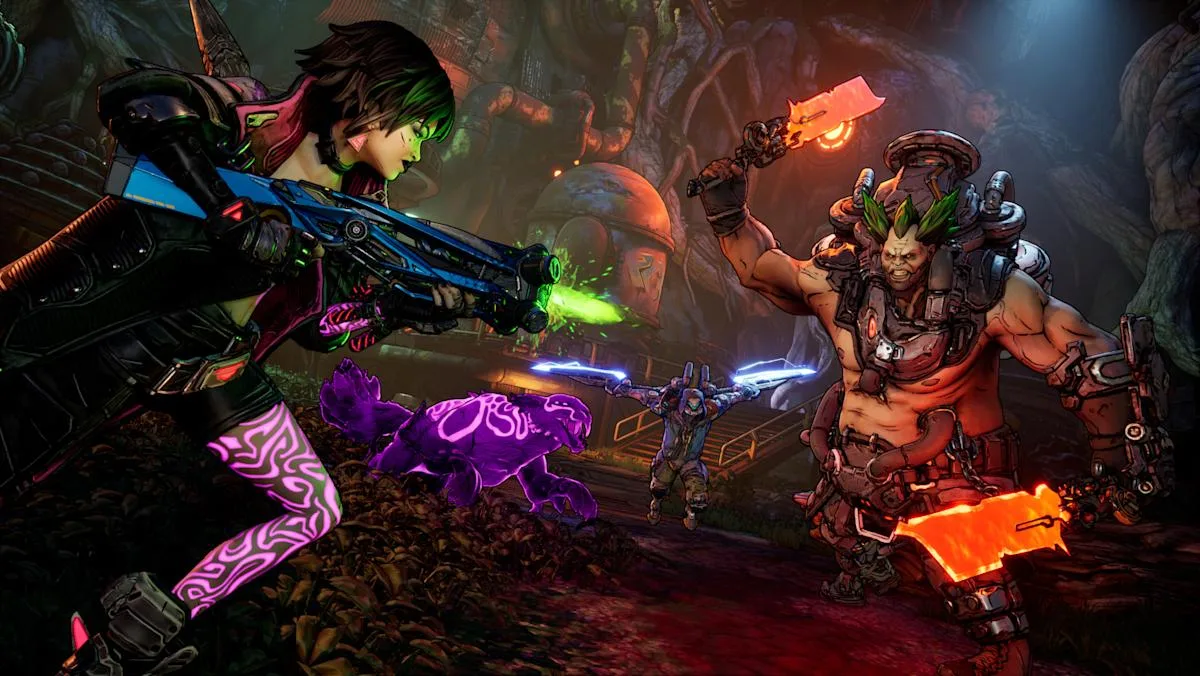
The pause creates a diverging reality for Borderlands 4 players. On one track, the game launched successfully on PC, PlayStation, and Xbox on September 12, 2025, and is thriving as a live-service entity. Gearbox has committed to a substantial 2026 content roadmap for these platforms, including:
- a new gear rarity,
- a raised level cap,
- paid story DLC,
- a photo mode, and
- additional endgame content like Bounty Packs, a raid boss, and a takedown mission.
This pipeline is already active; the first DLC, “How Rush Saved Mercenary Day,” debuted on November 20, 2025.
This ongoing development cycle includes not just major expansions but also continuous tuning and adjustment based on player feedback—a process the Switch 2 version is entirely absent from. A prime example is the community’s criticism of the “Loot Capsule” side activity, a tedious escort mission that disables vehicles and fast travel for underwhelming rewards. Gearbox has acknowledged such design missteps and is iterating on them through updates. For the paused Switch 2 port, this means the challenge is twofold: it must not only solve its foundational performance issues but also eventually bridge an ever-widening content and design gap that grows with each seasonal update on other systems.
On the other track, the Switch 2 version exists in a state of limbo. Not only is the base game unavailable, but the content and design gap widens with every patch and DLC drop. This practical reality defines the “pause.” Even if a technically sound port of the September 2025 base game were achieved later, it would launch as a legacy product, far behind the evolved game experience elsewhere. The business logic of diverting resources to support this ever-growing divide appears increasingly untenable for Take-Two and Gearbox.
The pause of Borderlands 4 for Switch 2 is a definitive case study where technical ambition met the hard limits of performance and business priority. The severe framerate and input issues demonstrated that the port could not deliver a competent Borderlands experience, while the thriving live-service ecosystem on other platforms presented a clearer, more immediate return on investment. While not officially canceled, the version’s future is shrouded in deep uncertainty. Each new DLC and system update for the main game builds a higher wall of technical and content complexity for the paused port to eventually scale. The evidence suggests the pause is likely permanent, as the business case for a catch-up port diminishes exponentially with time. This situation stands as a stark cautionary tale for the challenges of aligning ambitious, graphically intensive live-service titles with the hardware cycles and performance profiles of hybrid consoles.