Beyond the Controversy: Why Night Trap Deserves Recognition in Gaming History
The Perfect Storm: Birth of a Controversy Night Trap ’s journey to infamy was a perfect storm of odd origins and bad timing. The game was born from repurposed footage filmed in 1987 for a canceled...

The Perfect Storm: Birth of a Controversy
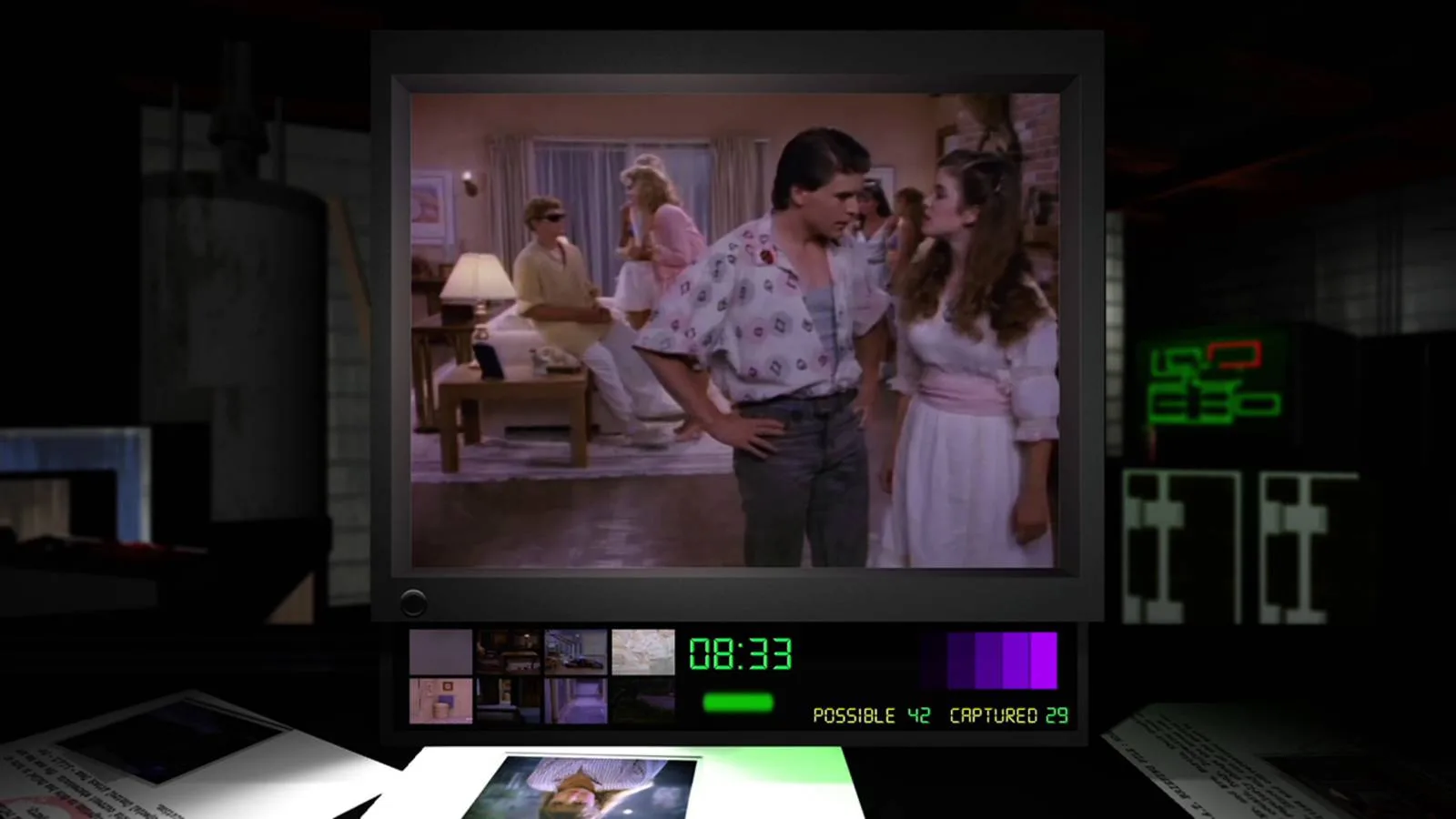
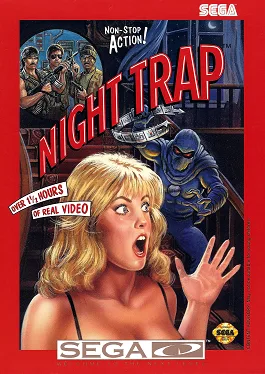
Night Trap’s journey to infamy was a perfect storm of odd origins and bad timing. The game was born from repurposed footage filmed in 1987 for a canceled Hasbro console. Rescued by producer Tom Zito and his new company Digital Pictures, it was retooled into a campy Sega CD launch title in late 1992. The premise was pure late-night cable schlock: players monitored a live surveillance feed in a house where a group of teenage girls, including actress Dana Plato of Diff'rent Strokes fame, were under threat from the Augers. The gameplay involved watching static camera angles and activating traps at the right moment to capture the intruders and save the characters. Initial reviews were mixed, with critics acknowledging its B-movie charm but panning its shallow, passive gameplay.
This relative obscurity vanished in late 1993. Night Trap, alongside Mortal Kombat and Doom, became a principal target in the U.S. Senate hearings on video game violence. Politicians and concerned parents latched onto selective, out-of-context clips, branding the game as promoting "gratuitous violence and sexual aggression against women." The fallout was swift and severe. In December 1993, major retailers Toys "R" Us and Kay-Bee Toys pulled the game from shelves. By January 1994, Sega had ceased production entirely. The most damning public condemnation came from Howard Lincoln, then-chairman of Nintendo of America, who testified, "Night Trap will never appear on a Nintendo system" and that it "simply has no place in our society." The game was effectively sentenced to death by outrage.
The Unintended Legacy: Catalyst for Change
Paradoxically, Night Trap’s vilification yielded one of the most positive, structural changes in video game history. The 1993 hearings made it painfully clear that the industry lacked a unified, self-regulated content rating system. The controversy surrounding Night Trap and its peers was a direct and powerful catalyst for the creation of the Entertainment Software Rating Board (ESRB) in 1994. The game’s true "violence," it could be argued, was against an industry adolescence, forcing it to mature and adopt standards that would protect creative freedom within a responsible framework.
The creative fallout was just as fascinating. Rob Fulop, one of Night Trap’s key designers, was so affected by the backlash that he channeled his energy into creating its polar opposite: the peaceful, nurturing pet simulator Dogz in 1995, which spawned an entire genre. Furthermore, the game’s notoriety inspired satirical, meta-commentary within the medium itself, most notably in the 1996 FMV horror game Harvester, which weaponized the era’s moral panic as a core part of its narrative. Night Trap’s legacy, therefore, is inextricably linked to the birth of industry self-regulation and unexpected creative branches.

Hidden Gameplay Innovation: Narrative Beyond Failure
To dismiss Night Trap as merely bad FMV is to miss its subtle but significant interactive innovation. Beneath the cheesy acting and pixelated video was a novel approach to player consequence. Unlike most games of its era—where failing a key task meant a "Game Over" screen and a restart—Night Trap allowed its story to continue even if players failed to save a character. A victim would be carried off by the Augers, and the narrative would adapt and proceed. This system created branching consequences and led to multiple possible endings, placing the narrative outcome directly in the player’s hands, however clumsily.
This idea—that failing forward could drive the story—was a lightbulb moment for interactive narrative, even if the wires were a bit exposed. While not the first game to feature branching outcomes, its application of a continuous, failure-driven narrative in a mainstream, live-action title was a bold and influential step for 1992. We can draw a direct conceptual line from Night Trap’s surveillance-based, consequence-driven structure to later genre-defining titles. The "butterfly effect" narratives of Until Dawn, the weighty character-driven choices in Telltale’s The Walking Dead, and the complex branching plots of Detroit: Become Human all owe a debt to this early, crude experiment in interactive storytelling. It was a forerunner, proving that a game’s story could be malleable based on player performance.
Re-Evaluation and Ironic Resurrection
For decades, Night Trap languished on "worst games of all time" lists, a symbol of the FMV genre’s limitations. Its gameplay had aged poorly, and its cultural moment had passed. Yet, its historical significance and genuine B-movie charm fostered a persistent cult appreciation. This led to the ultimate irony: the 2017 release of a Night Trap: 25th Anniversary Edition for modern platforms.
The crowning moment of this redemption arc came in 2018, when the game received a port to the Nintendo Switch. The very platform it was once banned from by Nintendo’s own chairman now hosted it digitally. The modern re-release carries a "T for Teen" rating from the ESRB—the institution its controversy helped create—for blood, suggestive themes, and violence. The normalization was complete. The monster had been not just let in the door but given a respectful nod.
Night Trap was not a good game by conventional standards, but it was a profoundly important one. Its legacy is dual-faceted: it stands as the infamous scapegoat whose public trial led to the establishment of the ESRB, securing a future for diverse game content. Simultaneously, it serves as a hidden wellspring of interactive narrative ideas, planting seeds that far more sophisticated games would later cultivate. The Augers may have been defeated on screen, but Night Trap’s real, lasting victory was its irreversible impact on the industry landscape far beyond the television screen. It deserves credit not for what it was, but for what it forced gaming to become.
Tags: Video Game History, FMV Games, Gaming Controversy, ESRB, Retro Gaming