Beyond Pokémon and Magic: How New Trading Card Games Are Reshaping a Billion-Dollar Hobby
The New TCG Gold Rush: More Than Just Games The evidence of this boom is not anecdotal; it's quantifiable. The entire collectibles market is reorienting itself around trading card games. Professional...

The New TCG Gold Rush: More Than Just Games
The evidence of this boom is not anecdotal; it's quantifiable. The entire collectibles market is reorienting itself around trading card games. Professional Sports Authenticators (PSA), the industry's premier grading company, reports a landmark shift: TCGs now constitute the bulk of its business, surpassing its original foundation in sports cards. This signals a fundamental change in what collectors view as valuable assets.
Beyond grading houses, the "retail rush" phenomenon illustrates the new fervor. Popular TCG products are treated as speculative investments, often cleared from shelves at major retailers like Costco within hours of restocking. This behavior underscores the dual identity of modern TCGs. They are, first and foremost, games with mechanics, strategies, and communities. But they have also become key components in a diversified collector's portfolio, where sealed boxes and high-grade singles are seen as alternative assets. The hobby is no longer just a pastime; it's a market.
Case Study: The Meteoric Rise of the One Piece Card Game
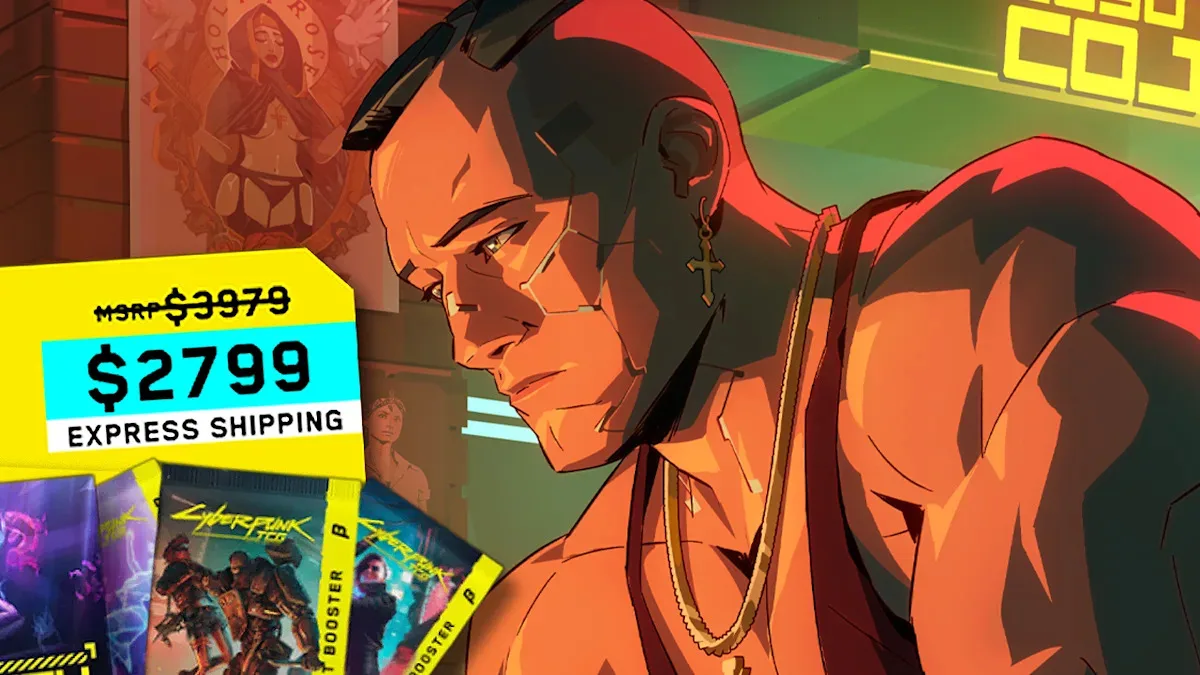
No title better exemplifies this new model of success than the One Piece Card Game. Launched in 2022, its trajectory is nothing short of meteoric. Data from PSA paints a stunning picture: from grading approximately 10,000 One Piece cards in all of 2022, submissions spiked by around 700% in the following year, with the company grading a staggering 144,000 cards in February 2024 alone.
This explosive growth is a masterclass in media synergy. The catalyst was the massively successful Netflix live-action adaptation, which introduced Eiichiro Oda's epic saga to a vast new audience while reigniting nostalgia in long-time fans. The TCG became a tangible entry point into that world. Bandai Namco amplified this by executing high-profile cross-promotions that blurred the lines between entertainment, sports, and collecting. The pinnacle example: a promotional card featuring Monkey D. Luffy, distributed by the Los Angeles Dodgers in July 2023, which sold on eBay for $15,000 just months later. One Piece has provided the blueprint for launching a TCG into the collector stratosphere by leveraging a powerful, multi-platform franchise.
Established Titans Adapt: Magic & Yu-Gi-Oh!'s New Strategies
Faced with this vibrant new competition, the industry's pillars are not standing still. They are adapting with sophisticated strategies that leverage their immense legacy.
Magic: The Gathering
is pursuing a dual path. It continues to cultivate its high-end collector market, where iconic pieces of its history command astronomical prices—a pristine "Black Lotus" card sold for $3 million in April 2024. Simultaneously, Wizards of the Coast is driving renewal through premium collectible lines and blockbuster cross-franchise collaborations. Bringing Marvel superheroes and Final Fantasy icons into the Magic multiverse attracts new players and creates instant, high-demand collectibles.
Yu-Gi-Oh!
meanwhile, continues to draw immense power from deep-seated nostalgia. Its market is sustained by players and collectors who grew up with the anime, a connection Konami actively cultivates through reprint sets, anniversary products, and a supported global competitive circuit. This emotional connection can create unique, story-driven value, exemplified by the sale of the one-of-a-kind "Tyler the Great Warrior" card. Created for a Make-A-Wish recipient in 2005, it sold for approximately $300,000 in 2023, proving that narrative and rarity can transcend pure gameplay utility.
These titans contrast with One Piece by leveraging decades of legacy or external IP, whereas the latter's growth is organically tied to its own, continuously expanding media empire. Their strategies represent a defensive adaptation to a new era, proving that established power can pivot, but often from a different playbook than the media-native newcomers.
The Crowdfunded Juggernaut: Inside the Cyberpunk TCG's Record Launch
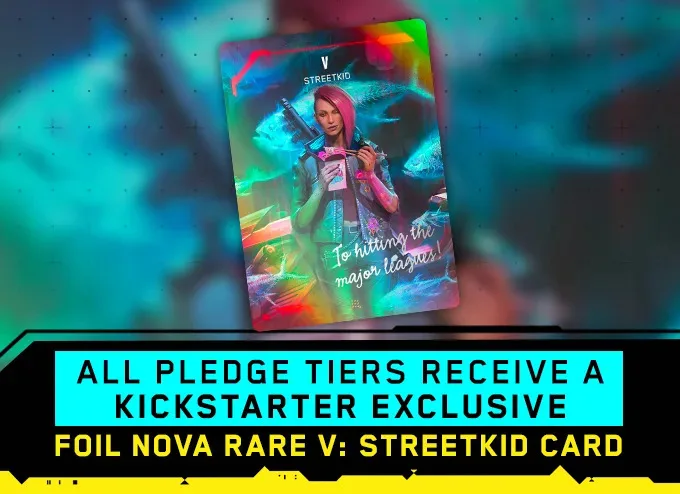
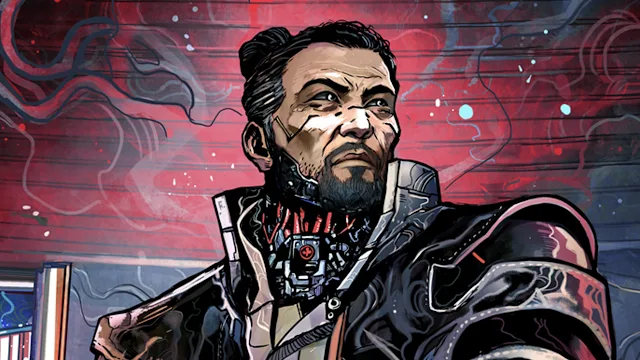
If One Piece shows the power of media, the Cyberpunk Trading Card Game demonstrates the raw, pre-emptive demand that can exist for a well-conceived concept. In March 2024, this officially licensed CD Projekt Red product, developed by WeirdCo, launched a Kickstarter that redefined expectations.
It raised over $15 million, claiming the records for "Most Funded Kickstarter TCG" and "Highest-Funded Game Campaign" on the platform. This success was built on a foundation of authenticity and premium appeal. It features original artwork from artists who worked on Cyberpunk 2077, boasts partnerships with major accessory brands like Dragon Shield and Displate, and smartly links its mechanics to the franchise's roots. Its core dice-driven gameplay is a direct homage to the original Cyberpunk 2020 tabletop RPG. With an anticipated delivery to backers in late 2024, the campaign proved that a passionate community is willing to invest heavily in a premium product years before it hits the table.
Navigating the Boom: Drivers, Challenges, and the Road Ahead
The forces propelling this expansion are clear: potent nostalgia, undeniable investment potential, new media adaptations that introduce IPs to wider audiences, and strategic cross-franchise collaborations that create instant collector events.
However, the path forward is fraught with significant challenges. The market is becoming increasingly saturated. The critical, often difficult, task for any new entrant is building a dedicated player base to sustain a healthy secondary market and organized play scene—a hurdle noted in the struggles of other major IP-based games like Star Wars Unlimited. Furthermore, competition for physical and mental shelf space, both in local game stores and in consumers' minds, is fiercer than ever.
This crystallizes the pivotal question facing record-breaking newcomers like the Cyberpunk TCG: Can they transition from a crowdfunding phenomenon to a sustainable, living game? Raising millions from backers is a monumental achievement, but the true test begins at launch, requiring consistent support, engaging mechanics, and a vibrant community to foster long-term value.
The TCG arena's renaissance is defined by its thrilling diversity. Success is now a multi-faceted endeavor, requiring mastery of game design, community building, and collector economics. The record-breaking enthusiasm for games like One Piece and Cyberpunk proves the audience is larger, more passionate, and more discerning than ever. The future of this billion-dollar hobby will be written by those who can authentically bridge the gap between a compelling game to play and a meaningful asset to hold—a dual demand that is now the defining challenge and opportunity for every card on the shelf.