Bethesda Responds to DLSS 5 Backlash: Why Artist Control and Player Choice Are Central to the Debate
The DLSS 5 Demo and the Instant Backlash NVIDIA’s announcement positioned DLSS 5 as a monumental leap. The technical claim was profound: an AI model capable of analyzing a game’s rendering data to...

The DLSS 5 Demo and the Instant Backlash
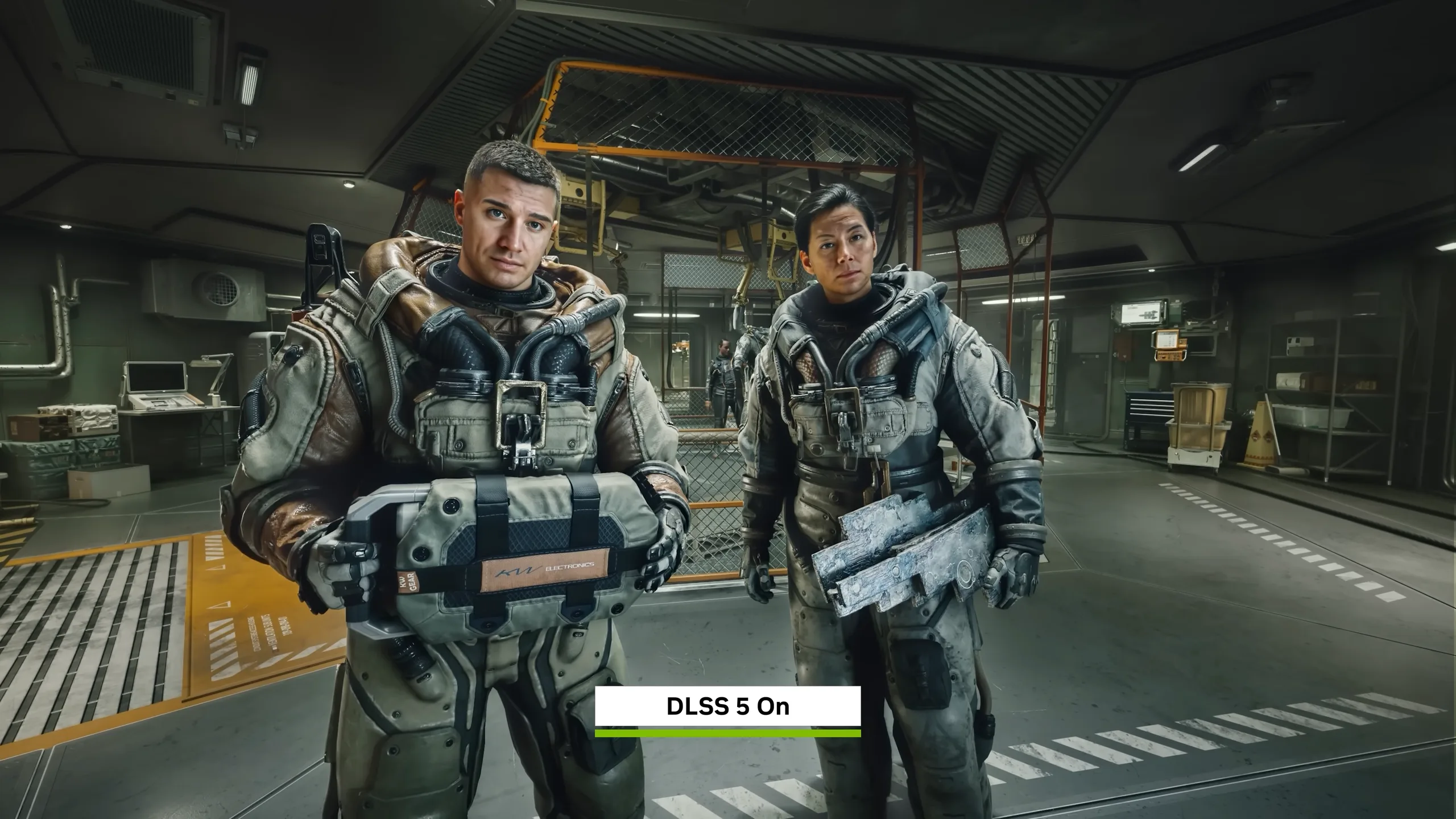
NVIDIA’s announcement positioned DLSS 5 as a monumental leap. The technical claim was profound: an AI model capable of analyzing a game’s rendering data to generate enhanced imagery with superior performance. Demos showcased the technology applied to several high-profile titles, including Capcom’s Resident Evil Requiem and Assassin's Creed Shadows. However, it was the Bethesda footage that ignited the most intense criticism.
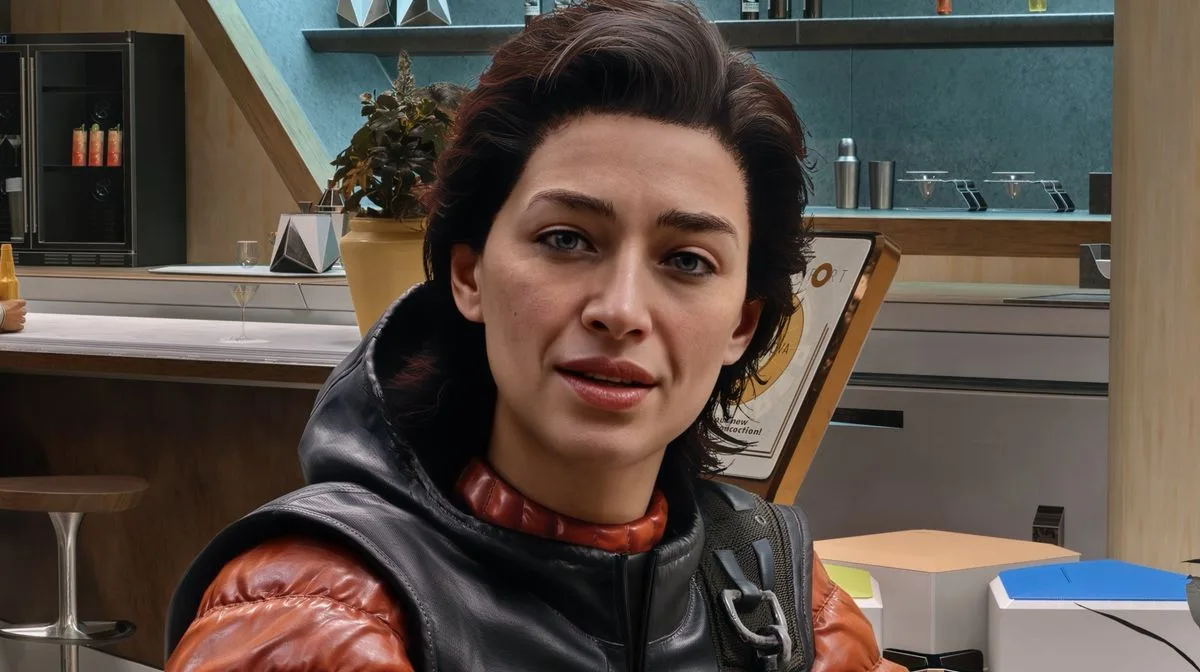
The community’s reaction was swift and merciless. Side-by-side comparisons of Starfield and Oblivion Remastered with DLSS 5 enabled circulated widely, with players decrying the results. The enhanced visuals were labeled an unwanted "Instagram-like filter" that smeared detail and created a synthetic, plastic sheen. Character faces in particular were cited for falling into the "uncanny valley," their natural textures seemingly softened into an artificial homogeneity. The term "AI slop"—a pejorative born from broader concerns over generative AI art—was applied liberally, reflecting a fear that this technology would degrade artistic craftsmanship rather than enhance it. The core anxiety was clear: this was not seen as a tool for artists, but an automated process threatening to homogenize visuals across the industry, prioritizing algorithmic "enhancement" over human-authored intent.
Bethesda's Damage Control: The "Artist Control" Promise
Facing a growing PR crisis, Bethesda Game Studios issued a direct response on March 16 via an official X post. The statement was a clear exercise in damage control, seeking to reassure both its player base and its creative teams. It clarified that the showcased demo was a "very early look" and that their art teams would be "further adjusting the lighting and final effect."
The statement’s power lay in two explicit guarantees. First, the company asserted that any final implementation "will all be under our artists’ control." This was a direct rebuttal to the perception of an autonomous, uncontrollable filter. Second, they confirmed the feature would be "totally optional for players," positioning it as an accessibility or performance toggle rather than a mandatory visual overhaul.
This cautious, player-centric messaging stood in stark contrast to previously released marketing. Just days before, a clip published by NVIDIA featured Bethesda director Todd Howard praising DLSS 5's effect on Starfield as "amazing." The dichotomy highlighted a significant gap between the curated, internal excitement of a tech demo and the messy reality of its public reception. Industry analysts suggest the controversial demos likely showcased DLSS 5 with its settings at a default or aggressive preset, not the finely-tuned application a final game would use—a crucial distinction lost in the initial fury. Bethesda’s statement served to bridge that gap, pivoting from unqualified praise to a framework of responsible implementation.

NVIDIA's Technical Rebuttal and the "Not a Filter" Defense
In the wake of the backlash, NVIDIA also moved to clarify its technology’s capabilities. The company pushed back against the "filter" characterization, explaining that DLSS 5 is a comprehensive Software Development Kit (SDK) for developers. It provides "full, detailed artistic control" through granular settings, positioning the technology as a new set of brushes for artists rather than a replacement for the canvas. The technical argument was that DLSS 5 does not simply apply a blanket effect; it works in concert with a game’s own rendering data.
This defense framed DLSS 5 as a powerful toolset, akin to advanced post-processing effects available in modern game engines. The implication was that poor results in a demo were a matter of tuning, not an inherent flaw. However, this technical nuance faced an uphill battle against the powerful first impression. For a community already skeptical of AI's role in creative fields, the initial visuals had cemented a narrative of degradation. The question became whether detailed SDK controls could ever alleviate the fear of an "AI override" on a game's visual identity.
A Microcosm of a Larger War: AI in Game Development
The DLSS 5 controversy is not an isolated incident. It is a vivid, high-profile skirmish in the industry-wide debate over the integration of artificial intelligence into game development. On one side are visions of unprecedented efficiency and capability. Epic Games CEO Tim Sweeney has predicted AI will be involved in nearly all future game production. On the other side are deep concerns over artistic integrity and labor. Former Rockstar writer Dan Houser has been openly critical of generative AI's potential in creative spaces, and the "insult to artists" criticism leveled at DLSS 5 echoes broader ethical concerns.
The backlash transcended mere image quality debates; it tapped into existential fears about devaluing human artistry and accelerating homogenization. When players decried the visuals as "slop," they were reacting to a perceived loss of authorship—the idea that the unique, hand-crafted look of a game like Oblivion could be algorithmically altered into something generic. This conflict pits the relentless march of technological progress against the foundational principles of creative control and artistic signature.
The DLSS 5 saga encapsulates a critical juncture for gaming graphics. It showcases the tension between the seductive promise of a revolutionary performance and fidelity tool and the non-negotiable importance of artistic integrity and player agency. Bethesda’s response, emphasizing control and choice, outlines the only viable path forward for such powerful technologies. It acknowledges that the authority must remain with the developers who craft the worlds and the players who inhabit them. The ultimate test for DLSS 5 will not be its technical specifications on a slide, but its real-world implementation. When The Elder Scrolls 4: Oblivion Remastered finally launches, the true measure of success will be whether its use of AI upscaling feels like a faithful enhancement guided by artists or an intrusive layer imposed by an algorithm. The resolution of this conflict won't just define DLSS 5's legacy; it will establish the fundamental rules of engagement between artificial intelligence and human creativity for the next decade of game development.