Beast of Reincarnation: How Game Freak Balances Loneliness with Warmth in a Post-Apocalyptic World
From the social, collection-driven joy of Pokémon to a contemplative action RPG about loneliness, Game Freak’s Beast of Reincarnation is a deliberate and fascinating pivot. This project, the studio's...

From the social, collection-driven joy of Pokémon to a contemplative action RPG about loneliness, Game Freak’s Beast of Reincarnation is a deliberate and fascinating pivot. This project, the studio's next major release, is not merely a new game but a profound emotional experiment. It poses a core question seemingly antithetical to the developer's legacy: How do you craft a compelling experience around the theme of “loneliness” without it becoming a bleak ordeal? The answer lies in a carefully engineered duality where desolation is consistently met with warmth, and isolation is countered by unwavering reliability.
The Core Duality: Loneliness vs. Warmth & Reliability
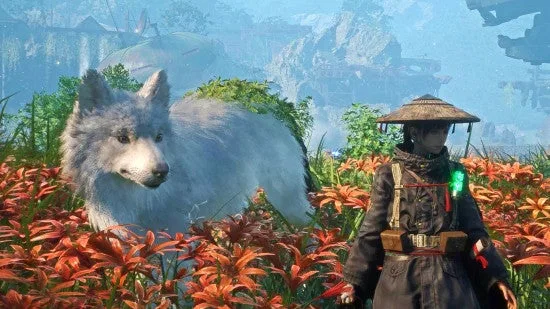
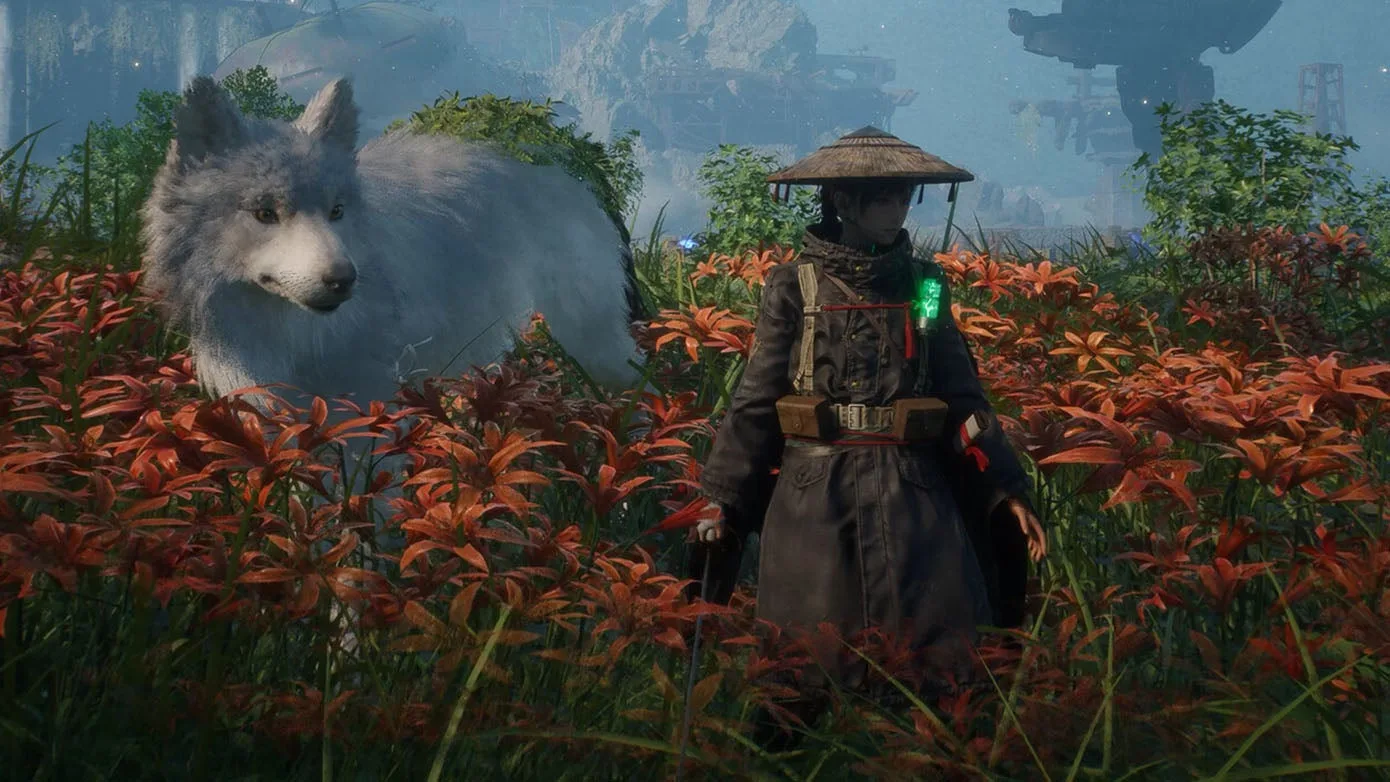
Beast of Reincarnation establishes its primary mood from the outset. Players step into the shoes of Emma the Sealer in a post-apocalyptic Japan, a landscape utterly transformed. The ruins of civilization are now choked by aggressive, corrupting plant life and haunted by hostile entities known as Malefacts. This is a world defined by absence and silence, a canvas painted with the stark theme of loneliness.
Yet, as the developers have stated in interviews, this is only one side of the coin. They intentionally counterbalance “loneliness” with the themes of “warmth” and “reliability.” This duality forms the game’s philosophical core. The studio has explained that the experience is designed to have players “explore what it means to be human” within this tension. The loneliness of the world serves as a backdrop against which moments of connection, safety, and partnership can shine with greater intensity. It’s a narrative structure that doesn’t deny despair but actively builds mechanisms to combat it, transforming a potentially sad premise into a journey about finding meaning.
Your Silent Partner: The Role of Koo the Dog
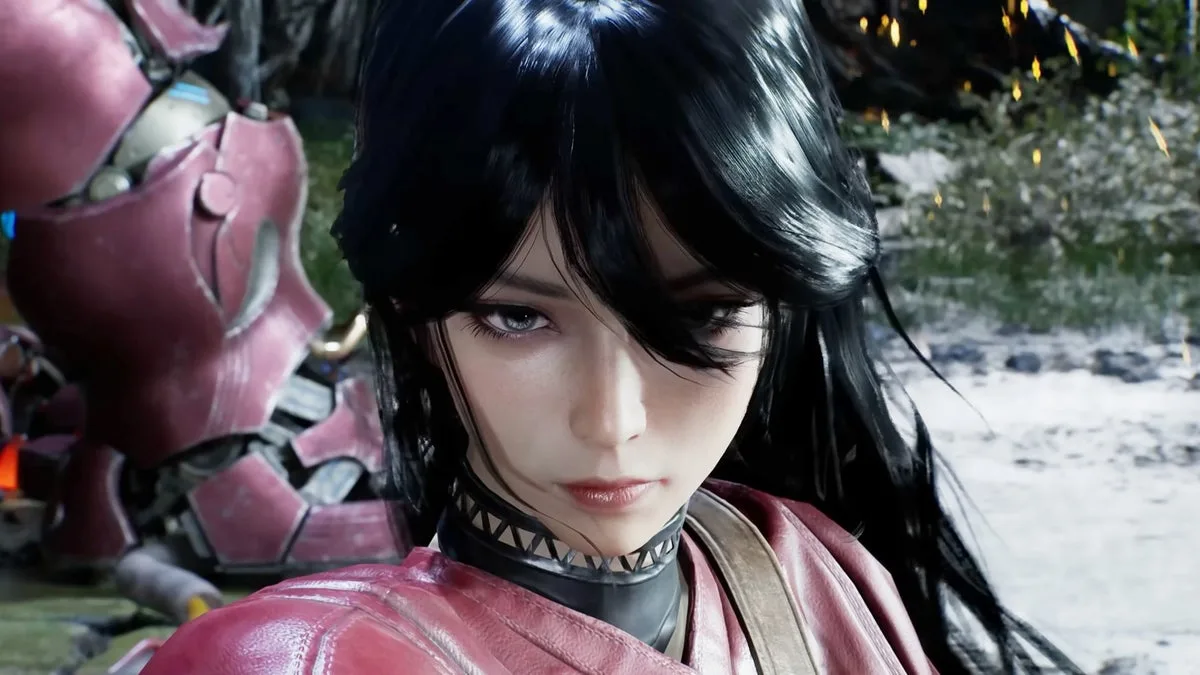
The most direct solution to the game’s central theme comes on four legs. Emma is accompanied by her loyal dog companion, Koo. This choice is deeply intentional. The developers specifically chose a dog over a human or a chatty, AI-driven partner because of the intuitive, wordless bond it represents. A dog’s companionship is built on reliability—a presence that is constant, non-judgmental, and instinctive.
Koo is far more than a narrative mascot. He is a core gameplay pillar, designed to follow commands seamlessly and act as a true extension of the player’s will. His presence in the quiet, overwhelming world directly mitigates the inherent loneliness. He provides a living, breathing point of focus and care amidst the desolation. In a world where communication has broken down, the simple, reliable companionship of Koo becomes the primary source of the game’s promised “warmth,” proving that profound connection doesn’t always require words.
The Hybrid Combat System: A Bond Forged in Battle
The relationship between Emma and Koo is beautifully realized and mechanically enforced through the game’s innovative hybrid combat system. This isn’t a simple “master and pet” dynamic; it’s a sophisticated, interdependent partnership played out in real-time.
The player directly controls Emma in fluid, action-oriented combat. Simultaneously, a turn-based command menu allows you to direct Koo to execute powerful special abilities known as Bloom Arts. These commands can be activated at any time, briefly slowing the action to allow for strategic decision-making. The crucial link, however, is in how these abilities are powered. Bloom Arts are fueled by points earned exclusively when Emma successfully performs parries.
This mechanic physically embodies the game’s central themes. Emma’s defensive skill (her focus, her resilience) directly enables Koo’s offensive support. Her reliability in guarding creates the opportunity for his powerful strikes. It creates a tangible combat loop of trust: you protect, and your partner attacks. This isn’t just a combat system; it’s a continuous, interactive expression of the “warmth and reliability” bond. The better you work together, the more potent you become, turning every encounter into a testament to your partnership.
A Game Freak Passion Project: Origins and Philosophy
Beast of Reincarnation is a unique artifact within Game Freak’s portfolio, born from a specific initiative designed to foster creativity. As detailed in developer interviews, the project began six years ago as part of the studio’s internal Gear Project, a program encouraging developers to pitch original ideas. The vision of director Kota Furushima was selected for prototyping by none other than Satoshi Tajiri, the creator of Pokémon himself, signaling a deep, personal investment in exploring new creative territory.
The development structure reflects its status as a passionate, focused endeavor. A relatively small internal team at Game Freak maintains tight control over the creative vision, tackling key technical challenges and managing the project’s direction. This core team is supported by several dozen external development partners, allowing for a blend of intimate authorship and scaled production.
This approach stems from a distinct “feeling-first” design philosophy. Instead of starting with a genre or a mechanic, the team began with a desired emotional experience for the player. This led them to weave elements of traditional Japanese animistic beliefs into the fabric of the world, creating an environment that feels overwhelmingly alive and spiritually charged—even in its desolation. Even Emma’s design, with her plant-fused hair, serves this philosophy, conceived as a gameplay element to allow free, unencumbered movement during the dance of combat.
Beast of Reincarnation represents a bold and introspective venture for Game Freak. It demonstrates a studio using its mastery of game mechanics not just to facilitate play, but to articulate complex emotions. The loneliness of its post-apocalyptic Japan is not a void, but a space carefully filled by the warmth of a silent companion and the reliable rhythm of a symbiotic battle system. When it launches on August 4, 2025, it challenges players to find meaning not in overcoming desolation alone, but in mastering the quiet, powerful language of partnership.
Tags: Game Freak, Beast of Reincarnation, Action RPG, Video Game Analysis, Game Design