Battlefield 6's Fall from Grace: How Record Sales Led to Layoffs and a Franchise in Crisis
On October 10, 2025, the Battlefield franchise experienced a renaissance. Battlefield 6 launched to monumental success, selling a staggering 7 million copies in its first 72 hours. It dethroned Call...

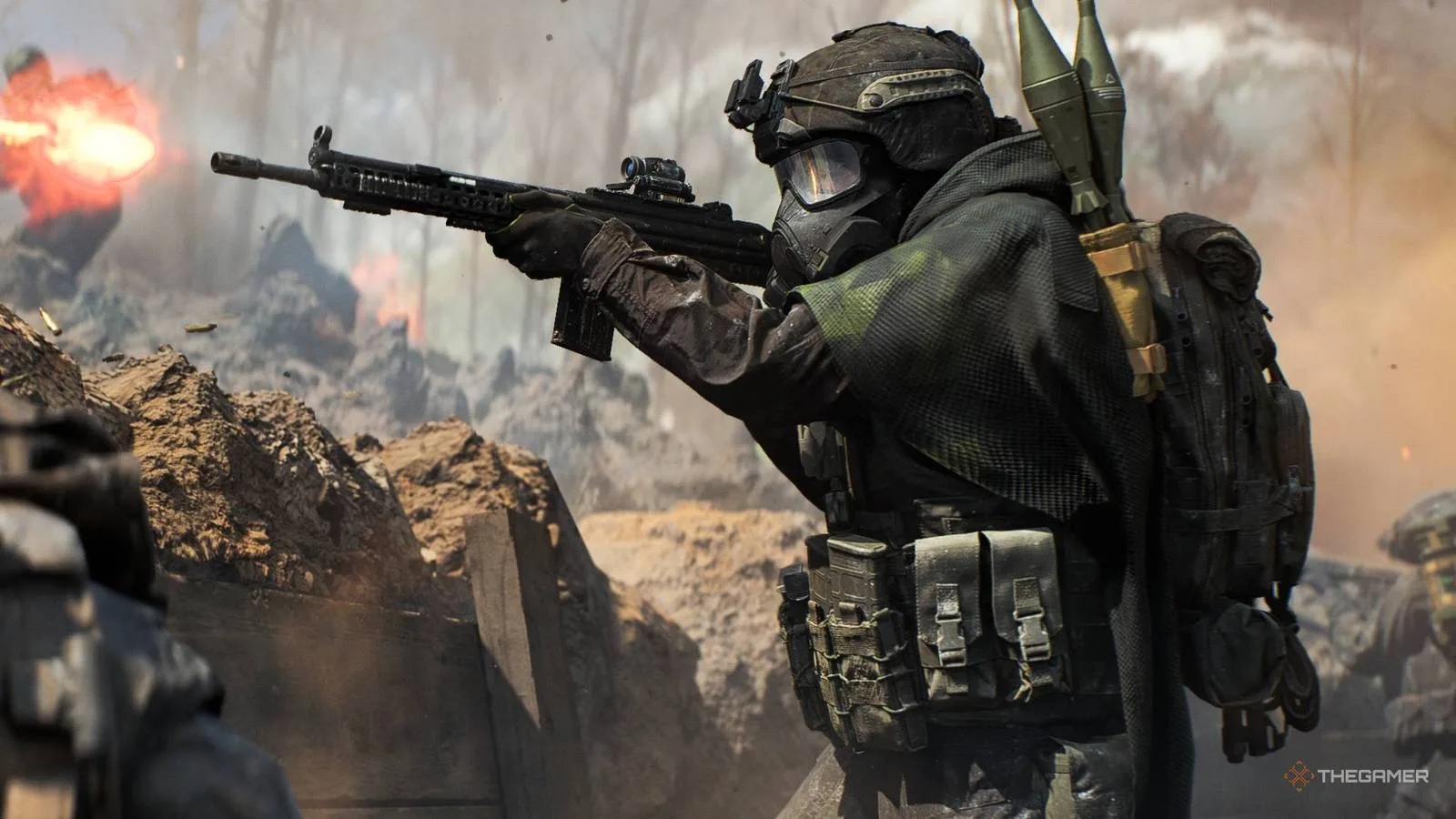
On October 10, 2025, the Battlefield franchise experienced a renaissance. Battlefield 6 launched to monumental success, selling a staggering 7 million copies in its first 72 hours. It dethroned Call of Duty to become the year's best-selling game in the U.S., hailed as a triumphant return to form for the iconic first-person shooter series. The future seemed limitless.
Five months later, on March 9, 2026, that narrative shattered. Electronic Arts announced a "realignment," laying off an unspecified number of employees across the core Battlefield studios: Criterion, DICE, Ripple Effect, and Motive. The paradox is stark: How does a record-breaking, commercially dominant game lead directly to studio layoffs and a franchise in crisis? The story of Battlefield 6 is a case study in how blockbuster launch sales are no longer a guarantee of long-term stability, where player trust and live-service execution have become the ultimate metrics for survival.
The High of Launch: A Record-Breaking Beginning
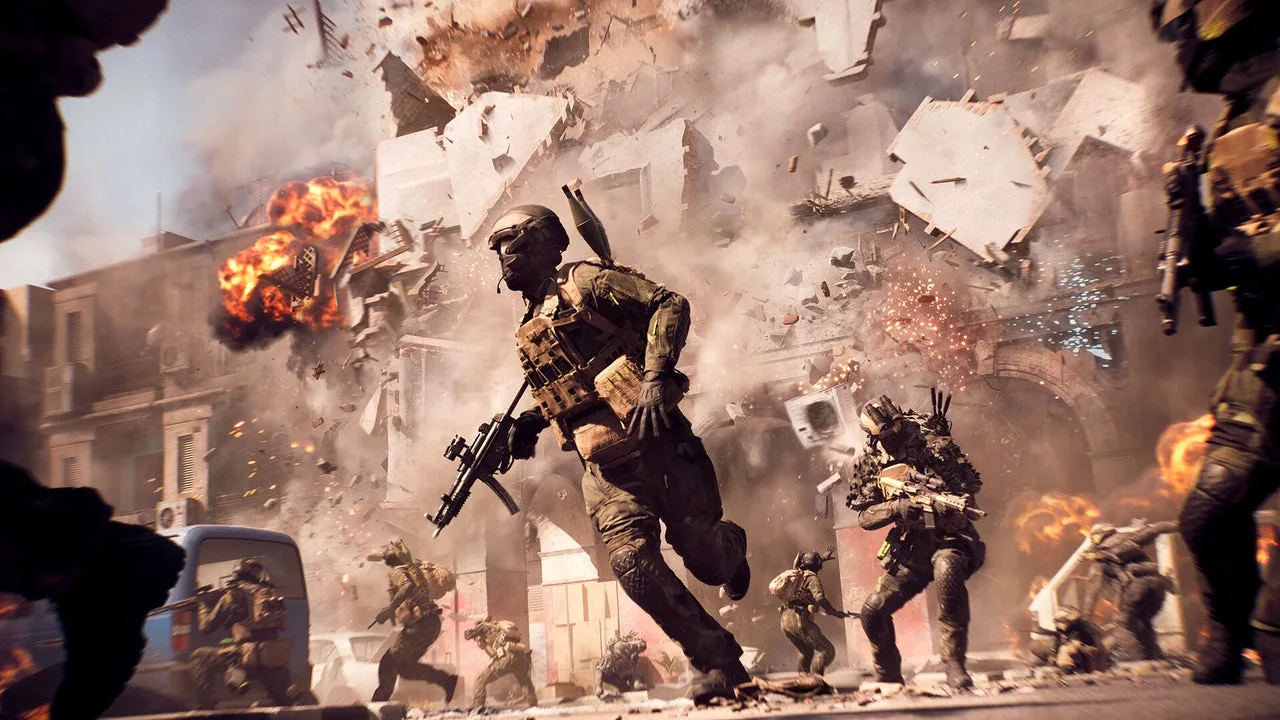
The launch of Battlefield 6 was a demonstration of commercial power. Surpassing 7 million copies sold in three days was a franchise record, a figure that resonated across the industry. Its performance was particularly significant for EA, as it decisively outperformed its historic rival, Call of Duty: Black Ops 7, in their critical opening-week showdown. Critics praised its return to large-scale, all-out warfare, and for a moment, it seemed the franchise had successfully navigated its post-Battlefield 2042 recovery. The player count reflected this initial euphoria, peaking at 747,440 concurrent players on Steam alone. This peak would become a benchmark, not of sustained success, but of a precipitous decline.
The Player Exodus: Diagnosing the Post-Launch Collapse
The descent from that peak was rapid and severe. By March 2026, the daily average of concurrent players on Steam had collapsed to approximately 65,000—a decline of roughly 90%. This was not a gradual drop-off but an exodus, driven by a confluence of player grievances.
The Monetization Backlash
Foremost was a growing backlash against the game's monetization strategy. Players criticized what they perceived as aggressive live-service practices. The controversy intensified with the introduction of AI-generated cosmetics. The use of generative AI for in-game items was viewed by the community as a cost-cutting measure that sacrificed artistic integrity, leading to widespread disillusionment.
The Content Drought
Compounding this was a significant content drought. Players expecting a steady stream of updates to fuel the live-service model instead faced fewer updates than anticipated and seasonal content widely described as lackluster. The roadmap for the crucial Season 2 update was delayed by a month, a move meant to address feedback but which ultimately extended a period of stagnation. When Season 2 finally arrived in February 2026, it prompted only a brief spike in players before numbers settled back to their new, low baseline.
The franchise's attempt to bolster its ecosystem with the free-to-play battle royale Redsec also faltered, with the mode languishing under 'Mostly Negative' recent reviews on Steam. On the storefront, user reviews for Battlefield 6 itself slid from "Mostly Positive" at launch to a damning "Mixed."
The Corporate Response: Layoffs and "Realignment"
The corporate reaction to this steep decline arrived in March. EA's announcement of layoffs across the Battlefield studio group was framed as a strategic "realignment" to better focus on "community priorities."
This dramatic erosion of the active player base—the lifeblood of any live-service title's long-term revenue—directly undermined the game's post-launch financial projections, creating the immediate pressure that likely precipitated the restructuring. The company was quick to assert that the Battlefield franchise remained a "major investment" for EA, a statement that contrasted sharply with the reality of severance packages.
The move occurred within a context of profound instability for EA's flagship shooter. The layoffs came just months after the passing of Vince Zampella, the revered franchise head seen as the architect of its potential turnaround. Furthermore, they unfolded against the backdrop of EA's pending $55 billion acquisition by a consortium led by the Saudi Arabian Public Investment Fund (PIF). While EA internally stated the job cuts were unrelated to the buyout, the timing created an atmosphere of uncertainty. The human cost of this "realignment" was felt across the four studios, even as EA confirmed all would remain open.
A Franchise at a Crossroads: What's Next for Battlefield?
Today, Battlefield stands at a precarious crossroads, caught in a strategic paradox. How does a company reconcile pledging a "major investment" in a franchise while simultaneously cutting the workforce responsible for building it? The trust of the core player community, already fractured by Battlefield 6's post-launch issues, is now further damaged by the perception that developer job security is expendable despite commercial success.
This situation reflects a distressing industry-wide trend. The Battlefield layoffs are not an isolated incident but part of a relentless wave of job cuts that has defined the mid-2020s gaming landscape. It underscores a harsh reality: even top-selling titles are not immune to the pressures of shareholder expectations and the volatile economics of live-service sustainability.
The future of the franchise is now shrouded in questions. It must navigate its next chapter under new corporate ownership, without its key visionary leader, and with a deeply skeptical player base. The path forward requires more than a technically proficient game; it demands a rebuilding of faith—a demonstration that lessons have been learned not just about content pipelines, but about valuing the people who make the games and the communities that sustain them.
The arc of Battlefield 6, from record-breaking peak to crisis-driven layoffs, is a definitive lesson for the modern industry. Launch sales are merely an opening move. Long-term survival is determined in the months that follow, through consistent quality, respectful player engagement, and sustainable monetization. The story highlights the human toll of these business calculations. The battle for Battlefield's soul has just begun, and its outcome will serve as a stark referendum on whether blockbuster franchises can prioritize sustainable player relationships over short-term metrics.
Tags: Battlefield 6, Electronic Arts, Video Game Layoffs, Gaming Industry, Live-Service Games