AYANEO Next 2 Pre-Orders Halted: How Soaring Memory Costs Derailed a Premium Gaming Handheld
The promise was staggering: a handheld gaming device with the raw power to eclipse many contemporary laptops, wrapped in a form factor meant for the palms of your hands. The AYANEO Next 2, announced...

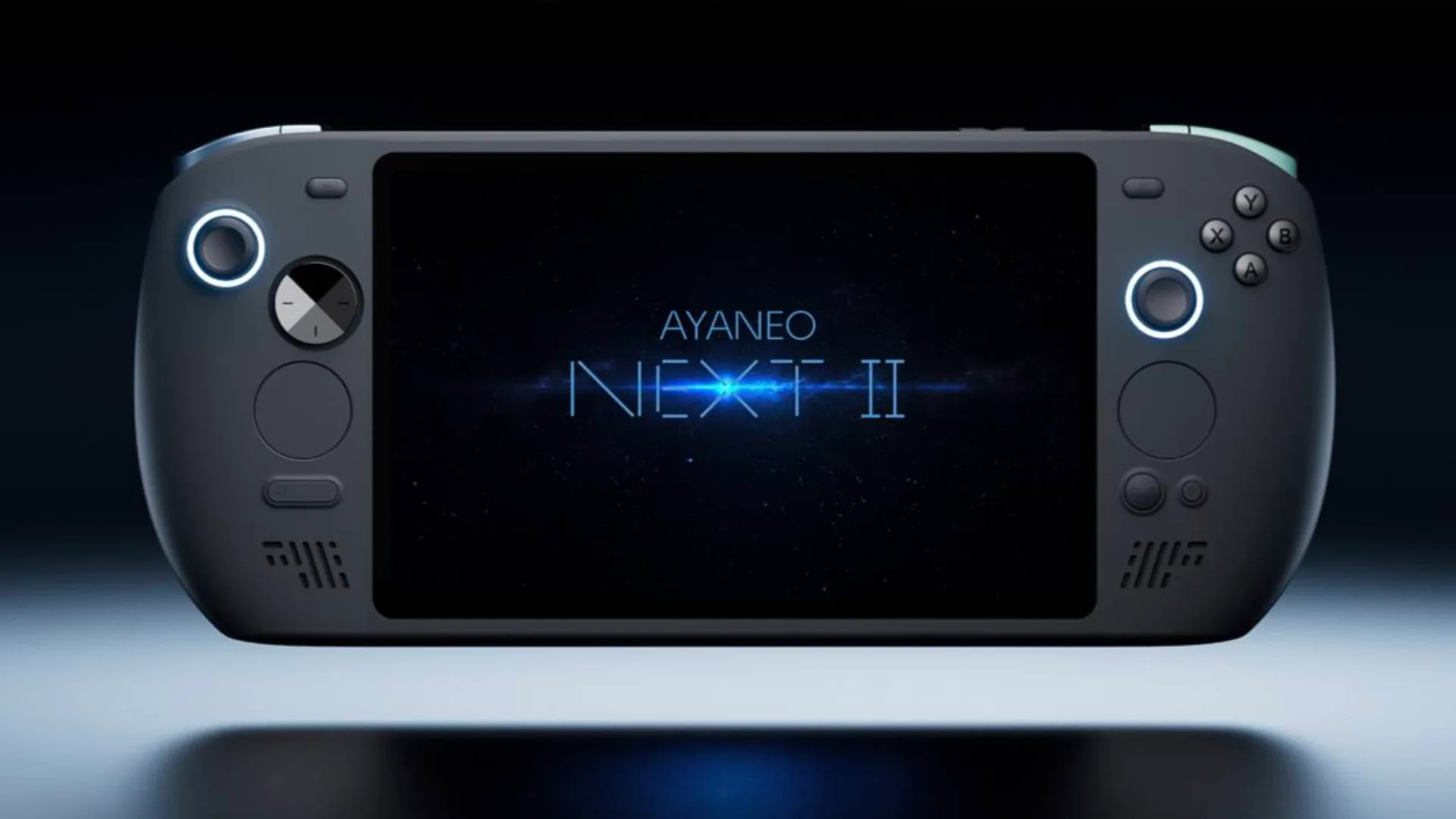
The promise was staggering: a handheld gaming device with the raw power to eclipse many contemporary laptops, wrapped in a form factor meant for the palms of your hands. The AYANEO Next 2, announced with flagship AMD processors and a breathtaking 9-inch OLED display, was positioned as the ultimate conquest in the portable PC arms race. That promise has now collided with a harsh economic reality. In a dramatic and unprecedented move, AYANEO has suspended all new pre-orders for the Next 2, declaring that "continuing to sell this product is no longer sustainable." The reason? Soaring component costs have pushed the bill of materials toward a staggering figure—approaching "twice the price we originally set." This isn't a story of a failed product, but a case study in how volatile global supply chains can abruptly halt the ambitions of even the most cutting-edge hardware.
The Next 2 Dream: Specs, Price, and Ambition
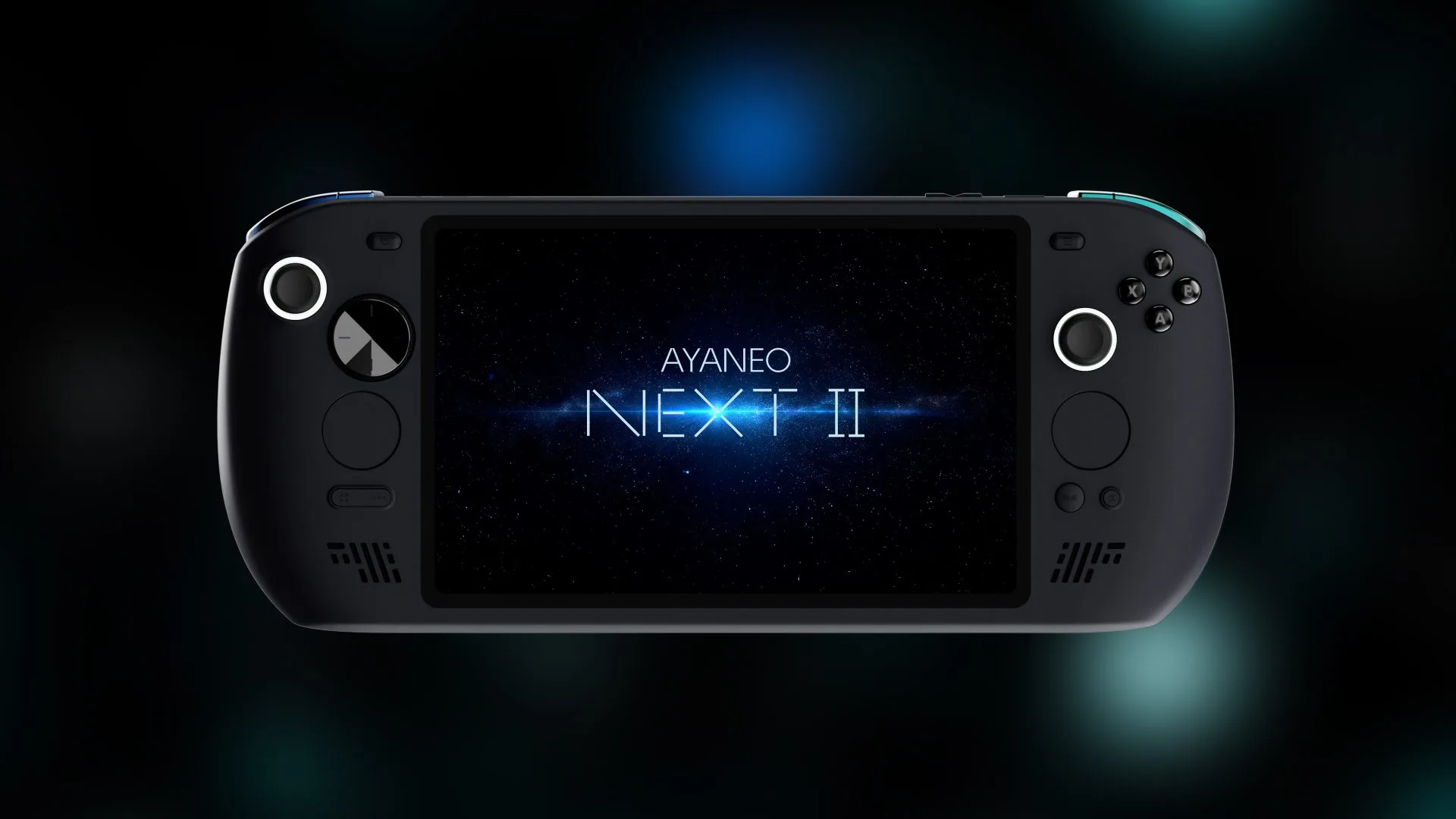
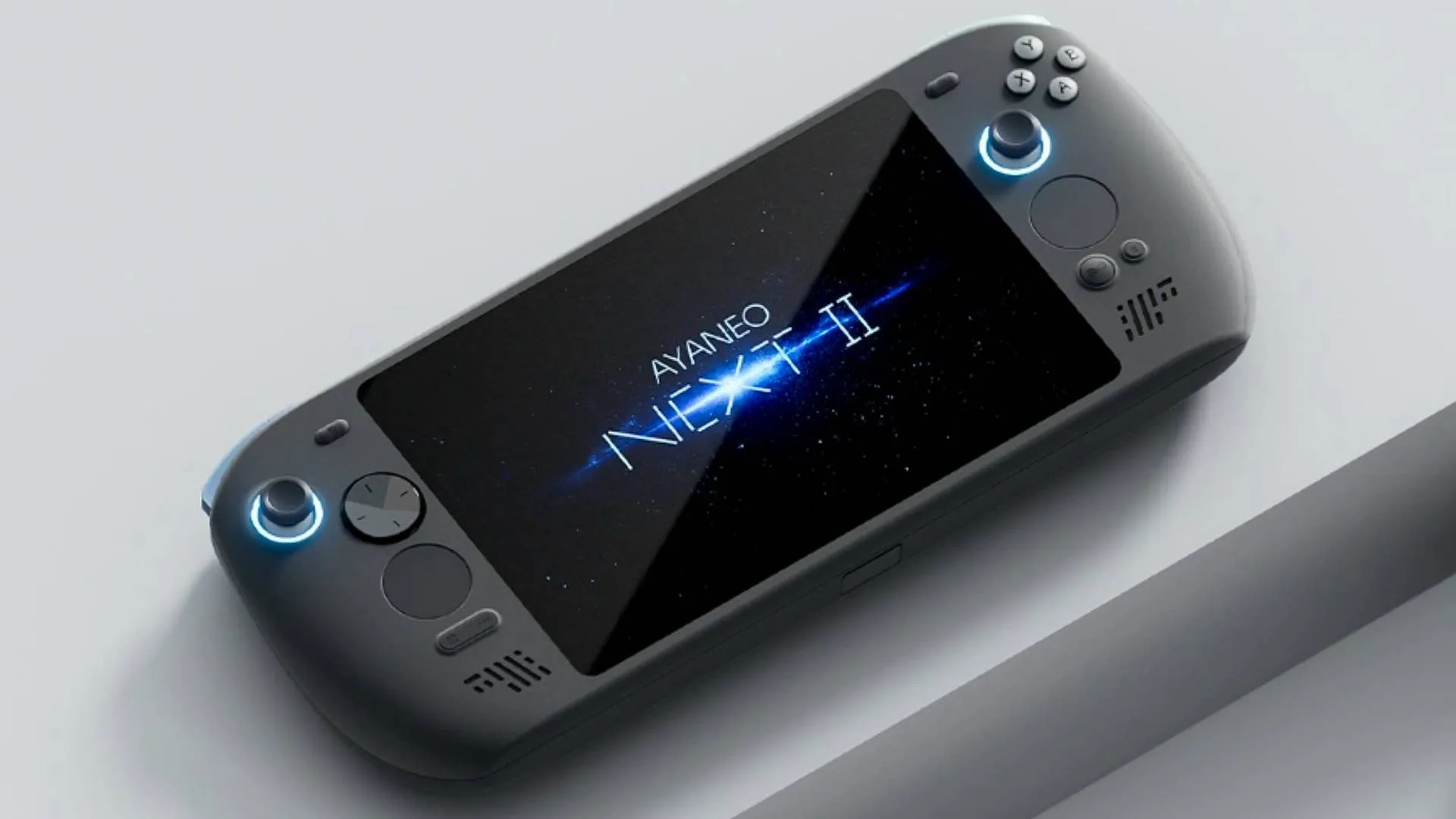
The AYANEO Next 2 was engineered to shatter expectations. Its specifications read like a wish list for power users: a choice between the 8-core AMD Ryzen AI Max 385 or the 16-core Ryzen AI Max+ 395 processors, both based on the next-generation Zen 5 architecture. It was set to be paired with up to 128GB of LPDDR5x RAM and 2TB of NVMe storage. The centerpiece was a lavish 9.06-inch OLED screen boasting a 2400 x 1504 resolution and a refresh rate of up to 165Hz, all powered by a substantial 116 Wh battery. This was a device designed not just to play games, but to dominate them, blurring the line between handheld convenience and desktop-grade performance.
AYANEO's pricing strategy reflected this premium positioning. During its February 2026 Indiegogo campaign, Early Bird backers could secure a base model (32GB RAM, 1TB SSD) for $1,799, with the price set to rise to $1,999 at retail. The high-end configuration, featuring the Max+ 395 CPU, 128GB of RAM, and 2TB of storage, carried an Early Bird tag of $3,499 and a planned retail price of $4,299. This placed the Next 2 firmly in the "no-compromise" luxury tier of the handheld market, a bold bet on enthusiasts' willingness to pay for ultimate portable power.
The Sudden Halt: Announcement and Immediate Impact
The immediate action was decisive. Following its statement, AYANEO suspended all new pre-orders for the Next 2 and removed the product from its official store and other sales channels. The market reaction was one of shock, as the device vanished from storefronts just months after its high-profile campaign.
Crucially, this is not a cancellation. The company was careful to clarify that all existing pre-orders will be honored, with production continuing for those units and an estimated shipping date still set for June 2026. After-sales service and support will also remain unaffected. This distinction is vital—it’s a pause driven by economics, not a failure to deliver. However, it leaves potential customers who missed the initial window in limbo and raises immediate questions about the stability of purchasing high-end hardware from boutique brands.
The Root Cause: Memory, Storage, and a Global Supply Crisis
The culprit, as cited by AYANEO, is a severe and unexpected spike in the cost of DRAM (memory) and NAND flash (storage) chips. These components are the lifeblood of any modern computing device, and their prices are notoriously cyclical. However, the post-Chinese New Year surge appears to be part of a larger, more systemic crisis.
The broader context points to a perfect storm in the semiconductor industry. Explosive demand from artificial intelligence server infrastructure is consuming vast quantities of high-end memory and storage, straining manufacturing capacity and diverting resources. This creates shortages and inflates prices for the consumer-grade components used in devices like gaming handhelds and PCs. Industry analysts, referenced in AYANEO's announcement, predict these inflated pricing conditions could persist into 2026 or even 2027, suggesting this is not a short-term blip but a prolonged market shift.
Sustainability vs. Specs: A Reckoning for Premium Handhelds?
The suspension of the Next 2 forces a critical question about the future of the high-end handheld segment. For years, the market has been defined by a relentless race for higher specs: more cores, more RAM, better screens. The AYANEO Next 2 represented the logical extreme of this trend. Yet, this incident exposes the acute vulnerability of such "no-compromise" devices to macroeconomic shocks. When a product's identity is built on incorporating the most expensive, cutting-edge components, it becomes a hostage to price volatility in those very parts.
This dynamic places smaller, niche manufacturers like AYANEO in a particularly difficult position. Unlike larger PC OEMs with massive scale, diversified product lines, and long-term component contracts—such as Valve with the Steam Deck or Asus with the ROG Ally—a boutique handheld maker has little buffer. Larger firms might absorb cost increases, spread them across millions of units, or leverage purchasing power to secure stable pricing. For a company like AYANEO, the choice becomes stark: sell at a significant loss, dramatically raise the price post-launch and alienate customers, or halt sales entirely. AYANEO chose the latter, a sobering decision that highlights the fragile economics behind our most coveted gadgets and questions the long-term viability of an unchecked spec war in a niche market.
What's Next for AYANEO and the Next 2?
The future of the Next 2 is now conditional and uncertain. AYANEO has stated that sales may only resume "if memory and storage prices return to more reasonable levels." The company offers no timeline for this, aligning with the grim analyst predictions. This creates a significant dilemma for the brand's roadmap. Does it proceed with production solely for the existing, locked-in pre-order customers, turning the Next 2 into a rare, fulfillment-only device? Or does it contemplate a fundamental redesign with different, more stable components?
This situation also tests consumer trust. While honoring existing orders is a positive step, the suspension shakes confidence in the stability of purchasing from niche brands. Potential customers may think twice before committing to a high-priced pre-order, fearing similar disruptions. Furthermore, if the Next 2 vanishes from general sale, it cedes ground in the premium market to competitors who may have secured component contracts differently, potentially altering the competitive landscape.
The saga of the AYANEO Next 2 is more than a product delay; it is a stark lesson in the intersection of high-tech ambition and globalized supply chains. It demonstrates that the pursuit of ultimate performance in niche hardware is not just an engineering challenge, but a financial tightrope walk over volatile markets. For enthusiasts dreaming of ever-more-powerful handhelds, this episode serves as a potent reminder that the ceiling on portable performance may be set as much by boardroom economics and silicon shortages as by the limits of thermal design and battery technology. The dream of the perfect handheld persists, but its realization is now clearly gated by forces far beyond the drawing board. Does this event signal a necessary shift from pure spec-chasing to more sustainable, predictable hardware cycles in the premium handheld space? The market's next moves will provide the answer.