Assassin's Creed Valhalla Director Returns to Ubisoft as Game Director for the Entire Franchise
The Assassin's Creed franchise is getting one of its most trusted voices back. Eric Baptizat, the game director behind Assassin's Creed Valhalla and a key creative force on both Black Flag and...

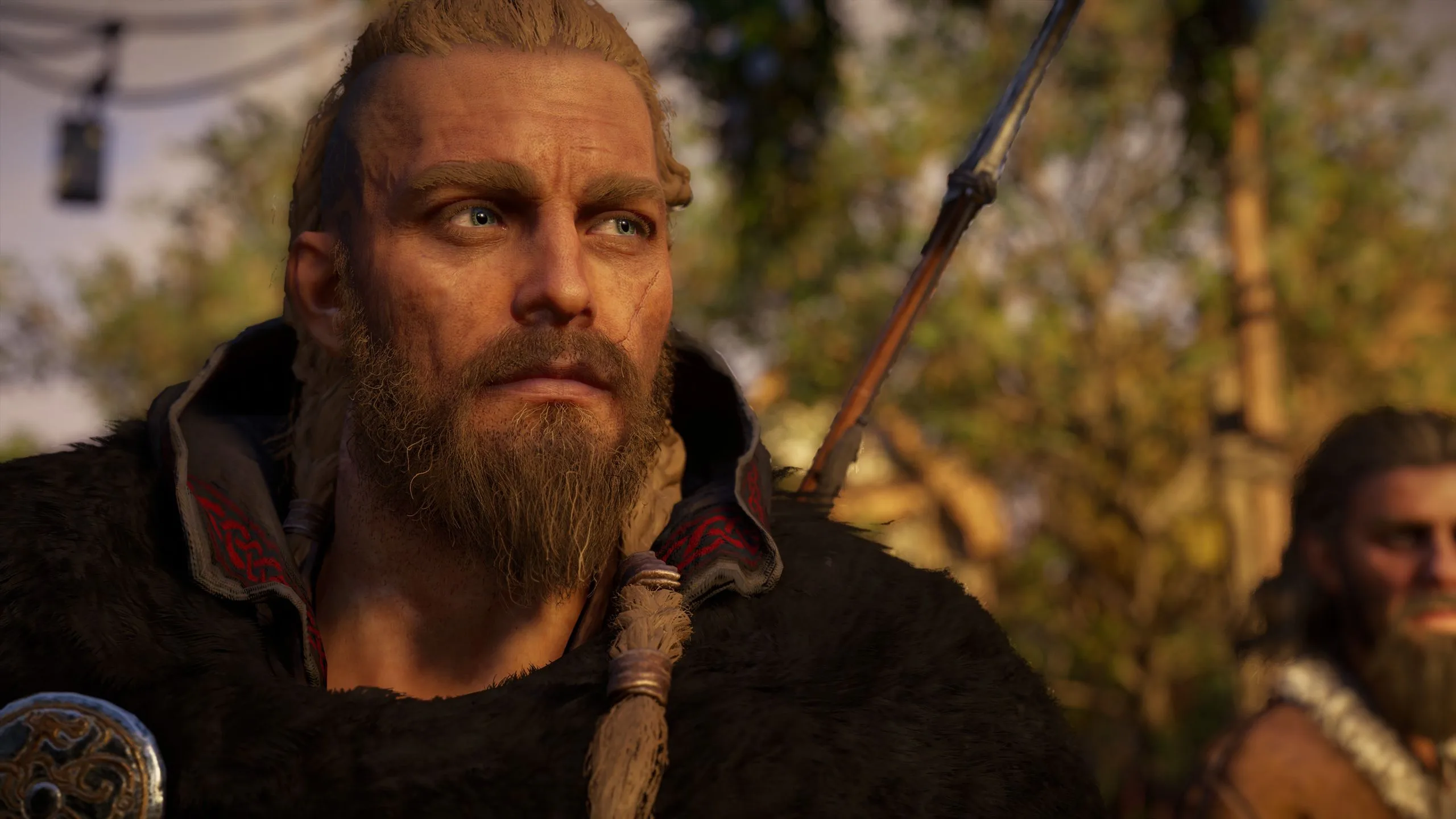
The Assassin's Creed franchise is getting one of its most trusted voices back. Eric Baptizat, the game director behind Assassin's Creed Valhalla and a key creative force on both Black Flag and Origins, has returned to Ubisoft after roughly five years away. This is not a single-project comeback, though. Ubisoft has placed him in a franchise-wide role as game director for the entire Assassin's Creed brand, giving one veteran designer overall authority over the series' creative direction.
The announcement arrived in early August via a LinkedIn post from Jean Guesdon, Ubisoft's Head of Content for Assassin's Creed. It lands at a delicate moment for the publisher, which has been working to steady one of gaming's most storied franchises. The question on everyone's mind: what does Baptizat's return mean for the direction of the entire Assassin's Creed brand?
A Veteran's Homecoming: Who Is Eric Baptizat?
Baptizat's ties to Ubisoft run deep. He joined the company in 2005 and spent roughly 16 years there before departing around 2021. During that time, he left an unmistakable mark on Assassin's Creed. As lead designer on Assassin's Creed IV: Black Flag, he helped send the series into the open seas and delivered what many players still consider the franchise's high-water mark. He served the same role on Assassin's Creed Origins, the 2017 reinvention that turned the saga into a full action RPG and set the template for everything that followed.
Then came Valhalla. Baptizat served as game director on the 2020 Viking epic, which became the most profitable title in Ubisoft's history and one of the best-selling entries in series history. Valhalla's blend of sprawling open-world exploration, settlement building, and streamlined combat landed with a massive audience and cemented his reputation as the rare leader who could deliver Assassin's Creed at enormous scale without losing its identity.
After Valhalla shipped, Baptizat moved to EA Motive, where he spent roughly five years and worked on the Dead Space remake. His exact role on that project was never officially confirmed, but the stint gave him experience outside the Ubisoft ecosystem before he circled back to the franchise that made his name.
A New Role, A New Mandate
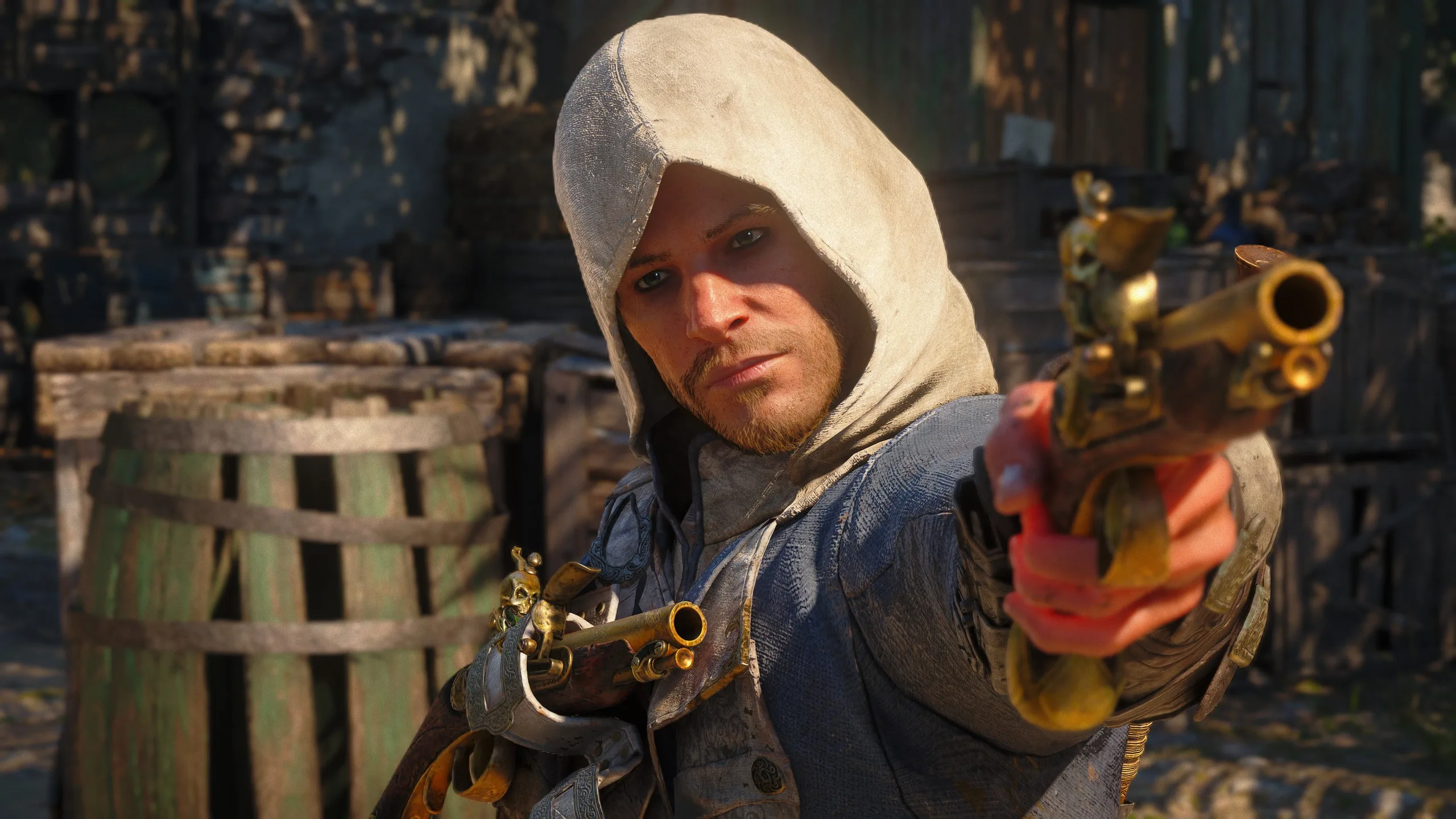
What makes this return different is its scope. Baptizat is not stepping in to direct a specific title. Instead, he has been appointed game director for the entire Assassin's Creed brand, a position that places him above individual projects and gives him a hand in the creative direction of the franchise across multiple teams, platforms, and upcoming releases. It is a consolidation of leadership at the top of the series, with a single veteran voice responsible for the creative through-line that connects everything under the Assassin's Creed banner.
Jean Guesdon, Ubisoft's Head of Content for Assassin's Creed, shared the news through a LinkedIn post, welcoming back a collaborator with deep roots in the series. The phrasing of the announcement matters: this is a brand-level role, not a project-level one. Baptizat will shape the vision of the franchise as a whole rather than steer a single development team toward launch.
A Broader Shakeup at the Top
Baptizat's return is not happening in isolation. Ubisoft has spent a turbulent couple of years reorganizing leadership across its biggest franchises, and Assassin's Creed has sat at the center of that effort. The publisher has been bringing back familiar veterans in an attempt to stabilize the series and restore confidence, and Baptizat is the latest, and arguably the most significant, name to rejoin the fold.
The context is important. Assassin's Creed remains one of Ubisoft's most valuable properties, but the franchise has faced real headwinds. Recent releases have drawn sharp debate within the community about the series' direction, and the publisher has been under pressure to prove that its flagship brand still has momentum. Valhalla demonstrated the ceiling of that momentum, generating more than $1 billion in revenue, but the series has struggled to maintain that pace since.
In that environment, bringing back the director of its most commercially successful installment is a clear signal about where Ubisoft wants to take Assassin's Creed next. The move also fits a pattern: rather than betting entirely on new leadership, Ubisoft is leaning on institutional knowledge, the people who helped define the franchise's modern era. Whether that strategy works will depend on how well those returning voices can balance the series' past with the demands of its future.
Steadying the Creed
Baptizat's return is, above all, a statement about trust. Ubisoft is betting that the person who steered its most commercially successful Assassin's Creed installment can do for the entire brand what he did for Valhalla: deliver a direction that is ambitious in scale and still recognizably Assassin's Creed.
The challenges have changed since Valhalla shipped. The franchise now spans multiple games, live-service ambitions, and a growing multimedia presence. Community expectations are higher than ever, and skepticism runs deep after a turbulent stretch. Baptizat inherits a brand at a crossroads, but he also brings two decades of institutional memory and a track record of steering the series through major transitions.
No single person can fix everything. The success of Assassin's Creed's next era will depend on the teams beneath that brand-level mandate, the creative leaders who stay in place, and the decisions made in the years ahead. But for the first time in a while, the franchise has a single, familiar name at the top of its creative pyramid. For a series built on the power of tradition and reinvention, that may be exactly what it needs.