Assassin's Creed Hexe's New Direction: What the Creative Director Change Means for Ubisoft's Darkest Entry
The Hexe Shake-Up: Hocking Out, Guesdon In Ubisoft’s confirmation on February 25, 2026, was succinct: Clint Hocking had left the company and the Assassin's Creed Hexe project. The studio offered...

The Hexe Shake-Up: Hocking Out, Guesdon In
Ubisoft’s confirmation on February 25, 2026, was succinct: Clint Hocking had left the company and the Assassin's Creed Hexe project. The studio offered thanks for his contributions but provided no public reason for his exit. Hocking, a respected veteran known for his work on Far Cry 2 and Watch Dogs: Legion, was tasked with realizing Hexe’s unique pitch. His departure creates a mid-project leadership vacuum for one of the franchise's most anticipated and stylistically bold entries.
Filling that vacuum is a name deeply woven into the fabric of the Brotherhood: Jean Guesdon. Appointed as the new creative director for Hexe, Guesdon is no stranger to defining moments for the IP. He previously served as creative director on two of the franchise's most critically acclaimed titles: the swashbuckling adventure Assassin's Creed IV: Black Flag and the genre-redefining RPG Assassin's Creed Origins. His promotion is a clear statement from Ubisoft: stability and franchise pedigree are being prioritized at a crucial juncture. The immediate implication is a fundamental transition from one creative vision to another, a delicate handover that will define whether Hexe retains its promised distinctive identity.
A Franchise in Flux: The Bigger Picture at Ubisoft
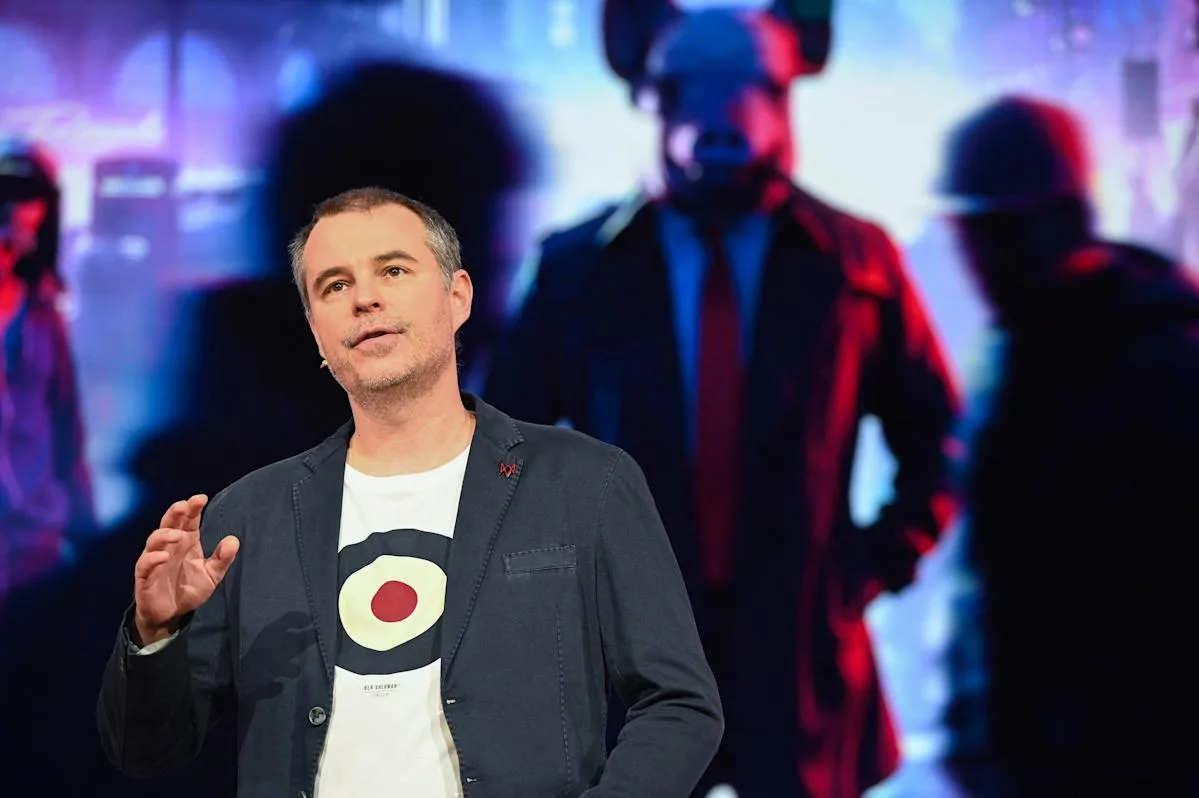
Hocking's exit is a direct piece of a much larger corporate puzzle. It was confirmed just two days after Ubisoft announced a sweeping reorganization of the entire Assassin's Creed franchise leadership on February 23, 2026. This restructuring birthed Vantage Studios, a new subsidiary, and installed a fresh leadership trio—including Guesdon—to helm the IP's future.
This move is the latest in a years-long saga of internal turbulence. It follows the high-profile October 2025 departure of former franchise executive producer Marc-Alexis Côté, who has since filed a lawsuit against the company. This period has also been marked by significant layoffs, studio closures, and a global shift to a "creative houses" operational model. The contrast is stark. Against this backdrop of corporate upheaval, the Assassin's Creed franchise itself is described as being in robust financial health, buoyed by the strong performance of 2024's Assassin's Creed Shadows. Hexe is now a key test subject for this new corporate-engine creative process.
Decoding Hexe: Vision, Rumors, and the Road Ahead
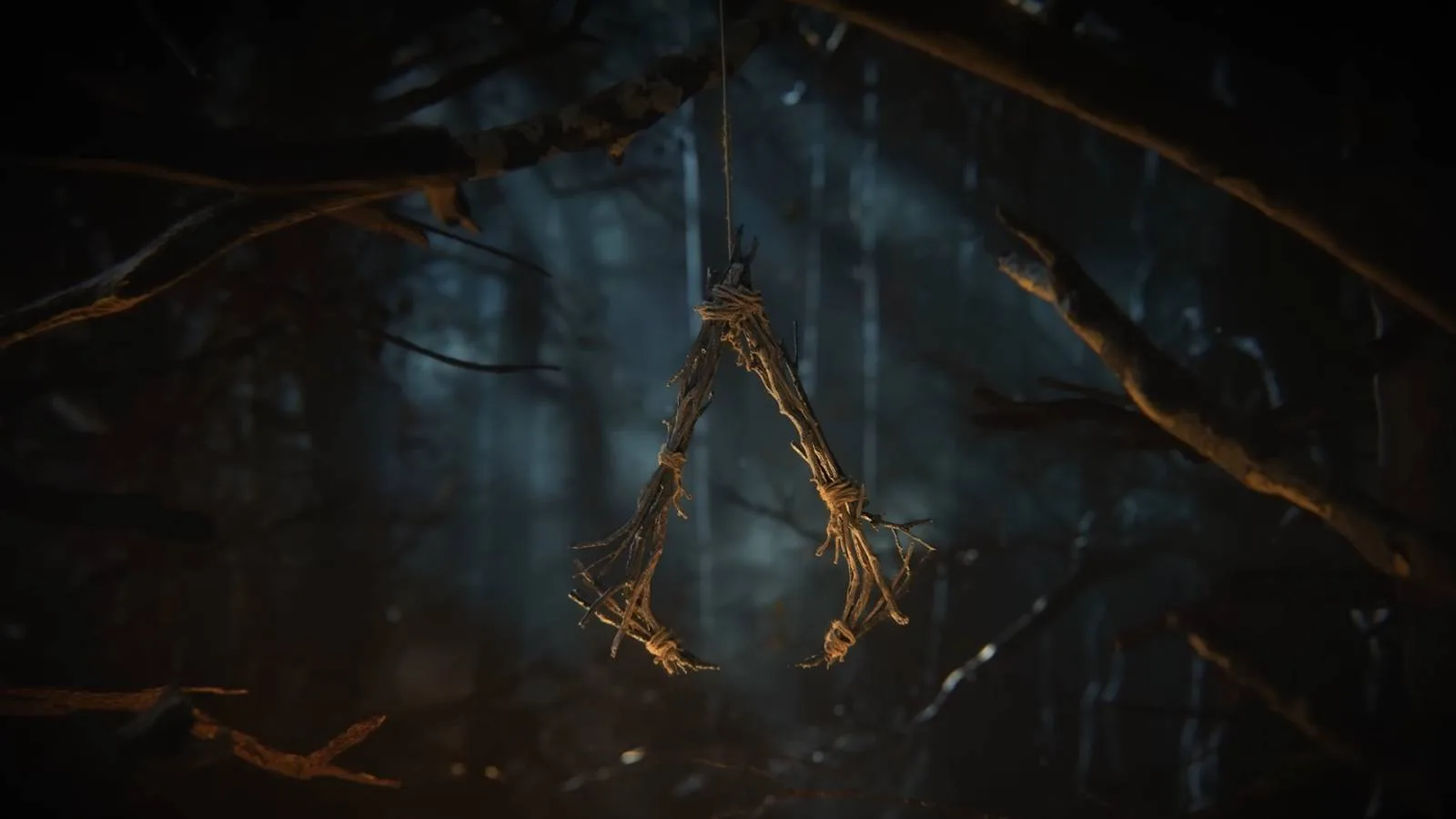
The information vacuum around Assassin's Creed Codename Hexe makes analyzing this leadership change uniquely challenging. Officially, we know little beyond its 2022 teaser—which evoked a dark, folk-horror atmosphere with a twisted Assassin insignia—and Ubisoft’s promise that it will deliver "something distinctive." The persistent rumors suggest a focus on the European witch trials, with potential supernatural or survival-horror mechanics, marking a radical tonal shift from the open-world action-RPG formula.
This is where the creative director swap becomes most compelling. Clint Hocking’s past work often explores systemic gameplay and moral ambiguity (Far Cry 2’s gritty realism, Legion’s play-as-anyone chaos). One could speculate his Hexe might have emphasized oppressive atmosphere and player-driven tension. Jean Guesdon’s legacy, however, is built on expansive, world-defining adventures and successful soft-reboots. The shift suggests a potential recalibration—perhaps a move to ensure Hexe’s distinctiveness is woven into a more familiarly epic Assassin's Creed framework. With Ubisoft confirming "several" other AC projects in development and no release window for Hexe, the studio has the time, but also the immense pressure, to get this transition right.
Leadership Legacy: What Guesdon Brings to the Coven
Jean Guesdon’s appointment is arguably the most reassuring element of this news for franchise traditionalists. His track record is exceptional. Assassin's Creed IV: Black Flag is perpetually hailed as a high-water mark for its perfect marriage of pirate fantasy and Assassin lore, while Assassin's Creed Origins successfully reinvented the franchise’s core gameplay, setting a new standard that persists today. He is a proven architect of both beloved crowd-pleasers and successful evolutionary leaps.
The question now is what thematic or stylistic threads from Black Flag’s naval freedom or Origins’ mythological grounding might weave into Hexe’s rumored 16th-century Central European setting. Could we see a focus on exploration of a dark, forested "frontier" akin to the Caribbean or the Nile? Might the supernatural elements be treated with the same narrative gravity as the Isu in Origins? Guesdon’s greatest challenge and opportunity lies in this act of inheritance. He must now decipher and champion the existing vision—the horror tone, the distinctive identity—while imprinting his own expertise in building compelling, cohesive open worlds.
While the departure of a creative director like Clint Hocking inevitably sparks concern, the ascension of a veteran like Jean Guesdon provides a significant counterweight of stability and proven success. Assassin's Creed Codename Hexe remains the franchise's most intriguing enigma—a proposed journey into themes and tones the series has only ever brushed against. Its development has now become the ultimate stress test for Ubisoft’s new creative structure. The community now watches to see if Guesdon's proven talent for epic, cohesive worlds can successfully harbor Hexe's promised intimate nightmare. The future of the Brotherhood's boldest experiment depends on it.