ARC Raiders Duplication Glitch: What Happens to Duped Items and Player Accounts
The raids were supposed to be tense, coordinated battles against overwhelming odds. Instead, in early February 2026, ARC Raiders servers descended into chaotic, unplayable slideshows. Missions became...

The raids were supposed to be tense, coordinated battles against overwhelming odds. Instead, in early February 2026, ARC Raiders servers descended into chaotic, unplayable slideshows. Missions became minefields, littered with hundreds of identical grenades and ziplines. The in-game economy, a delicate ecosystem of resource scarcity and reward, was thrown into total disarray. The cause? A single, catastrophic item duplication glitch that spread like wildfire through the player base.
Now, with the exploit patched, a tense silence has fallen. Developer Embark Studios has issued a stark warning, stating it is reviewing cases for "possible penalties." The community holds its breath, divided and awaiting judgment. The central question hanging over the game is severe and simple: will players get to keep their ill-gotten gains, or will Embark wipe inventories and sanction accounts to restore order?
The Glitch That Broke the Game
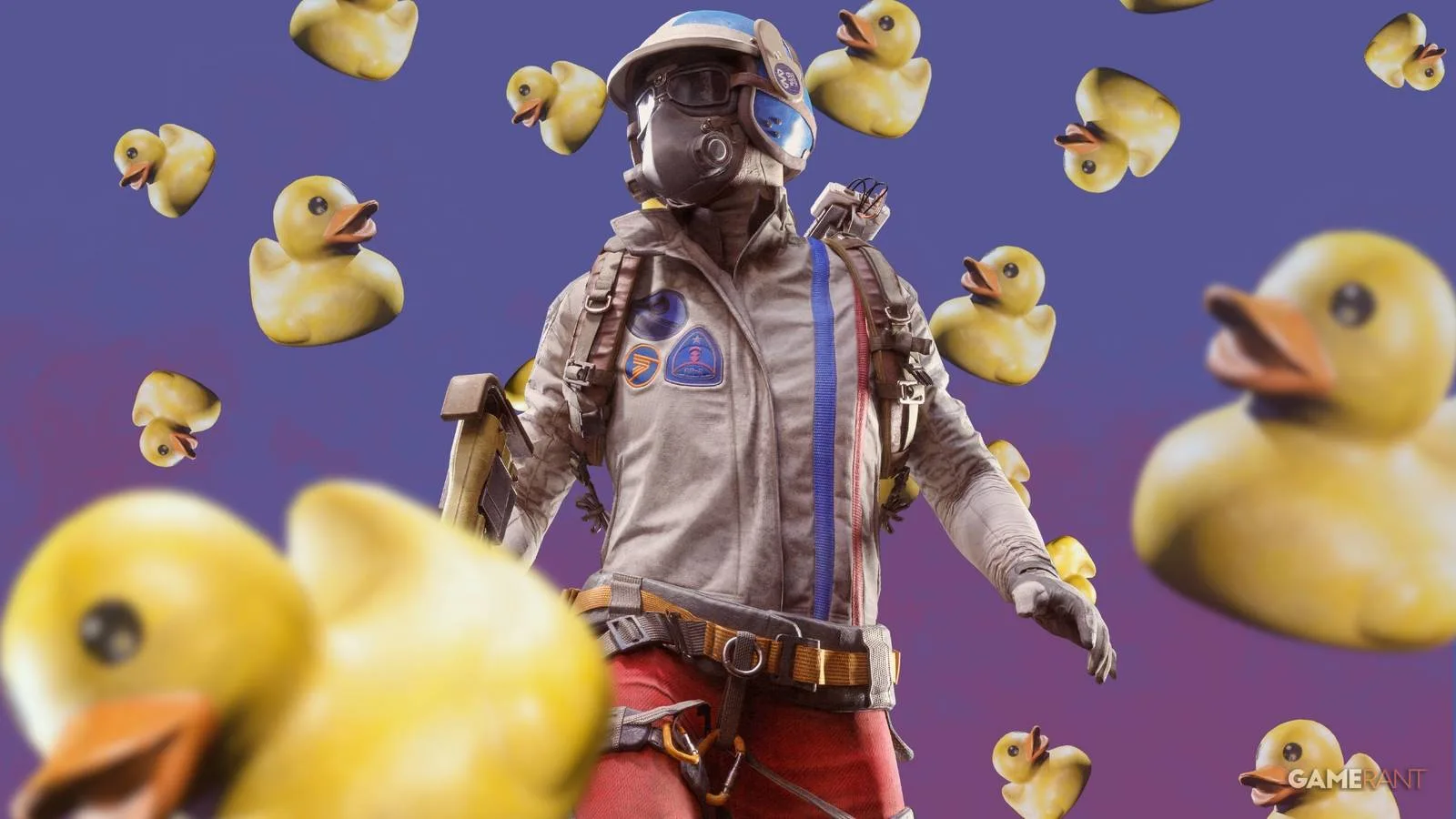
The chaos erupted in the wake of the game's "Headwinds" update (v1.13.0) on January 27. By early February, players had discovered and widely disseminated methods to infinitely duplicate stackable, quick-use items. The exploit wasn't a minor hiccup; it was a game-breaking flaw. Players could clone grenades, ziplines, mines, and even high-value collectibles like the coveted "Familiar Duck" pet. Critically, one prominent method did not require disconnecting from the internet, lowering the barrier to abuse and enabling rapid, widespread exploitation.
The impact was immediate and severe. Social media and community hubs filled with clips of raids brought to a standstill. Servers buckled under the strain of processing thousands of duplicated entities, resulting in crippling lag and frame rate death. Some missions became literal minefields, with corridors and objectives blanketed in explosives, rendering progression impossible. Beyond the gameplay disruption, the glitch birthed a black market. Real-money trading (RMT) forums saw a surge in activity, with duped items and the currency gained from selling them being traded for actual cash, fundamentally poisoning the game's economic integrity.
Embark Studios' Response: Fixes and Warnings
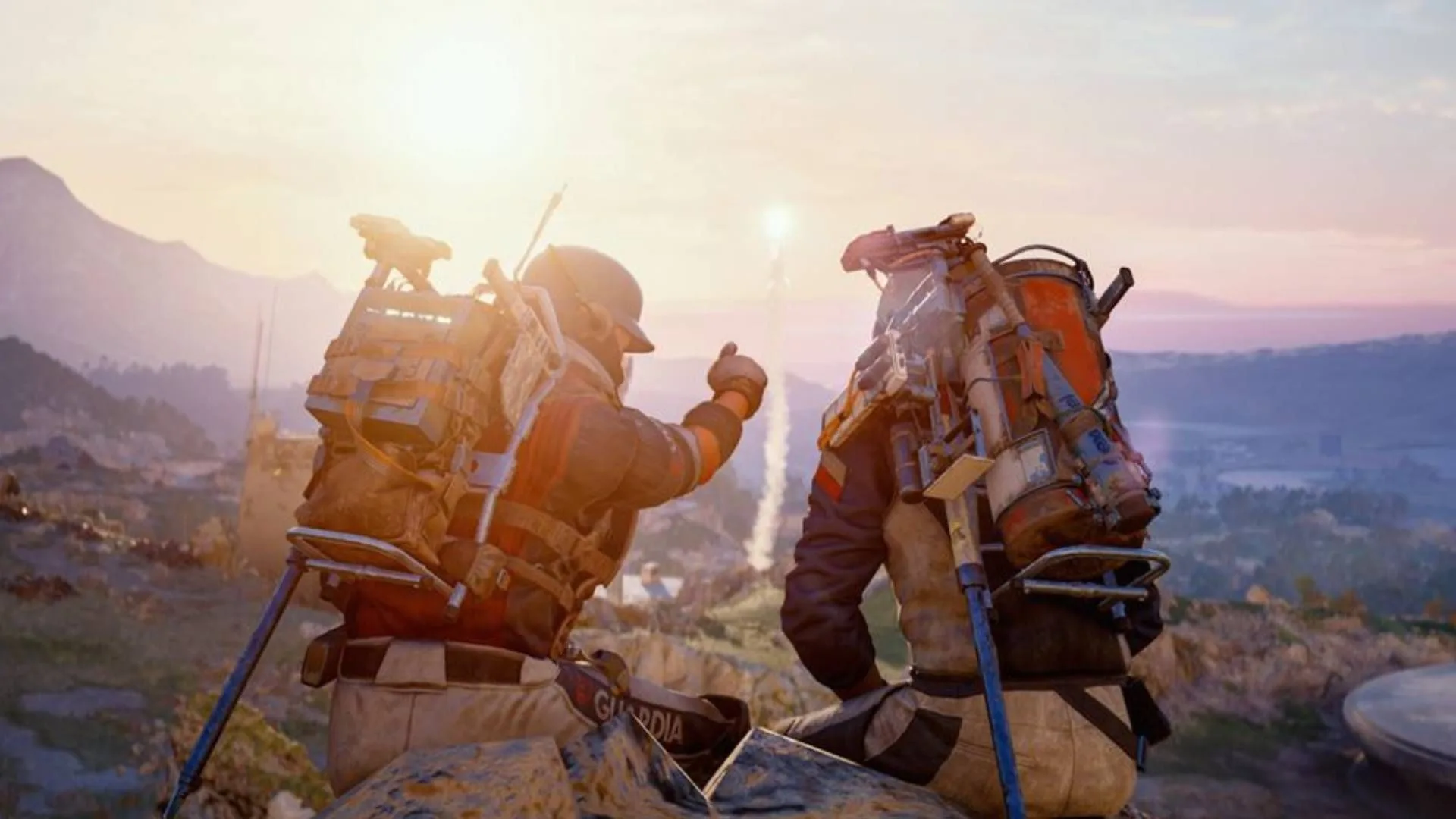
Embark Studios moved quickly, but the path to a fix was fraught. On February 10, 2026, the studio deployed patch 1.15.0. To the community's frustration, the official notes were silent on the duplication issue, and the patch itself failed to resolve it. The fix arrived hours later via a separate backend hotfix, finally closing the exploit.
The studio's communication, primarily through the official ARC Raiders Discord, was clear in its acknowledgment and subsequent warning. Embark confirmed they were "actively working on a fix" and, once it was deployed, delivered the message that has since defined the controversy. The studio stated it would be reviewing players who duplicated "excessive amounts of items" for "possible penalties."
This review, Embark clarified, would be case-by-case, based on "the severity of the different cases." The potential actions on the table are direct: the removal of illegitimately gained items and currency, and adjustments to the competitive "Trials" mode leaderboards, which were undoubtedly skewed by players using infinite resources.
Precedent, Predictions, and a Divided Player Base
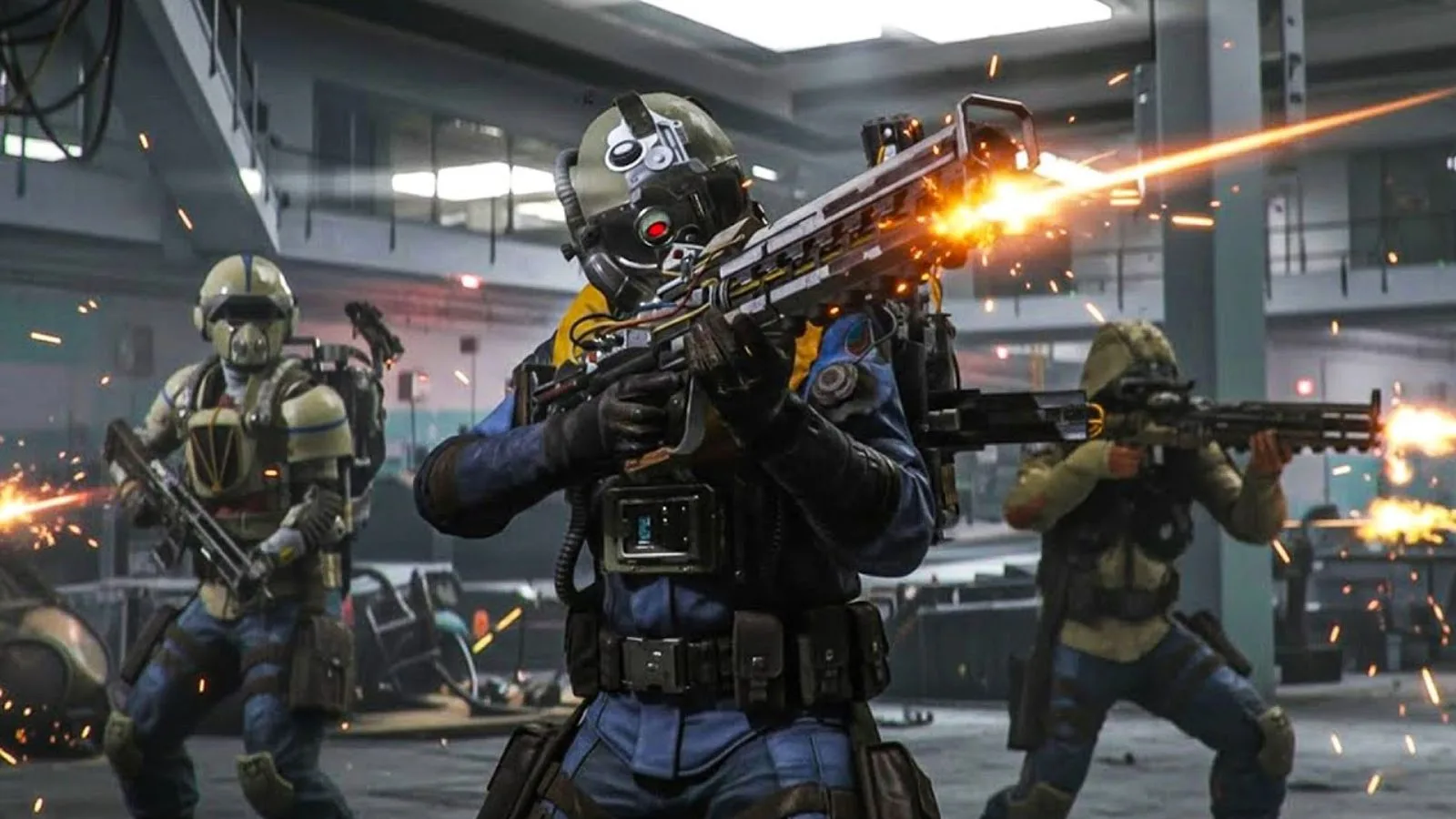
Embark Studios now faces a critical test of its governance philosophy, with the community's heated debate framing the core dilemma. The studio has a track record of swift action against critical bugs and has employed creative anti-cheat measures in its previous title, The Finals. This history suggests they are not afraid to take firm steps to protect game integrity.
The key phrase in their warning—"severity of the case"—will be the defining metric, and it sits at the heart of the player divide. One faction argues that punishing players for exploiting a developer-side bug is inherently unfair, placing responsibility for the game's stability solely on Embark. The other side, having witnessed ruined raids and economic damage firsthand, supports decisive action, viewing mass duplication as a conscious choice that harmed the collective experience.
The likely approach is a spectrum of response calibrated to this "severity." A player who duplicated a handful of grenades to test the glitch may receive only a warning or a minor item wipe. However, those who engaged in industrial-scale duplication—especially those who flooded the market or engaged in real-money trading—almost certainly face stiffer penalties, which could include temporary suspensions or the stripping of all illegitimate progress.
This glitch's spread was accelerated by visibility, notably from content creator TheBurntPeanut, whose demonstration pushed the issue into the mainstream. This event underscores a painful reality for Embark: this was a recurring issue. A previous item duplication glitch had been patched just weeks earlier, on January 20, 2026, raising serious questions about the underlying stability of the game's inventory and networking systems.
A Defining Verdict for the Future
The servers may be stable again, but the fallout from the duplication glitch is just beginning. Embark Studios' next move is more than a simple cleanup operation; it is a statement of principle that will set a powerful precedent for ARC Raiders' future.
The broader implications for the game's long-term health are significant. Failure to act decisively could normalize exploitation, erode trust in the in-game economy, and invalidate the competitive spirit of modes like Trials. Conversely, an overly broad or harsh crackdown risks alienating a portion of the player base. Embark must walk a tightrope, punishing the destructive excesses of the exploit while acknowledging the bug originated on their end.
How they handle this crisis will define their commitment to fair play. Embark's verdict will send a clear message: is ARC Raiders a world where exploits define the meta, or one where fair play is actively defended? The answer will either secure the game's foundation or leave it permanently fractured.