Another President Exits Wizards of the Coast After Two Years - Record Revenue, But a Troubling Revolving Door
John Hight is stepping down as President of Wizards of the Coast after barely two years on the job, his departure disclosed in an SEC Form 8-K filing rather than a celebratory press release. The...

John Hight is stepping down as President of Wizards of the Coast after barely two years on the job, his departure disclosed in an SEC Form 8-K filing rather than a celebratory press release. The timing could hardly be more awkward: it comes just days before the D&D Vision Keynote at GenCon 2026, an event meant to chart the brand’s future, and on the heels of a $56 million impairment charge tied to canceled video game projects, including the shuttering of internal studio Atomic Arcade and the termination of a high-profile publishing deal with Stig Asmussen’s Giant Skull. All of this, while Magic: The Gathering posted a record $1.72 billion in revenue in 2025, a 59 percent year-over-year jump, and Dungeons & Dragons rode high on the launch of its revised 2024 core rulebooks. The paradox is glaring: the tabletop business is printing money, but the digital division has hemorrhaged projects, and the company’s leadership seat keeps spinning. Hight’s departure marks the third president to leave Wizards of the Coast in roughly six years, following Cynthia Williams (2022, 2024) and Check Huebner before her. The question hanging over the GenCon keynote is no longer just about the roadmap for D&D and Magic, it’s about whether anyone can hold the wheel long enough to drive there.
The Hight Tenure, Record Profits Meets Video Game Chaos
On paper, Hight’s tenure should have been a triumph. Magic: The Gathering’s 2025 revenue of $1.72 billion was the highest in the game’s 32-year history, fueled by a relentless cadence of Universes Beyond crossovers. Sets featuring Final Fantasy, Marvel, and Fallout turned the trading card game into a pop-culture juggernaut, pulling in casual collectors and veteran players alike. Under Hight, the D&D brand also maintained its dominance: the 2024 revised core rulebooks, often referred to as “5.5e” by the community, refreshed the game without fracturing the audience, a delicate balance that previous edition changes had struggled to achieve.
But the other half of Hight’s portfolio was Hasbro Digital Gaming, and that side of the business tells a very different story. Hight was brought in from Blizzard Entertainment precisely to bring video game expertise. He had spent nearly 13 years at Blizzard, serving as executive producer and vice president of World of Warcraft before becoming general manager of the entire Warcraft franchise. If anyone could translate Wizards’ tabletop IP into successful digital products, it should have been him.
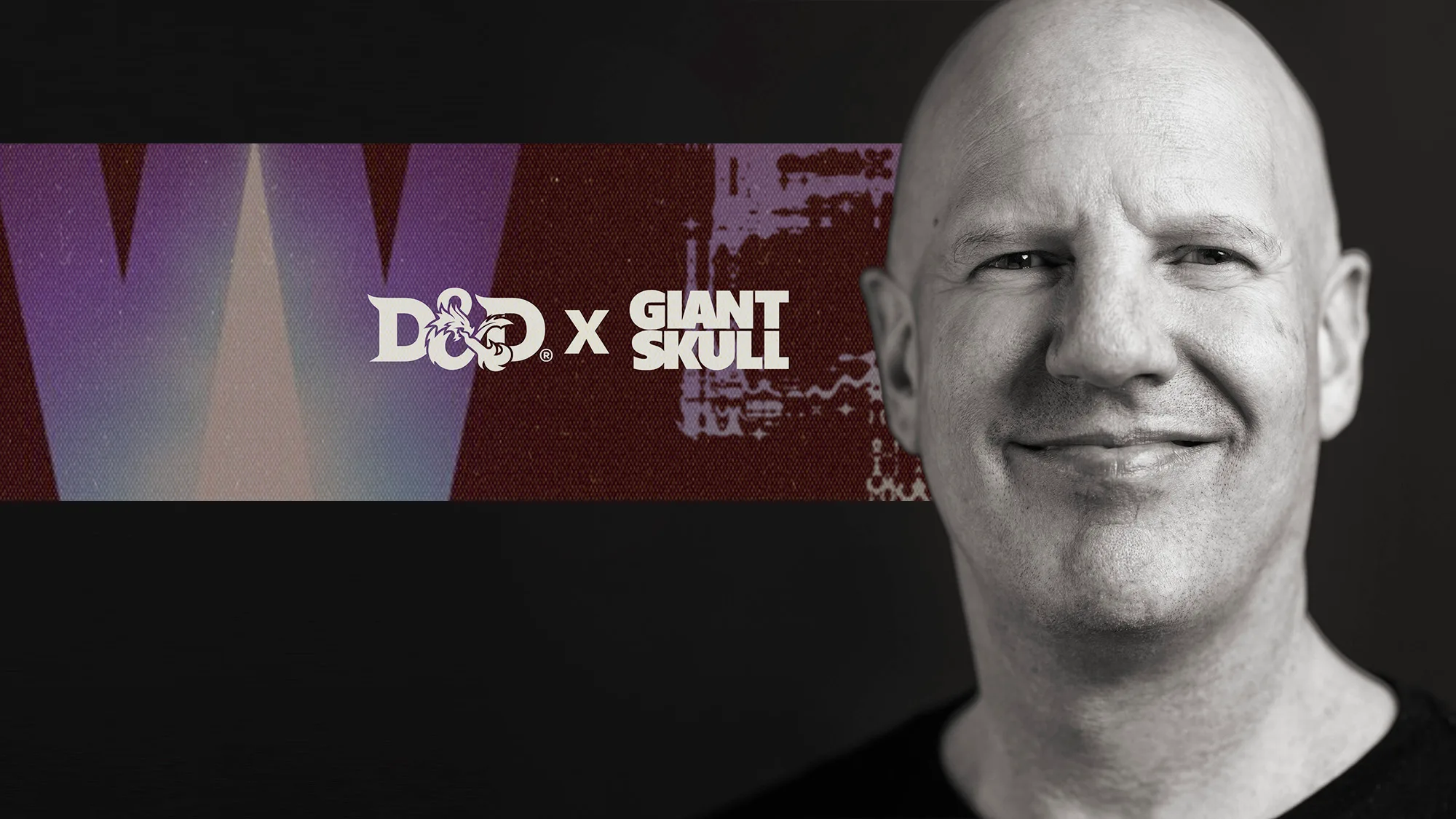
Instead, Hasbro’s digital gaming ambitions faltered. The company canceled several unannounced video game projects scheduled for 2028 and beyond, recording a $56 million impairment charge in July 2026. Internal studio Atomic Arcade was shuttered. And a high-profile D&D publishing deal with Giant Skull, the studio founded by Stig Asmussen, director of Star Wars Jedi: Fallen Order, was terminated. For a president whose résumé was built on digital success, the contrast between the booming tabletop division and the struggling video game slate must have been a constant source of tension.
A Troubling Pattern, Three Presidents in Six Years
Hight’s predecessor, Cynthia Williams, also lasted roughly two years. Before her, Check Huebner served a similarly short term. That means Wizards of the Coast has now cycled through three presidents in approximately six years. To put that in perspective, Hasbro’s own CEO, Chris Cocks, has held his role since 2022 and is still in place. Across the industry, leaders at comparable tabletop and gaming giants typically serve five, ten, or even twenty-year tenures. Rapid turnover at the top of a subsidiary as important as Wizards raises uncomfortable questions about board stability, strategic direction, and the working culture inside the company.
Hight’s exit agreement offers some clues about the nature of his departure. He will transition to an advisory role to the CEO, retaining his $800,000 annual salary, with no claw-back on his sign-on bonus and no eligibility for salary increases or PTO during the transition. That structure suggests a negotiated departure rather than a forced firing, but the pattern remains unmistakable. Three presidents, two-year stints each. Somewhere in the executive suite at Hasbro, there must be a fundamental misalignment between what the company expects from Wizards’ president and what the role can actually deliver in the current corporate structure.
The $56 Million Impairment and Hasbro’s Video Game Slate
The impairment charge announced a week before Hight’s resignation is the most concrete signal of trouble. $56 million from canceling “several” video game projects intended for 2028 and beyond. Hasbro has publicly stated that its broader strategy is shifting toward fewer, bigger bets after years of scattered investments. In theory, that makes sense: instead of funding a dozen unannounced projects, focus resources on a handful of high-confidence titles.
But the cancellations themselves tell a story of failed experiments. The termination of the Giant Skull deal was particularly painful, as it represented a prestige D&D game from a proven director. The shuttering of Atomic Arcade, an internal studio that had been working on an unannounced project, suggests that even in-house development struggled under the weight of corporate oversight.
Despite all this, Wizards insists that the 2027 video game slate remains on track. Two titles are mentioned by name: the sci-fi RPG Exodus and the unannounced project Warlock. Whether those games can carry the weight of investor confidence, and whether they will launch under a new president who had no hand in their development, remains to be seen.

The GenCon Timing, A Keynote in the Shadow of Uncertainty
The D&D Vision Keynote at GenCon 2026 was supposed to be a milestone event. It was expected to lay out the strategic roadmap for Dungeons & Dragons over the next several years, detailing plans for digital tools, new campaigns, and possibly even the future of the D&D film franchise. Among the most anticipated announcements were updates to the D&D Beyond virtual tabletop, a feature long promised but still lacking key functionality, and the reveal of the next major campaign setting book, rumored to return to the world of Greyhawk. Instead, the keynote is now the first public test of Wizards’ ability to project stability while its leadership is in flux.
Hight’s resignation, disclosed just days before the event, means that either an interim or acting president will have to address the audience, or Hasbro CEO Chris Cocks will take the stage himself. Either scenario raises questions about continuity and long-term vision. A keynote delivered by a caretaker president lacks the authority of one delivered by the person who will actually implement the plan. And if Cocks steps in, it signals that Hasbro is effectively running Wizards’ D&D division from the top floor, which could further destabilize the subsidiary’s autonomy.
In a recent press conference, Hight discussed the challenges of bridging tabletop and digital, a vision he will no longer see through. Video
Wizards has publicly stated that “Magic and D&D continue to perform incredibly well” and that the search for Hight’s successor is already underway, both internally and externally. But for fans and investors watching the GenCon keynote, those assurances will ring hollow if the presentation feels rushed, deflective, or absent of bold commitments.
The Search Ahead: Finding Wizards’ Fourth President in Six Years
John Hight leaves Wizards of the Coast with a mixed legacy: record-breaking tabletop revenue that proves the core brands are stronger than ever, but a video game division that couldn’t find its footing and a leadership seat that keeps spinning. The fact that three presidents have each served about two years suggests a systemic issue, either the role is designed for short tenures, or the job comes with pressures that wear executives down. The $800,000 salary retained during Hight’s advisory period suggests that Hasbro is willing to pay to keep a departing leader quiet and cooperative, but it doesn’t solve the underlying problem.
As Hasbro searches for a fourth president in less than a decade, the D&D Vision Keynote at GenCon will be the first test of whether the company can project stability while navigating its internal turmoil. For now, the $1.7 billion question remains: who will want to take the helm next? The answer, if the pattern holds, may not be worth waiting for.