AMD's 2027 Roadmap: Decoding the Next-Gen Xbox Console's Potential Launch and Hybrid Future
The Official Word: AMD, Microsoft, and the 2027 Timeline The most credible evidence for a 2027 timeline comes straight from the silicon partner’s top executive. Dr. Su’s wording is precise: AMD’s...

The Official Word: AMD, Microsoft, and the 2027 Timeline
The most credible evidence for a 2027 timeline comes straight from the silicon partner’s top executive. Dr. Su’s wording is precise: AMD’s work is “progressing well to support a launch in 2027.” This is a crucial distinction. It confirms AMD’s engineering milestones are on track to have its semi-custom System-on-a-Chip (SoC) ready for a hypothetical 2027 console release. It is not, however, a confirmation from Microsoft that the console will launch that year. The final decision on timing, marketing, and global rollout rests entirely with Xbox.
This statement builds upon the formal foundation laid in June 2025, when AMD and Microsoft announced a “strategic multi-year” agreement to co-engineer silicon for the next-generation Xbox, continuing a partnership that spans the Xbox Series X|S and devices like the Asus ROG Ally X. Microsoft’s quality target was articulated by Xbox President Sarah Bond in October 2025, who promised the next console would deliver a “very premium, very high-end curated experience.” The official narrative, therefore, is one of a deep, ongoing collaboration aimed at a high-performance device, with AMD now signaling its hardware could be ready for a 2027 debut.
Bridging the Gap: Reconciling Timelines and Rumors
The official hint from AMD exists within a tangled web of prior leaks, creating a central challenge: reconciling conflicting evidence on timing and specifications.
The 2028 Plan:
The most notable contradiction comes from documents leaked during the FTC v. Microsoft litigation in 2023. Those internal plans, now several years old, pointed to a “next generation hybrid game platform” targeting a 2028 release, with evaluations between ARM64 and x64 architectures. Given the dynamic nature of tech roadmaps, these documents are widely considered a snapshot of early planning, not a finalized schedule.
The 2027 Evidence:
Dr. Su’s 2027 hint gains credibility when viewed alongside the development cadence implied by older leaks. If the FTC documents suggested an early 2026 “tapeout” (the final stage of silicon design) with development kits following in late 2026 or early 2027, that timeline could indeed support a late 2027 hardware launch. The rumors and the official hint, while differing in specificity, are not inherently incompatible on timing.
The Speculative Details:
More recent rumors have filled in speculative hardware details, assuming the 2027 timeline holds. Reports from established leakers like Moore’s Law is Dead in August 2025 suggested the console’s APU, codenamed “Magnus,” would leverage next-generation AMD architectures: Zen 6 and Zen 6c CPU cores paired with an RDNA 5-based GPU. A separate, unverified leak from February 1, 2026, added granular claims: an APU featuring 68 RDNA 5 GPU cores, three different console prototypes in testing, a redesigned “Elite Series 3” controller, and a more Windows-like OS for better PC integration.
The "Hybrid" Vision: Console, PC, and the Xbox Ecosystem
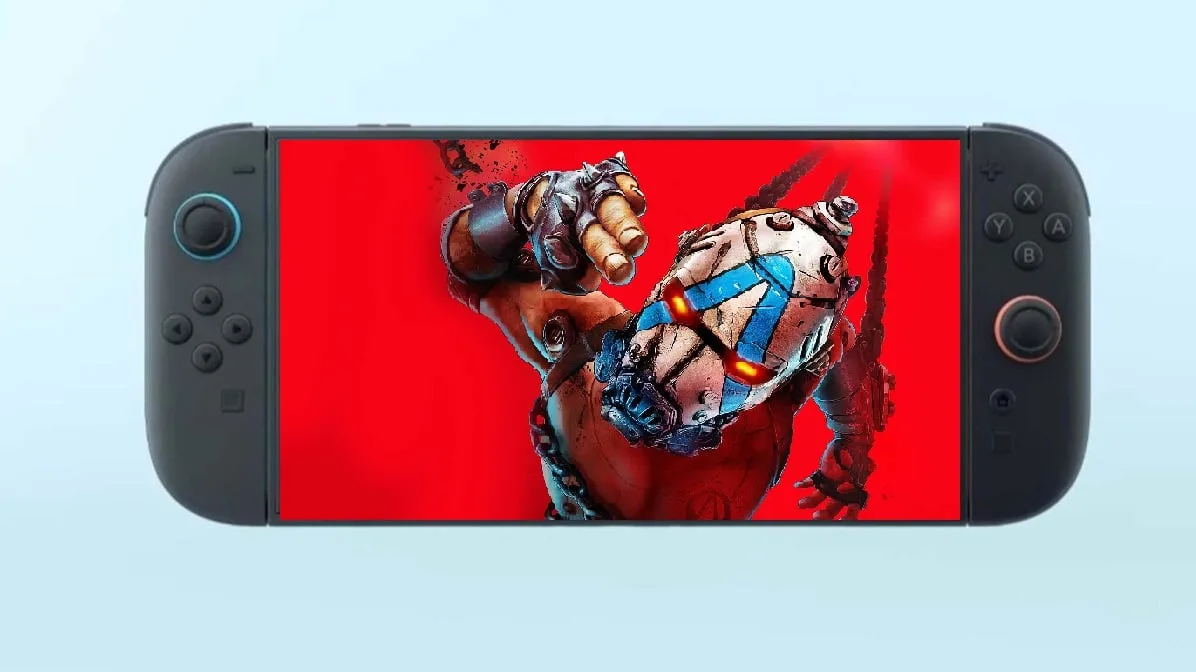
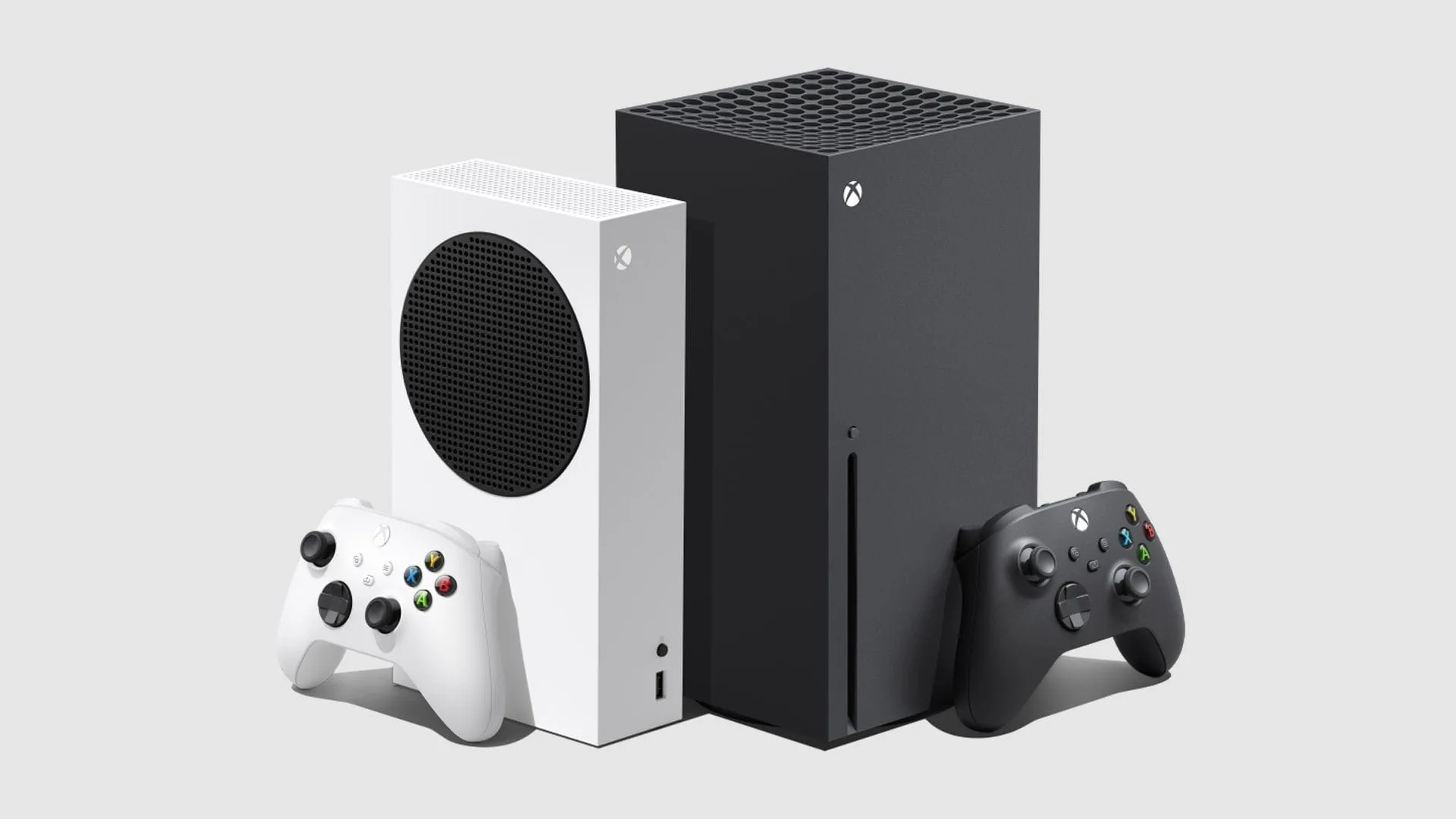
Beyond the “when,” the bigger question is the “what.” Microsoft has explicitly teased that the next Xbox will be a hybrid console/PC device. In practice, this could manifest in several ways. It may not simply mean a portable device like the Nintendo Switch, but rather a hardware platform that blurs the line between the curated, living-room console experience and the open, modular world of PC gaming.
The groundwork is already being laid through the “Xbox Ally” initiative, which certifies handheld PCs like the Asus ROG Ally to run a curated Xbox interface. This strategy could evolve into a first-party device that runs a more flexible operating system. Rumors of support for multiple third-party storefronts and a Windows-like OS suggest a machine that could function as a true PC, potentially accessing libraries beyond the Microsoft Store or Steam, while still offering a streamlined “Console Mode” for traditional TV play.
Central to this vision is the promise of full backward compatibility. This underscores a strategy of ecosystem continuity. Instead of a hard reset with each generation, Microsoft appears to be building a persistent platform where your library, achievements, and friends list carry forward indefinitely, whether you’re playing on a hybrid device, a traditional console, or a cloud stream.
The Road to 2027: Development Cycles and Market Realities
Is a 2027 launch feasible? If the tapeout for the custom AMD SoC is imminent or already occurred in early 2026, the path to manufacturing and game development kits in the following 12-18 months is well-established in the industry. This would give developers roughly two years with final or near-final hardware before a potential Holiday 2027 launch—a standard, if ambitious, cadence.
A 2027 release would create a fascinating competitive landscape. It would place the next Xbox’s arrival approximately seven years after the Series X|S, a typical console generation length. It would likely position Microsoft a year or two ahead of Sony’s presumed PlayStation 6 timeline, potentially allowing it to define the next generation’s performance benchmarks. The “premium” experience Sarah Bond described will inevitably come at a cost; analysts speculate a price point that could push beyond the $499 launch price of the Series X, possibly landing between $599 and $699 depending on final specifications and economic factors.
While AMD has provided the strongest and most credible indicator yet of a 2027 launch window, the final announcement rests solely with Microsoft. The converging evidence—from official partnerships, architectural roadmaps, and persistent rumors—paints a picture of a device that is more than a simple power upgrade. The next Xbox appears poised to be a significant evolution of the platform itself, potentially dissolving the rigid barriers between console and PC as Microsoft doubles down on an expansive, player-centric ecosystem. The roadmap points toward 2027 not just for a new box, but for a fundamental shift in strategy—a device designed to make your Xbox library and identity more portable and persistent than ever before.
Tags: Xbox, AMD, Next-Gen Console, Gaming Hardware, Microsoft