Amazon’s God of War Show Forced to Recast Kratos: Inside the Impossible Decision That Scrapped 4 Episodes
The news hit like a Leviathan Axe to the chest. According to an exclusive report from Deadline, corroborated by multiple industry sources, Ryan Hurst, the actor chosen to embody the Ghost of Sparta...

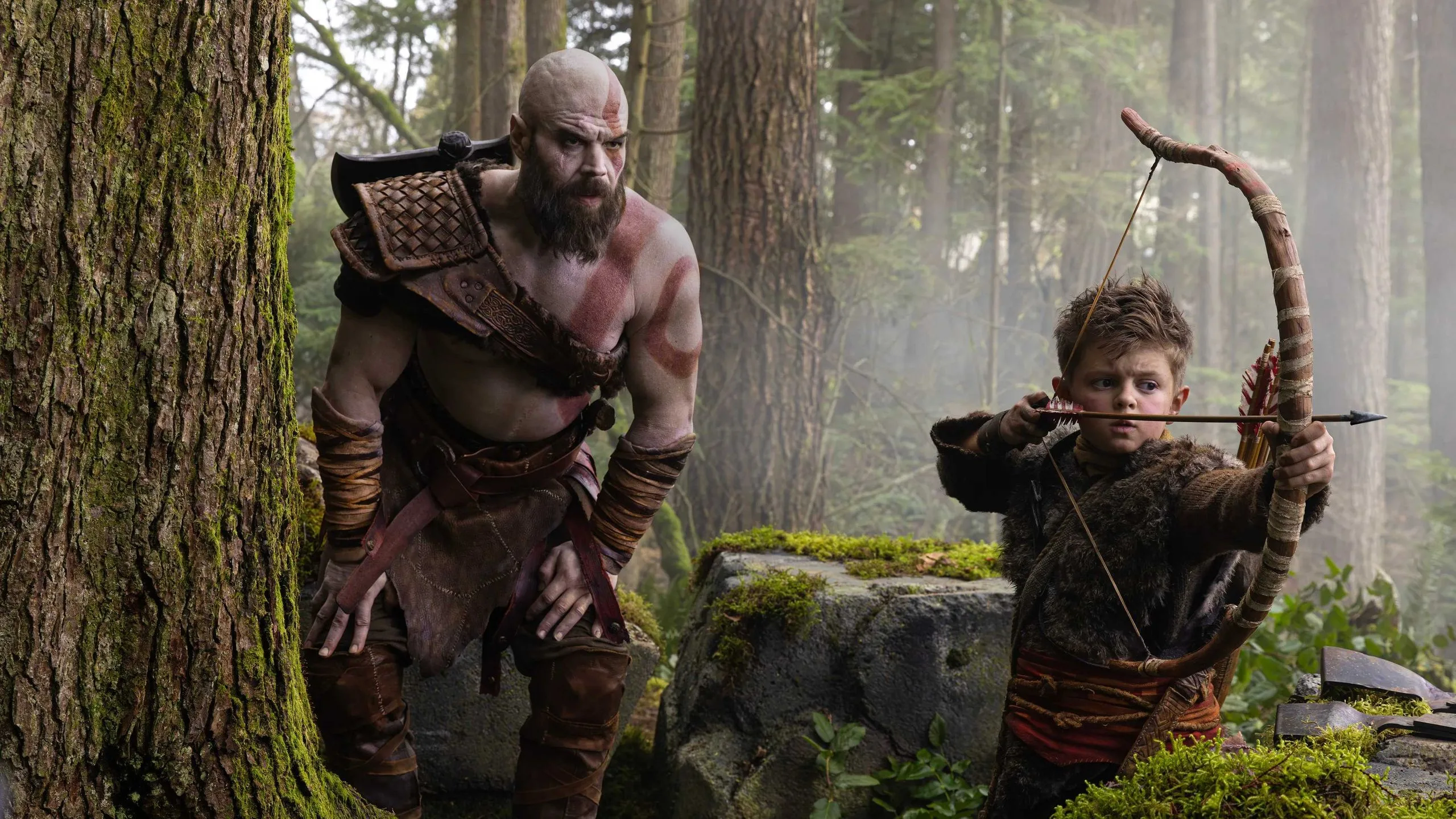
The news hit like a Leviathan Axe to the chest. According to an exclusive report from Deadline, corroborated by multiple industry sources, Ryan Hurst, the actor chosen to embody the Ghost of Sparta in Amazon’s highly anticipated God of War series, tore his bicep on set in late June 2026. With four episodes already in the can, a grueling 4-6 month recovery ahead for the 50-year-old actor, and a young co-star literally growing too fast for the role, producers faced a brutal choice. This is not just a story about a stunt gone wrong. It is about how one injury triggered a cascade of pressures that forced Sony and Amazon to scrap millions of dollars of footage and start over. Here is the full, dramatic recalculation behind the recast.
The Stunt That Broke the Production
The incident occurred on the Vancouver set during a stunt sequence. Hurst suffered a torn bicep that required surgery. Medical estimates place his recovery at 4 to 6 months before he can resume normal physical activity, with up to a full year needed to regain pre-injury strength. For an actor playing one of the most physically demanding roles in television history, that timeline was simply incompatible with the production’s schedule.
Hurst had undergone an extreme physical transformation for the part, reportedly packing on 40 pounds of muscle to match Kratos’s imposing frame. That preparation made the injury even more devastating. The actor had already completed scenes across multiple episodes, building chemistry with the supporting cast. When the injury occurred, production ground to a halt immediately. Sony Pictures Television and Amazon MGM Studios then began weighing two painful options: wait for Hurst to recover and risk the entire project stalling, or recast the lead role and reshoot everything already completed.
A Show Already on Shaky Ground
The God of War series was never on smooth terrain. Announced in late 2022 with The Wheel of Time showrunner Rafe Judkins at the helm, the project was completely restarted from scratch in late 2024 when Ronald D. Moore took over. Moore, known for Battlestar Galactica and Outlander, brought a new creative vision that required reworking the scripts and recasting some roles.
That restructuring was expensive and time-consuming, yet Amazon remained committed. The streaming service ordered two seasons to be produced back-to-back, a vote of confidence that also created immense pressure to keep the production pipeline moving without significant gaps. An already assembled cast was in place: Mandy Patinkin as Odin, Ed Skrein as Baldur, Ólafur Darri Ólafsson as Thor, Teresa Palmer as Sif, Max Parker as Heimdall, Alastair Duncan as Mimir, Danny Woodburn as Brok, Jeff Gulka as Sindri, and Sonya Walger as Freya. Reshuffling such an ensemble around a different lead would be complex but not unprecedented.
The show had already weathered one creative reboot. A second major disruption, especially one that required tossing out completed footage, risked eroding confidence among both audiences and industry observers. Yet the alternative of waiting for Hurst’s full recovery carried its own existential threat.
The Atreus Time Bomb, Why Waiting Wasn’t an Option
The most critical factor in the decision to recast rather than delay was the age of Callum Vinson, the young actor playing Atreus. Vinson’s performance was central to the story, which adapts the 2018 game’s narrative of Kratos and his son traveling across Midgard. Atreus in that game is around 11 years old, and his childlike appearance and vocal pitch are essential to the character’s portrayal.
Children age on a schedule that no production can control. A delay of 6 to 12 months could make Vinson visibly “outgrow” the role’s required look. Producers reportedly feared that if they waited for Hurst’s full recovery, Vinson would no longer pass for the young Atreus from the game’s first act. That would force an even more disruptive recast later, potentially requiring a new Kratos and a new Atreus simultaneously.
This “aging clock” is a well-known challenge for long-running series. The Harry Potter films and Stranger Things both faced similar pressures as their young actors matured faster than the characters did. Here, the two-season back-to-back order only amplified the urgency. Every month of delay pushed Vinson further from the character’s canon age. The calculus became stark: recast Kratos now, or risk losing both leads later.
The Cost of Starting Over, 4 Episodes Scrapped and a New Search Begins
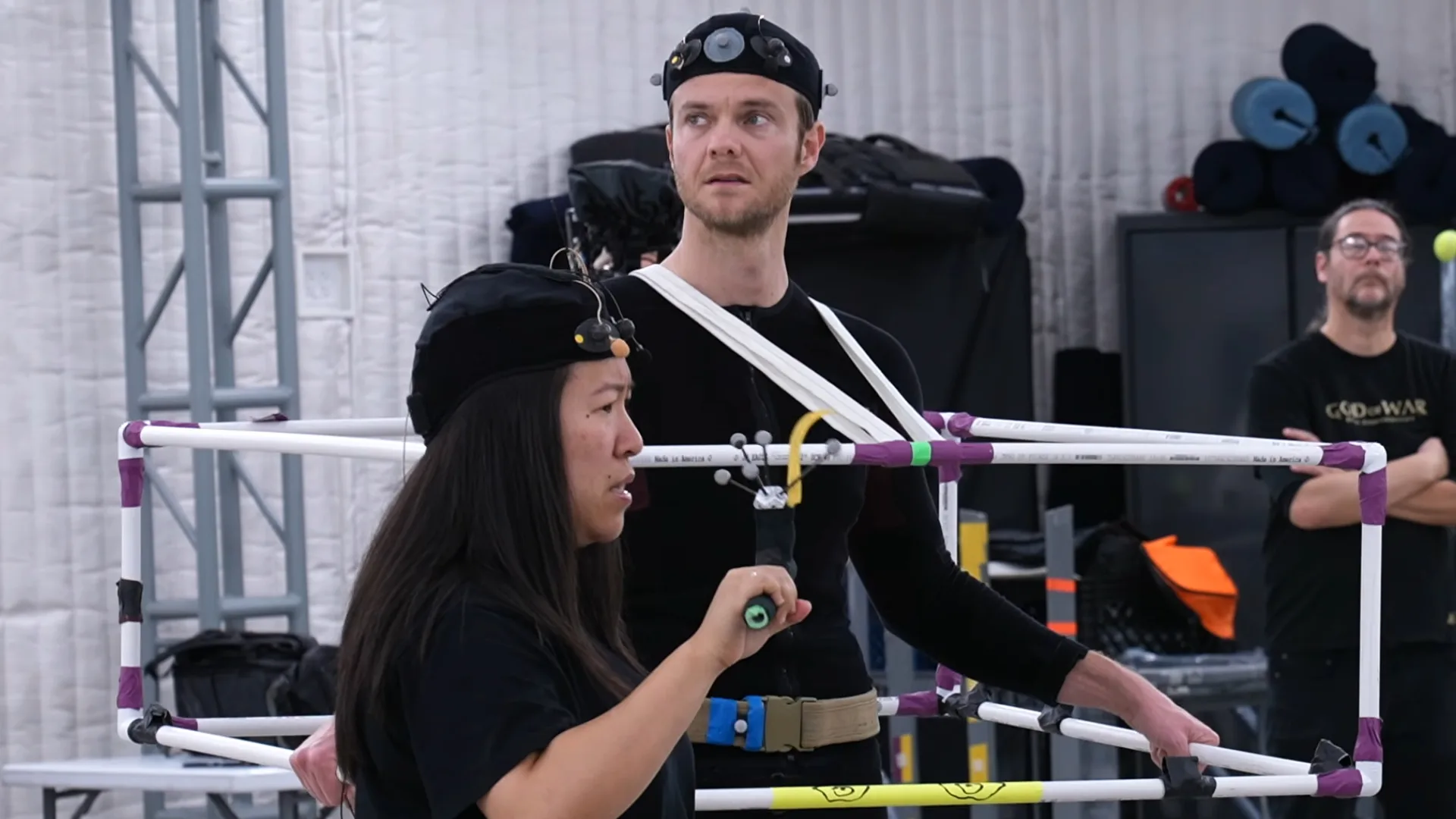
The financial and logistical reset is staggering. Four completed episodes must now be reshot with a new Kratos. That means re-staging every scene, reassembling the cast and crew, and absorbing costs that would have been saved had the injury not occurred. Production is planned to resume by mid-October 2026 with a new actor, and a casting search is already underway behind closed doors.
The delayed release is inevitable. The series, which might have premiered in late 2026 or early 2027 under original timelines, is now expected to arrive in late 2027 or even 2028. That is a far cry from the rapid rollout Amazon had envisioned when they ordered two seasons.
There is a bitter irony in Hurst’s departure. The actor voiced Thor in God of War Ragnarök (2022), earning goodwill from the gaming community. His casting as Kratos felt like a fitting nod to the games’ voice cast, making the recast even more jarring. Meanwhile, Hurst is currently appearing in Christopher Nolan’s The Odyssey, which opened the same weekend the recast news broke. That project may soften the blow for the actor, but for fans, the loss of that connection to the source material is significant.
What Happens Next, The Future of the God of War Adaptation
In the short term, production remains paused. A new actor is expected to be announced in the coming weeks as casting ramps up. The show’s reputation will inevitably take a hit with this second major restart. However, the creative team, led by Ronald D. Moore, has proven resilience with troubled productions before. Moore’s Outlander navigated pandemic delays, and Battlestar Galactica overcame a controversial miniseries to become a critical darling.
Fan expectations will be high, and the recast will draw comparisons to other high-profile role swaps in gaming adaptations. The Last of Us casting debates, while resolved early in production, showed how passionate audiences can be about their beloved characters. But the core material remains strong. The 2018 God of War game is widely regarded as one of the best stories in the medium, and the cast surrounding Kratos is still in place.
As of now, no official statements from Amazon, Sony, or Ryan Hurst have been released. All details come from Deadline’s exclusive report, corroborated by multiple industry sources. The silence may reflect the sensitivity of the situation, or simply the time needed to finalize legal and contractual arrangements.
The Reckoning That Reshapes a Legend
The decision to recast Kratos was not made lightly. It was the result of a perfect storm: a 50-year-old actor’s devastating injury, a young co-star’s ticking biological clock, a show that had already survived one creative reboot, and a two-season commitment that demanded momentum. While the loss of four completed episodes and the delay of a highly anticipated series is painful, the alternative, waiting a year, risking Atreus’s age, and losing the window of audience excitement, was simply untenable.
As Amazon and Sony begin their search for a new Ghost of Sparta, one thing is clear: bringing a legendary video game to life is never just a game. It is an exercise in managing human bodies, creative visions, and the relentless passage of time. The next Kratos will have enormous shoes to fill, not just those of the character, but those of the actor who almost became him.