Amazon Luna Shifts Strategy: What the End of Third-Party Purchases Means for Gamers
The End of an Era: What Amazon Luna is Removing Effective immediately on the announcement date, Amazon Luna ceased to function as a cloud-based marketplace aggregator. The company discontinued...

The End of an Era: What Amazon Luna is Removing
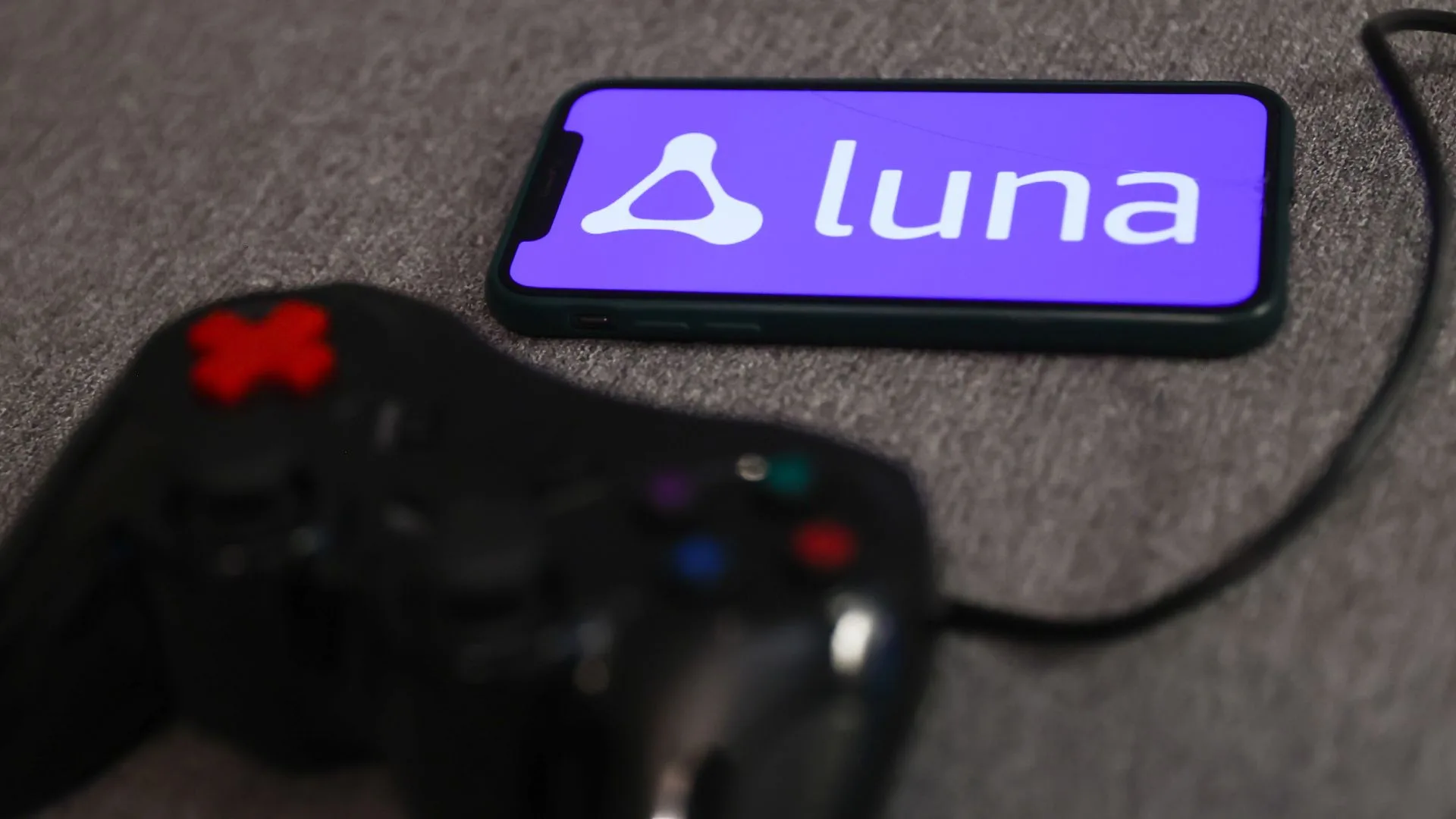
Effective immediately on the announcement date, Amazon Luna ceased to function as a cloud-based marketplace aggregator. The company discontinued several key features that once differentiated it from competitors like Xbox Cloud Gaming.
The most immediate changes were the discontinuation of all à la carte game sales and the complete removal of integrated third-party storefronts. Players can no longer browse or link accounts for the EA, Ubisoft, and GOG stores directly within Luna. Concurrently, Luna stopped acting as a retailer for third-party subscription services, ending direct sales of Ubisoft+ and Jackbox Games memberships through its platform.
The removal of features will continue through a phased "sunset" period. The innovative "Bring Your Own Library" feature, which allowed subscribers to stream games they already owned on linked EA, Ubisoft, and GOG accounts, will be terminated on June 3, 2026. Finally, on June 10, 2026, streaming access within Luna for any third-party game previously purchased through the service will be removed. After this date, those games will only be accessible via their native PC launchers.
Navigating the Transition: A Guide for Affected Users
For current Luna users, this shift necessitates immediate attention. Those with active Ubisoft+ or Jackbox Games subscriptions purchased via Luna will see them automatically canceled after one final renewal cycle. To continue those services, users must resubscribe directly with the providers.
The most critical action item revolves around save data. Amazon has established a 90-day window after the June 10 cutoff for users to download their save files for affected games. However, the company includes a significant caveat: it cannot guarantee that this downloaded data will be compatible or transferable to other platforms or services. This underscores a persistent pain point in the fragmented PC gaming ecosystem.
In terms of financial recourse, Amazon has stated there will be no refunds for past third-party game purchases, as access is not being revoked but merely shifted back to the original publisher’s platform. As a goodwill gesture, the company has announced it will offer a free membership to Luna Premium to some affected users, with details to be communicated after the June 10 transition.
Amazon's New Vision: Consolidation Around Core Subscriptions
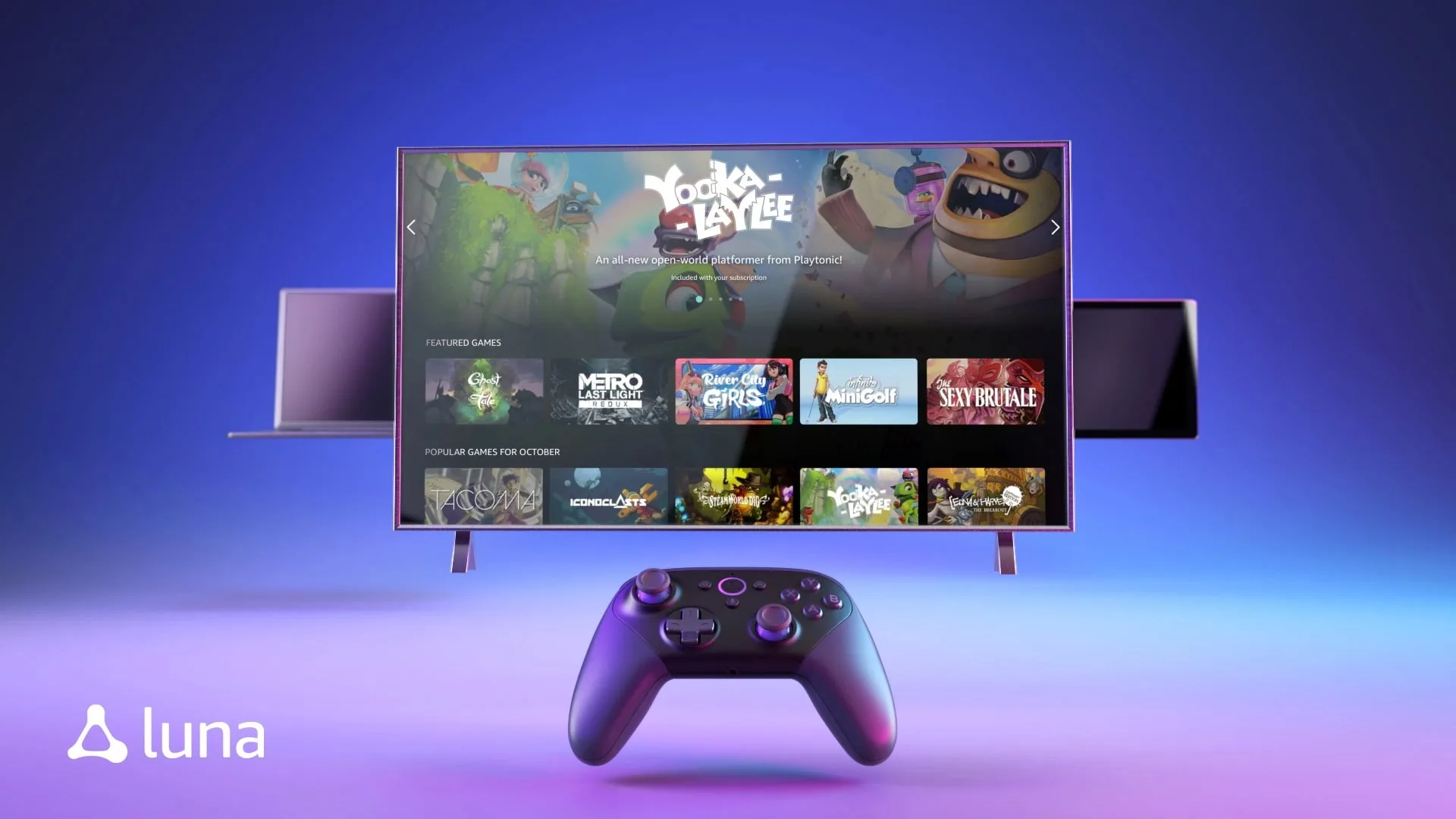
So, what is Luna becoming? The strategy is now crystal clear: a consolidation around its two core subscription tiers. The focus will be solely on the rotating catalog of Luna Standard (included with an Amazon Prime membership) and the expanded library of Luna Premium.
Major third-party titles that were previously available for individual purchase or through linked subscriptions are being folded into this new structure. Games like EA FC 26, Madden NFL 26, Fallout 4, and Death Stranding Director's Cut will shift to being available exclusively through the Luna Premium subscription catalog.
Amazon’s stated rationale, as communicated to users, is a desire to simplify access and prioritize a "steady flow of new content" based on player feedback. This move aligns with a broader recalibration of Amazon’s gaming ambitions. It signals a pivot away from competing directly with entrenched storefronts like Steam or the Epic Games Store and towards leveraging Amazon’s strengths in subscription services and curated experiences. This is evident in the promotion of features like GameNight, the party game collection launched in late 2025, which epitomizes the "easy," social, all-in-one-box experience Amazon now seems to prioritize.
Analysis: Streamlining Service or Limiting Choice?
This strategic shift presents a classic case of platform evolution with clear trade-offs. On one hand, the potential benefits for a certain type of user are tangible. Consolidating major titles into Luna Premium creates a more unified, Netflix-like experience. The value proposition of the Premium tier becomes clearer and potentially stronger, offering a single monthly fee for a broad, managed catalog. It simplifies decision-making and could allow Amazon to invest more heavily in securing consistent, high-quality content for subscribers.
On the other hand, the drawbacks are significant and explain the overwhelmingly negative sentiment (0.92) detected in initial community analysis. The move represents a substantial loss of flexibility. Players who preferred to purchase specific titles outright, building a permanent cloud-accessible library, have lost that option on Luna. The vision of a unified cloud portal for a user’s fragmented PC library—a key differentiator with the "Bring Your Own Library" feature—has been abandoned. This reinforces the industry-wide debate about the subscription model's long-term implications, where access is privileged over ownership, and your library exists only as long as your monthly payment and licensing agreements continue.
Amazon Luna’s 2026 pivot is a definitive bet on the subscription future. By closing its gates as an aggregator, it has chosen to cultivate a curated garden rather than an open platform. The critical question for the industry now is whether other services will follow suit, making the 'Netflix of games' model not just an option, but the only path forward for cloud streaming.