Amazon Ends Maverick Games Deal: What the Publishing Split Means for the Forza Horizon Rival
The Deal That Derailed: Amazon and Maverick's Short-Lived Partnership The partnership began with considerable fanfare in May 2024. Amazon Games announced it would publish the debut title from...

The Deal That Derailed: Amazon and Maverick's Short-Lived Partnership
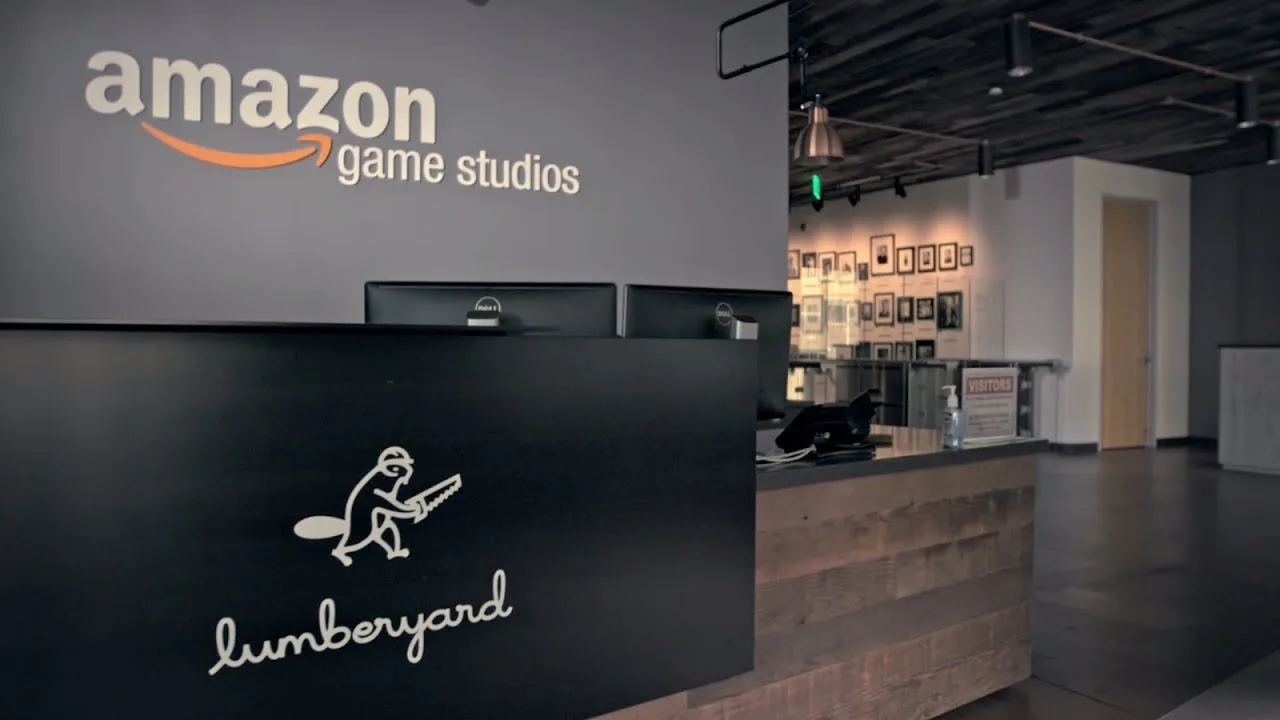
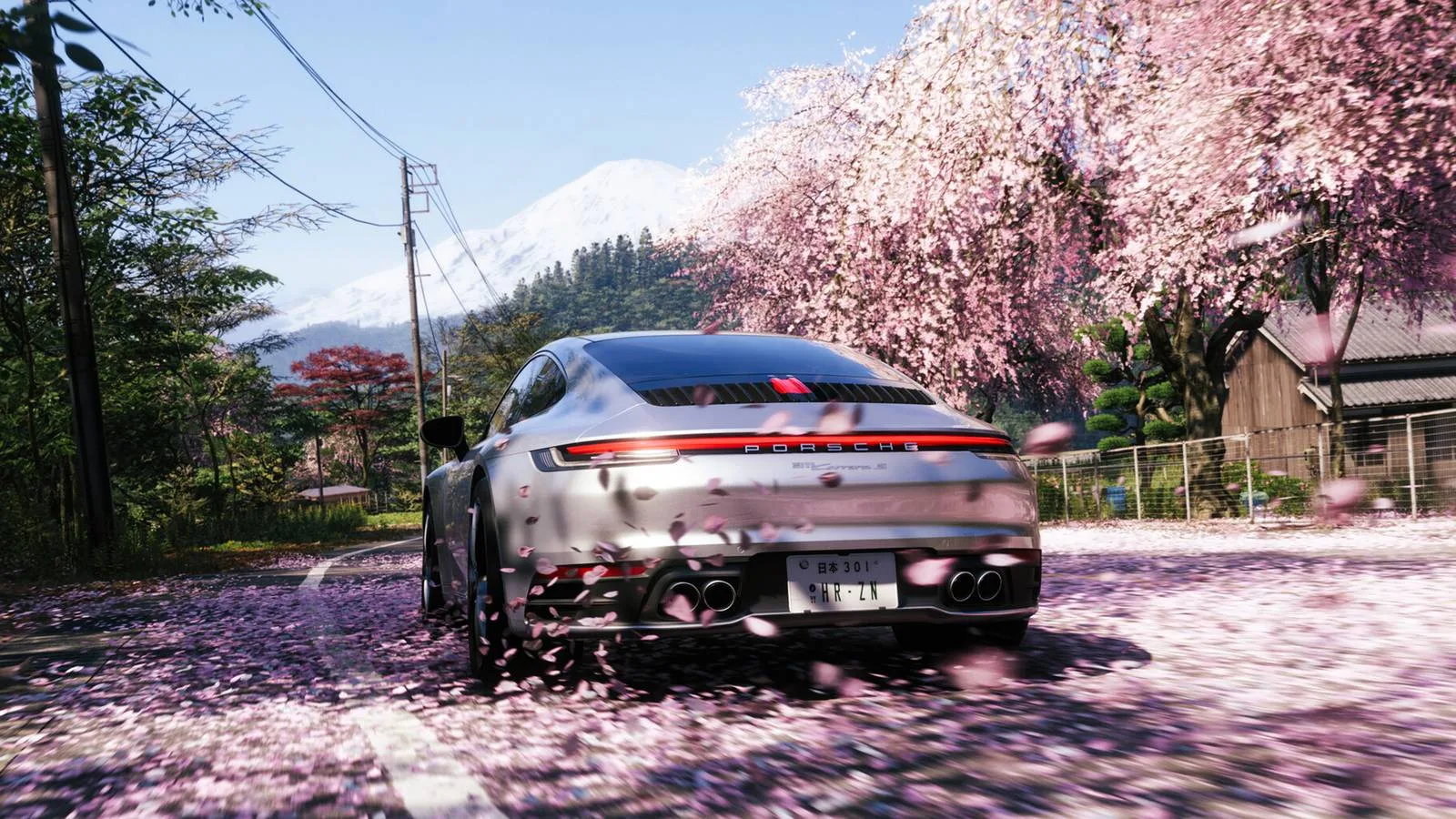
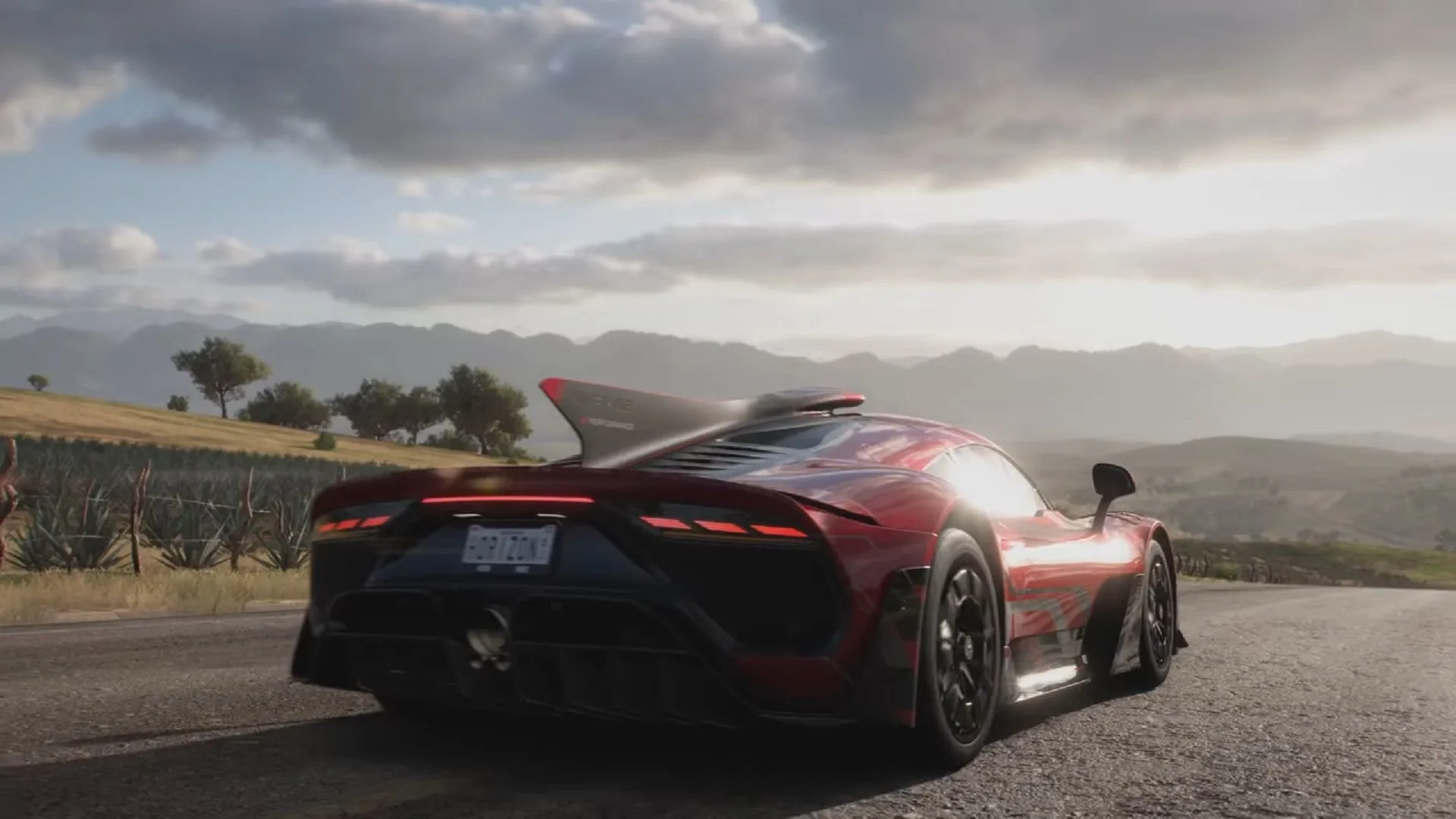
The partnership began with considerable fanfare in May 2024. Amazon Games announced it would publish the debut title from Maverick Games, a union that seemed to marry corporate scale with proven creative pedigree. The project was an unannounced, narrative-led, open-world driving game for PC, PlayStation 5, and Xbox Series X/S—a formula that immediately drew comparisons to, and positioned it as a potential rival for, the Forza Horizon franchise.
Less than two years later, Amazon pulled the plug. The company cited a "strategic evolution" as the reason, stating it would now focus resources on initiatives that leverage its "unique strengths and scale," specifically name-checking its cloud gaming platform Luna and its high-profile partnership with Crystal Dynamics on new Tomb Raider games. In a notable piece of corporate framing, Amazon presented the termination as providing Maverick "flexibility" to find a publisher with better-aligned strategic priorities. This language of benevolent "flexibility" stands in stark contrast to the concrete reality of a terminated contract, leaving a studio mid-development to secure new funding and distribution.
Maverick Games: Standing Firm Amid the Storm
For Maverick Games, the split is a disruption, but not a derailment. The studio, founded in 2022 in Royal Leamington Spa by former core members of Playground Games—including creative director Mike Brown—and former SEGA Hardlight studio head Harinder Sangha, is built on a foundation of racing game expertise.
Crucially, the studio has responded with resilience. In its statement, Maverick confirmed that development on the game is "progressing as strongly as planned." With the project approximately three years into development and the studio comprising fewer than 50 employees, the team remains focused. They are in "active dialogue" with other potential publishing partners and, in a strong signal of confidence, are still hiring for key roles. The mission now is to navigate the complex process of finding a new publishing home without losing creative momentum—a significant challenge for any studio at this stage of production.
Amazon's Gaming Reckoning: A Pattern of Strategic Retreat
The termination of the Maverick deal is not an isolated event but the latest symptom of a broader strategic retreat within Amazon Games that began in late 2025. This period has been marked by a clear scaling back of internal development and publishing ambitions.
The evidence is mounting. Amazon recently shut down development on New World: Aeternum, a planned console version of its MMO. More damning was the early April 2026 closure of the co-op party game King of Meat, which proved to be a major commercial failure. Reports indicated it peaked at a mere 320 concurrent Steam players, catastrophically missing internal expectations of over 100,000. This retrenchment was further underscored by the departure of Amazon Games Studios head Christoph Hartmann just a month prior to the Maverick news.
These moves paint a picture of a division streamlining its operations after costly missteps. The contrast is clear: while scaling back on original projects like Maverick’s and shutting down underperformers, Amazon is doubling down on its partnership with Crystal Dynamics for Tomb Raider—a known, bankable IP that arguably carries less risk than betting on a new studio’s original concept.
The Road Ahead: Implications for the Game and the Industry
The immediate question is: who could step in to publish Maverick’s game? Potential suitors must not only provide funding and marketing muscle but also genuinely understand the project’s specific scale and narrative-driven, open-world vision. Logical candidates include established publishers looking to bolster their racing portfolios. Electronic Arts could see value in a narrative-focused driving game to complement the arcade-style Need for Speed franchise. Take-Two Interactive might view it as an opportunity to expand its racing footprint beyond the vehicular elements of Grand Theft Auto. Even Netflix Games, in its pursuit of flagship AAA titles, could emerge as a dark horse contender.
This event serves as a case study in the risks for talented new studios that align with major platform-holder or tech-giant publishers. While the initial deal offers security and visibility, strategic pivots at the corporate level can leave projects abruptly orphaned. The industry is witnessing a period of consolidation and cautious investment, where even projects with stellar pedigrees are not immune to broader portfolio adjustments.
However, there is a potential silver lining. Freed from Amazon’s evolving priorities, Maverick may now find a publisher for whom this game is a central strategic pillar, not a peripheral experiment. A more dedicated partner could offer greater focus and potentially better serve the game’s niche as a story-focused driving experience, rather than it being one title among many in a vast corporate portfolio.
Conclusion
Amazon's withdrawal is a significant disruption, but the project's fate is far from sealed. The narrative now shifts from the instability of corporate strategy to the resilience of creative vision. Maverick's challenge is to translate its proven pedigree and continued development progress into a new partnership that aligns with its ambitions. This split underscores a broader industry lesson: in an era of corporate consolidation, the alignment between a studio's creative goals and a publisher's long-term commitment is more critical than ever. With the studio aiming to share more information later in 2026, the path forward, while uncertain, remains open.
Tags: Amazon Games, Maverick Games, Game Development, Publishing, Forza Horizon