AI Voices in Gaming: How Embark Studios' Controversy and Response Reflects Industry Growing Pains
When Embark Studios launched its PvPvE extraction shooter Arc Raiders , player backlash over its AI-generated voices forced an unusual public retreat. The studio didn't just patch the game; its...

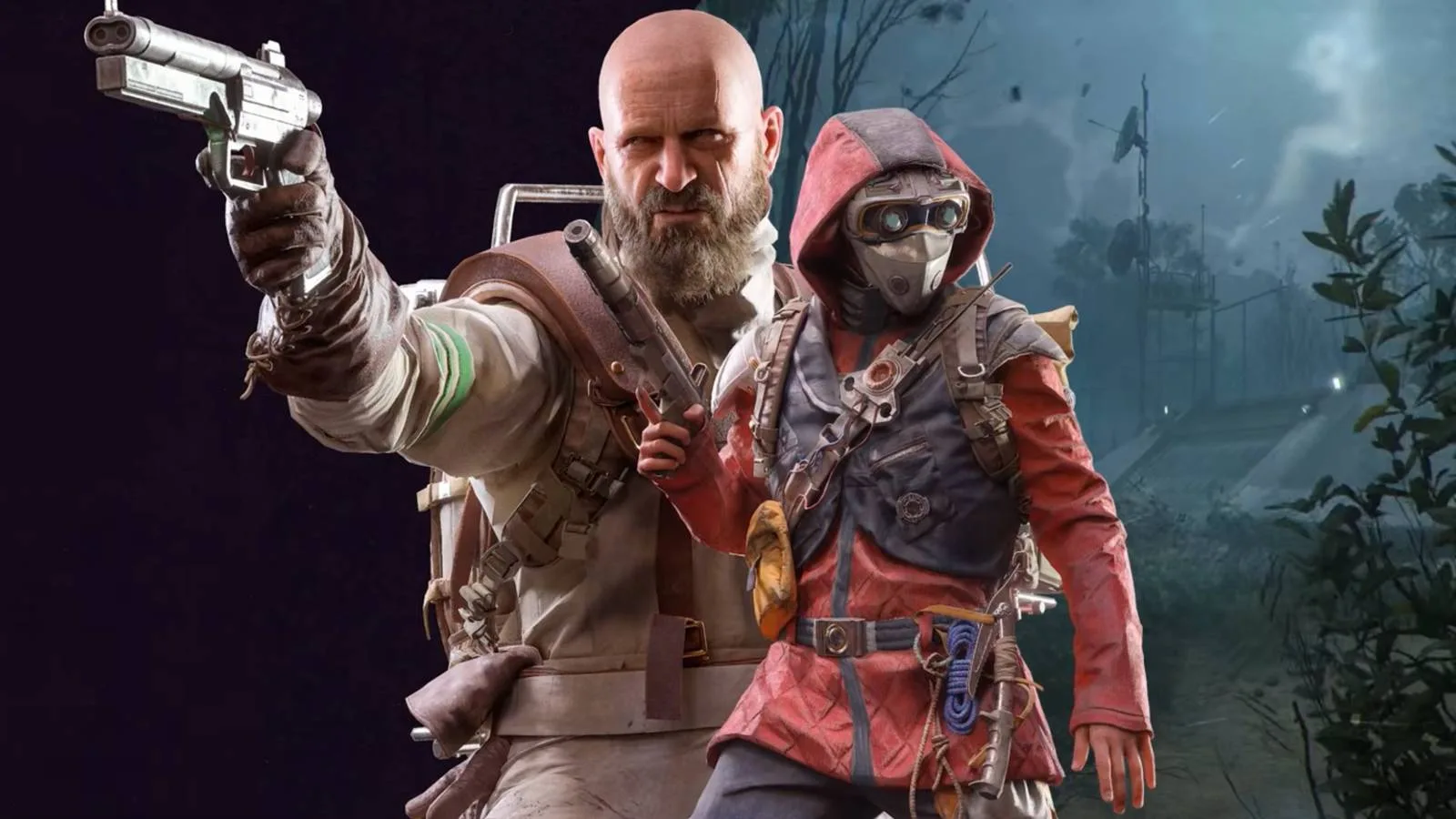
When Embark Studios launched its PvPvE extraction shooter Arc Raiders, player backlash over its AI-generated voices forced an unusual public retreat. The studio didn't just patch the game; its leadership made a candid admission that cut to the heart of the industry's AI debate. Studio head Patrick Söderlund stated plainly, "A real professional actor is better than AI; that's just how it is." This moment, prompted by a "clear quality difference" observed post-launch, transforms Arc Raiders from another live-service launch into a pivotal case study. It lays bare the practical realities, ethical dilemmas, and unresolved questions facing every studio as powerful AI tools become more accessible.
The Arc Raiders AI Voice Controversy: What Happened?
The issue came to light shortly after Arc Raiders entered the arena. Players quickly identified certain voice lines, particularly those in the in-match communication ping system (quick, contextual alerts), as having the tell-tale flatness and unnatural cadence of AI text-to-speech (TTS). The backlash was swift, drawing immediate parallels to the same criticism leveled at Embark's previous hit, The Finals.
Embark's initial justification was rooted in practical live-service development. The studio argued that using AI TTS for placeholder lines and iterative systems—like a ping system that might need frequent tweaks and additions—was a matter of efficiency. This logic framed AI not as a final product, but as a flexible tool for development agility during testing and prototyping.
The significant shift came post-launch. Responding to consistent feedback, Embark re-recorded those contentious lines with professional voice talent. This move was more than a simple patch; it was a public concession that the initial tool-based approach had compromised the final player experience. Söderlund's frank quote cemented this, acknowledging the superior quality human performance brings to a narrative and immersive experience—a quality that current AI cannot authentically replicate.

Embark's Stance: AI as a Tool, Not a Replacement
Beyond the reactive fix, Embark has been articulate in defining its philosophy toward AI. The studio consistently describes it as a "production tool," emphasizing its role in prototyping and iteration. To address ethical concerns, Embark has stated that it compensates voice actors for two things: their initial studio time for recordings, and for licensing their voice data to train the studio's internal TTS tools. This distinction is crucial to their argument—they position it as actors contributing to a tool that aids development, not as having their performances wholly synthesized without ongoing involvement.
This philosophy attempts to draw a line in the sand. Söderlund further clarified the scope by noting that "very little of Arc Raiders' landscapes are AI-generated," with effort focused instead on improving traditional artist tools. This stands in stark contrast to more aggressive industry statements, such as the 2023 claim from Nexon CEO Junghun Lee (Embark's publisher) that AI use was already "widespread" in game development—a remark that sparked concern from developers worldwide. Embark's public stance appears more measured, positioning AI as an assistant for efficiency rather than a wholesale replacement for human artistry in core creative domains.
Clarifying the "AI" in AI Enemies: Behavior vs. Navigation
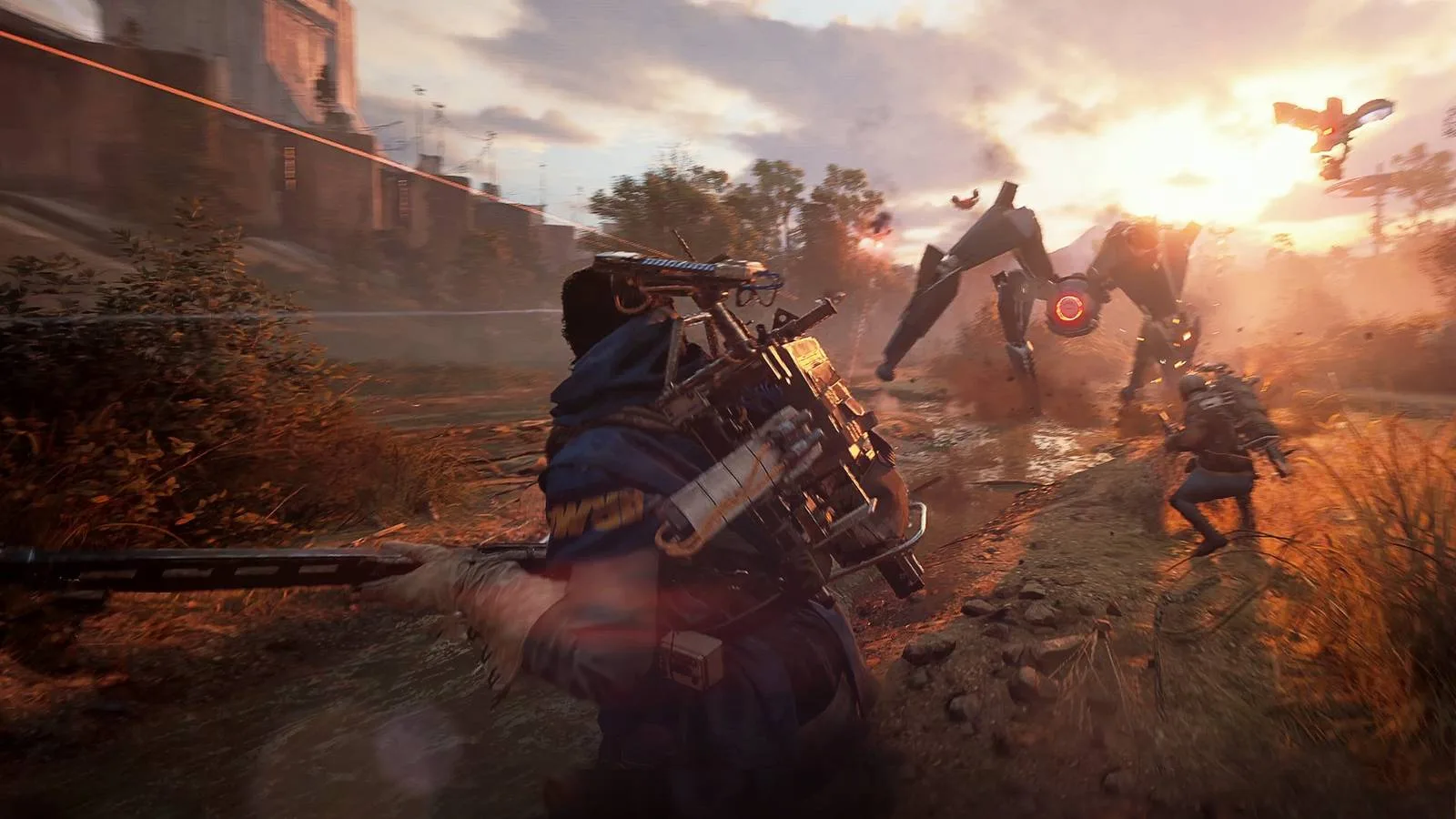
The debate over AI voices inevitably bled into questions about Arc Raiders' other promised 'AI' feature: its enemy units. In a PvPvE (Player vs. Player vs. Environment) extraction shooter, the behavior of these NPCs is fundamental to the challenge. To prevent misunderstanding, Embark's design lead, Virgil Watkins, moved quickly to clarify a critical distinction.
He explained that any machine learning is used "solely for teaching enemies to walk and navigate" complex terrain, not for combat intelligence. The enemy updates players have encountered are based on traditional game development practices: refining path-finding algorithms, fixing bugs, and tuning stats. They are not analyzing player behavior to evolve new strategies in real-time. This separation confines the use of advanced AI to a back-end, animation-related task, while the gameplay-facing "AI" remains a scripted, predictable set of systems.
The Road Ahead: Updates, Industry Trends, and Unanswered Questions
Embark is now looking forward, with a 2026 roadmap for Arc Raiders that includes a new Hurricane Map Condition in February and the major Riven Tides update in April, promising new threats and environments. Yet, the shadow of the AI debate lingers over the entire industry.
The 2024 Game Developers Conference (GDC) solidified AI as one of the most dominant—and divisive—topics. Panels and surveys revealed a landscape of excitement, anxiety, and profound uncertainty. Embark's experience with Arc Raiders crystallizes the core questions at the heart of that conference: Where is the acceptable line for AI in creative processes? Can the drive for iterative efficiency truly coexist with uncompromised quality and ethical employment for artistic professionals?
Embark's response—implementing AI, facing quality-based backlash, and reverting to human talent—may establish a template. It suggests a potential industry pattern where AI is used as an internal scaffold during construction, but the final touchpoints with the player, especially those involving narrative and human emotion, remain firmly in the hands of people. The episode is a live test of whether "AI as a prototyping tool" is a sustainable principle or a slippery slope.
Embark Studios' journey with Arc Raiders is a microcosm of the industry's awkward dance with AI. It highlights a lesson relearned with each new technological wave: while AI is a powerful tool for augmentation and acceleration, the nuance and soul of human creativity in storytelling and performance remain irreplaceable—for now. The clear quality difference heard by players and acknowledged by Embark's leadership is a powerful reminder. Technology can augment, but the unpredictable spark of human craft is not yet a feature that can be coded.
Tags: AI in Gaming, Game Development, Embark Studios, Arc Raiders, Voice Acting