007: First Light Nintendo Switch 2 Delay Explained: Release Window, Developer History, and Industry Context
The Official Announcement and New Timeline Confirmation came directly from the source. IO Interactive and the official 007: First Light social channels announced that the Nintendo Switch 2 port would...

The Official Announcement and New Timeline
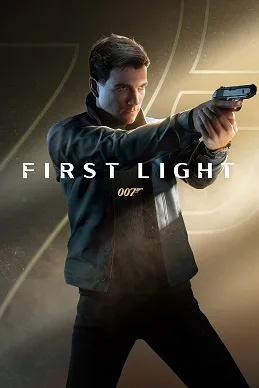
Confirmation came directly from the source. IO Interactive and the official 007: First Light social channels announced that the Nintendo Switch 2 port would not be ready for the global launch on May 27, 2026. Instead, it is now slated for a release “later this summer,” effectively pushing it into a Q3 2026 window. The studio’s statement was characteristically focused on the player experience, noting the goal was to deliver “the best game experience possible across all platforms” without delving into specific technical hurdles.
This marks the second delay for 007: First Light, albeit the first platform-specific one. The game was originally announced for a March 27, 2026, release before being pushed back by two months for all platforms. This latest decision isolates the Switch 2 version, suggesting the challenges are unique to that platform’s architecture or performance profile. For Switch 2 owners anticipating a day-one experience, the wait has been extended, with the promise of a more polished product arriving a few months down the line.

IO Interactive's History with Nintendo Switch 2
To understand IO Interactive’s caution, one need only look at its recent track record on the platform. The studio’s previous release on the Switch 2 was Hitman World of Assassination, a comprehensive package of its acclaimed stealth trilogy. While a commendable port of a demanding PC and console experience, its launch was reportedly marred by technical problems, including performance inconsistencies and visual compromises that were later addressed through post-launch patches.
This experience is almost certainly informing the studio’s strategy for 007: First Light. Having navigated the complexities of bringing its proprietary Glacier engine to the hybrid hardware once before, IO Interactive appears determined to avoid a repeat. The delay for Bond suggests a conscious, quality-focused decision to allocate more time for optimization, aiming to ship a version that meets their standards without requiring a significant post-launch salvage operation. It’s a lesson learned the hard way, now being applied to a flagship new IP.
007: First Light - A New Vision for Bond
The ambition of 007: First Light itself adds critical context to the delay. This is not a simple port of an existing game; it is a ground-up reimagining of the Bond mythos. Featuring a new cast led by Patrick Gibson as a young Bond, the game promises to blend IO Interactive’s DNA of meticulous, sandbox stealth with a more cinematic, traversal-heavy action style. The studio has cited inspirations like Uncharted and Batman: Arkham, pointing towards set-piece-driven narrative moments and fluid, free-flowing combat.
Perhaps most significantly, 007: First Light will be IO Interactive’s first title to include drivable vehicles, a cornerstone of the Bond fantasy. This introduces an entirely new layer of technical complexity involving physics, large-scale environments, and seamless transitions between gameplay styles. Ensuring this ambitious blend of stealth, hand-to-hand combat, gunplay, and driving runs smoothly on any platform is a tall order. For the Switch 2, with its unique mobile-to-docked performance scaling, the task is even more formidable, justifying a dedicated optimization period.

A Broader Pattern for Switch 2 AAA Games
The delay of 007: First Light on Switch 2 is not an isolated incident but part of a growing industry narrative. Reports and analyst commentary have consistently highlighted the unique optimization hurdles third-party AAA titles face on the platform. This pattern is fueled by industry chatter—such as rumors suggesting extended development timelines for potential ports of major titles—that underscores a central challenge for Nintendo’s successor: achieving parity.
The Switch 2, while a significant leap over its predecessor, is still a hybrid console. Demanding AAA games built for the raw power of the PS5, Xbox Series X, and high-end PCs require substantial re-engineering to run effectively on its mobile chipset. For third-party studios, this often means extra months of dedicated development time, difficult compromises on visual fidelity, or, in some cases, a business decision to forgo the port entirely. The delay of 007: First Light is a visible, confirmed symptom of this industry-wide optimization challenge that was well-documented throughout the lifecycle of the original Nintendo Switch.
Conclusion
The delay, while disappointing for Nintendo fans, appears to be a strategically sound answer to the question posed at the outset. It is a decision forged by IO Interactive’s own past technical struggles on the platform, amplified by the ambitious new mechanics of the Bond game itself, and set against a backdrop of similar third-party deliberations. For a studio launching a potential franchise-defining title, the priority must be quality and reputation. A simultaneous launch is ideal, but a summer 2026 release window now stands as a target for a more polished, complete experience. In the high-stakes world of game development and the enduring legacy of James Bond, getting it right the first time is the only mission that truly matters.
Tags: 007: First Light, Nintendo Switch 2, IO Interactive, Game Delay, Third-Party Games