Pokémon FireRed and LeafGreen Switch Release: Everything You Need to Know About the 2026 Re-Release
The Reported Plan: What's Slated and When The leaked document points to a strategically timed reveal for maximum impact. The plan indicates a target announcement following the annual Pokémon Presents...

The Reported Plan: What's Slated and When
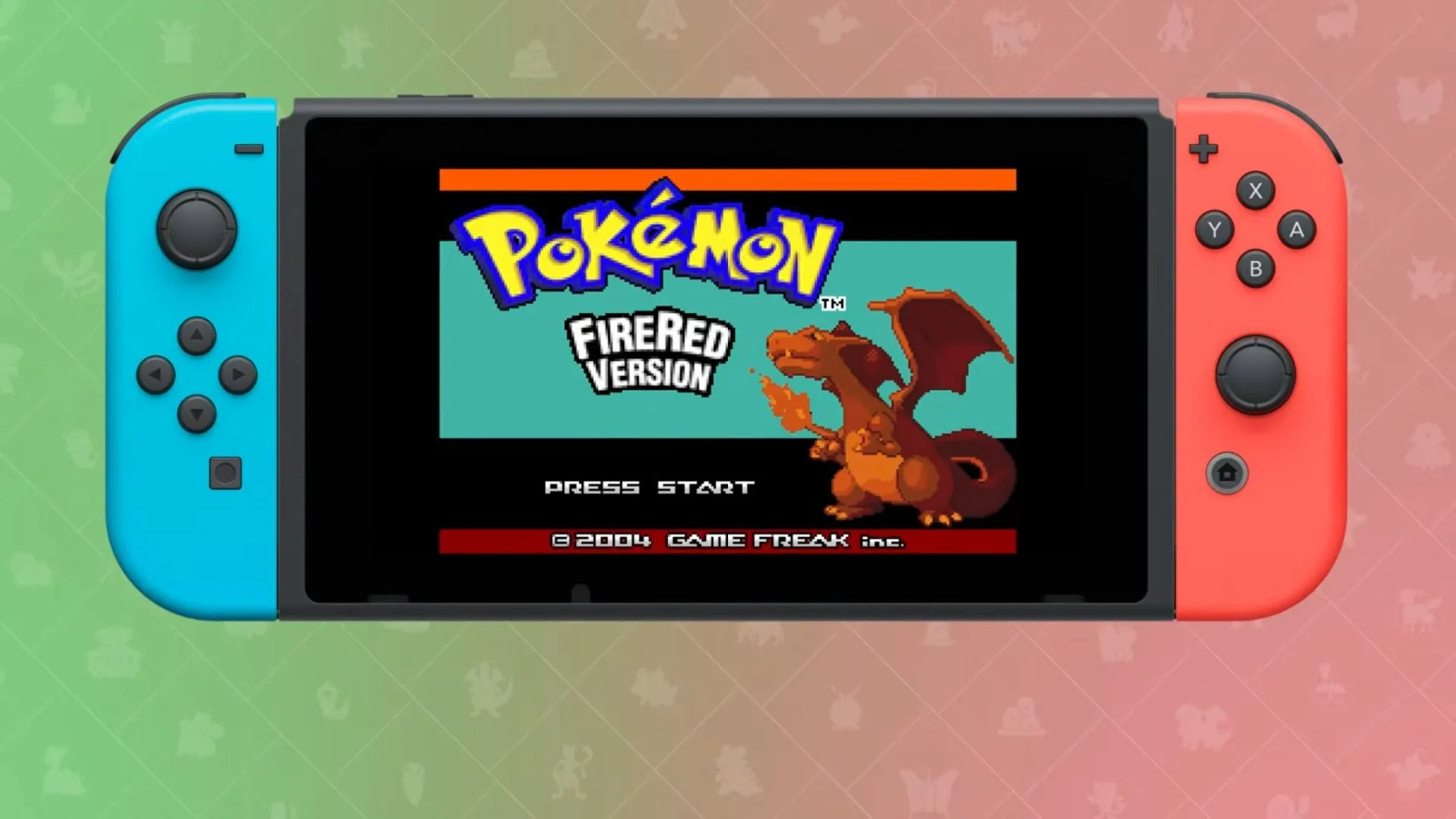
The leaked document points to a strategically timed reveal for maximum impact. The plan indicates a target announcement following the annual Pokémon Presents broadcast on February 27, 2026, with a potential launch on the Nintendo eShop shortly thereafter.
This date is far from arbitrary. February 27 is celebrated annually as Pokémon Day, commemorating the original Japanese release of Pokémon Red and Green in 1996. The 2026 iteration will mark the 30th anniversary of the entire franchise, making the potential re-release of these iconic Game Boy Advance remakes a likely centerpiece of the celebrations. The plan also suggests a simultaneous launch on both the current Nintendo Switch and its successor, the Nintendo Switch 2, ensuring accessibility across the hardware generation.
Not on NSO: The Proposed Standalone Release Model
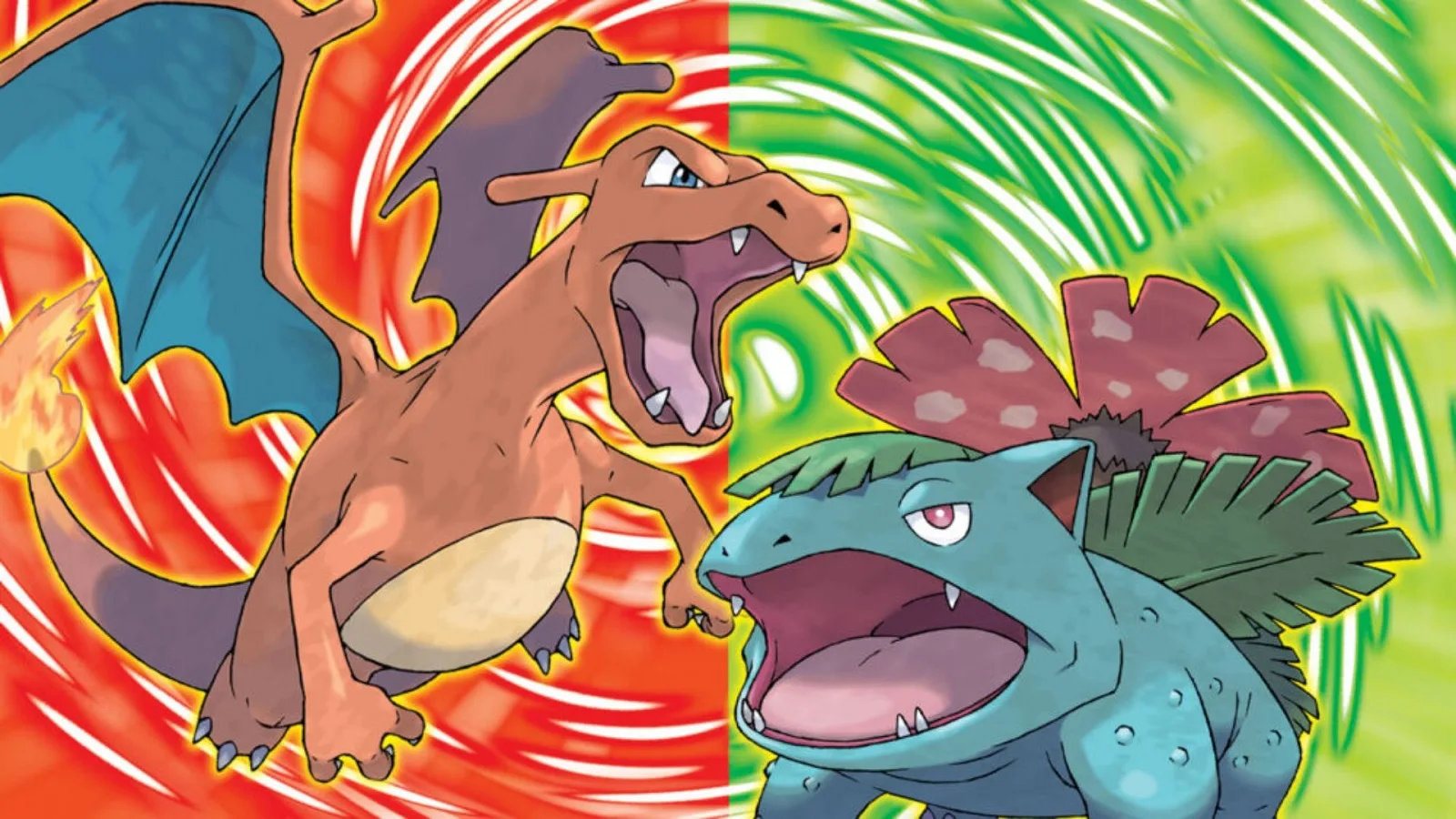
This is the most significant aspect of the reported strategy. Contrary to widespread fan speculation, the plan outlines that Pokémon FireRed and LeafGreen would not be added to the Nintendo Switch Online + Expansion Pack’s Game Boy Advance library. Instead, they would be treated as premium, download-exclusive standalone titles.
The document lists a target price of $19.99 USD / £16.99 GBP for each game, sold separately. This model would represent a clear strategic shift. By opting for direct sales over inclusion in a subscription service, Nintendo and The Pokémon Company would be positioning these as permanent purchases. For players, this could mean guaranteed, perpetual access regardless of their NSO subscription status. For the companies, it likely translates to a higher potential revenue share per unit and allows them to capitalize directly on the immense, enduring value of the Pokémon IP. It’s a potential statement that some classics are considered evergreen products worthy of their own shelf space, even in a digital storefront.
What's in the Game: Reported Features and Connectivity
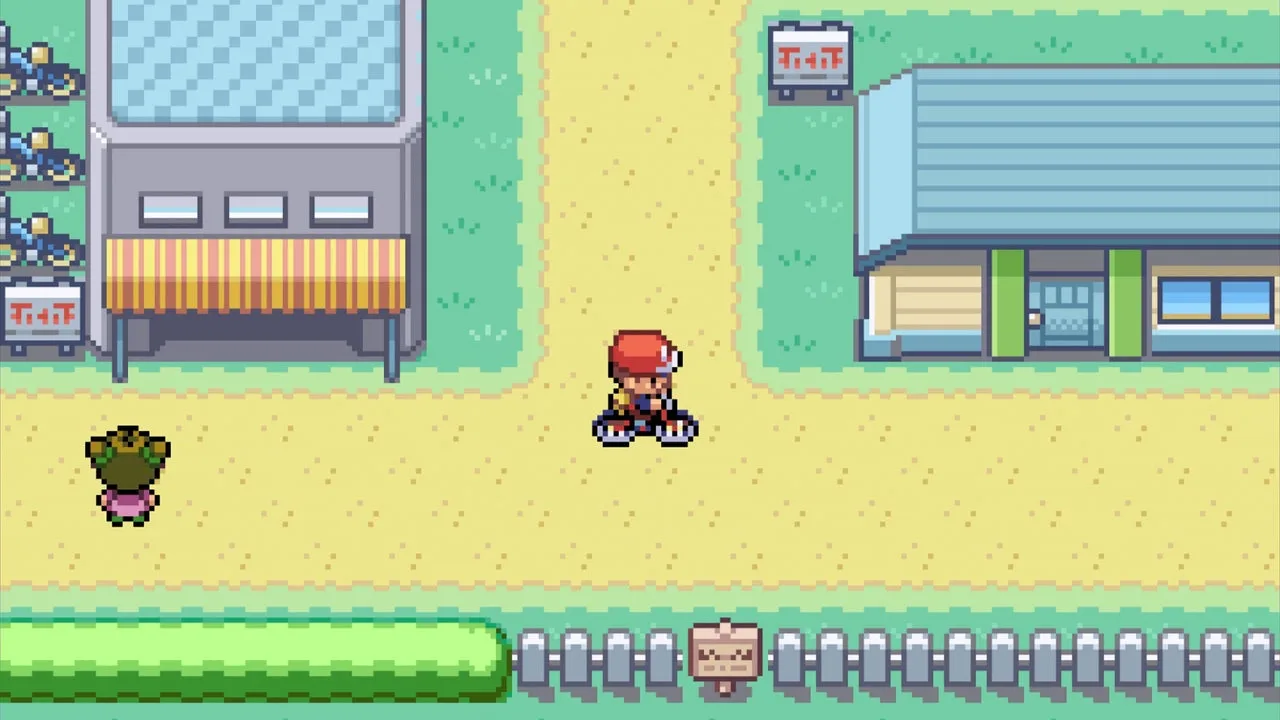
For purists, the content outlined in this plan will be a welcome sight. It describes a faithful digital conversion of the original 2004 Game Boy Advance games, not a reimagining. Players could expect the complete package:
- The full Kanto region campaign from Pallet Town to the Indigo Plateau.
- The expansive Sevii Islands post-game area.
- The original Pokémon Wireless Club features, enabling local wireless trading, battling, and chatting with other players.
However, this faithfulness reportedly extends to its connectivity limitations. The plan indicates that online functionality would not be supported. Trading and battling would work exclusively via local wireless play, just as they did on the GBA. The most notable omission at launch, according to the document, is compatibility with Pokémon HOME. While connectivity with the cloud storage service is noted for a potential future update, it would not be available on day one. This decision would preserve the initial, self-contained experience of the originals but may disappoint players hoping to immediately integrate their classic teams into the modern Pokémon ecosystem.
Collector's Edition and 30th Anniversary Hype
Beyond the standard digital download, the plan hints at a special treat for collectors—though with a regional caveat. A premium collector's bundle would be made available exclusively in Japan through the Pokémon Center Online store. This physical bundle, aimed at nostalgia enthusiasts, would include a display box modeled after the original Game Boy Advance game packaging, along with a set of commemorative display items.
The hype would be supported in other ways. In a move that has already delighted fans, the official 43-track soundtrack from FireRed and LeafGreen is already available to stream on the Nintendo Music app. This early release of Shota Kageyama’s iconic score helps build anticipation and frames this potential re-release as a celebratory event.
This launch is clearly positioned within the plan as a cornerstone of the broader 30th-anniversary celebrations expected throughout 2026. It would serve as both a gift to long-time fans and an accessible entry point for a new generation to experience Kanto in its definitive pre-3D form, bridging the franchise’s storied past with its multi-platform future.
The 2026 re-release plan for Pokémon FireRed and LeafGreen represents a clear, deliberate potential strategy: offering a faithful, premium-priced portal to gaming history. It would honor the franchise’s 30th anniversary by returning to a pivotal remake without altering its core, while simultaneously testing a new commercial approach for classic software. This potential move away from the subscription model for certain flagship retro titles could signal how Nintendo intends to curate and monetize its unparalleled back catalog on the Switch 2 and beyond. Whether this becomes a new standard for beloved classics or remains a special exception for Pokémon remains to be seen. If this plan holds, Pokémon Day 2026 won't just be a celebration of the past 30 years; it will offer a definitive, permanent way for every trainer to own a piece of its foundation, setting the stage for the next era of the franchise.