PlayStation's Bluepoint Closure: Inside the Leaked Memo and Sony's Studio Strategy Shift
In late February 2026, a wave of "Open to work" statuses on LinkedIn from Bluepoint Games developers signaled trouble. The cause was a leaked internal memo from PlayStation Studios' Hermen Hulst,...

In late February 2026, a wave of "Open to work" statuses on LinkedIn from Bluepoint Games developers signaled trouble. The cause was a leaked internal memo from PlayStation Studios' Hermen Hulst, confirming the studio's closure. This raised an immediate, pressing question: Why would Sony shutter an acclaimed studio it had acquired with fanfare less than five years prior?
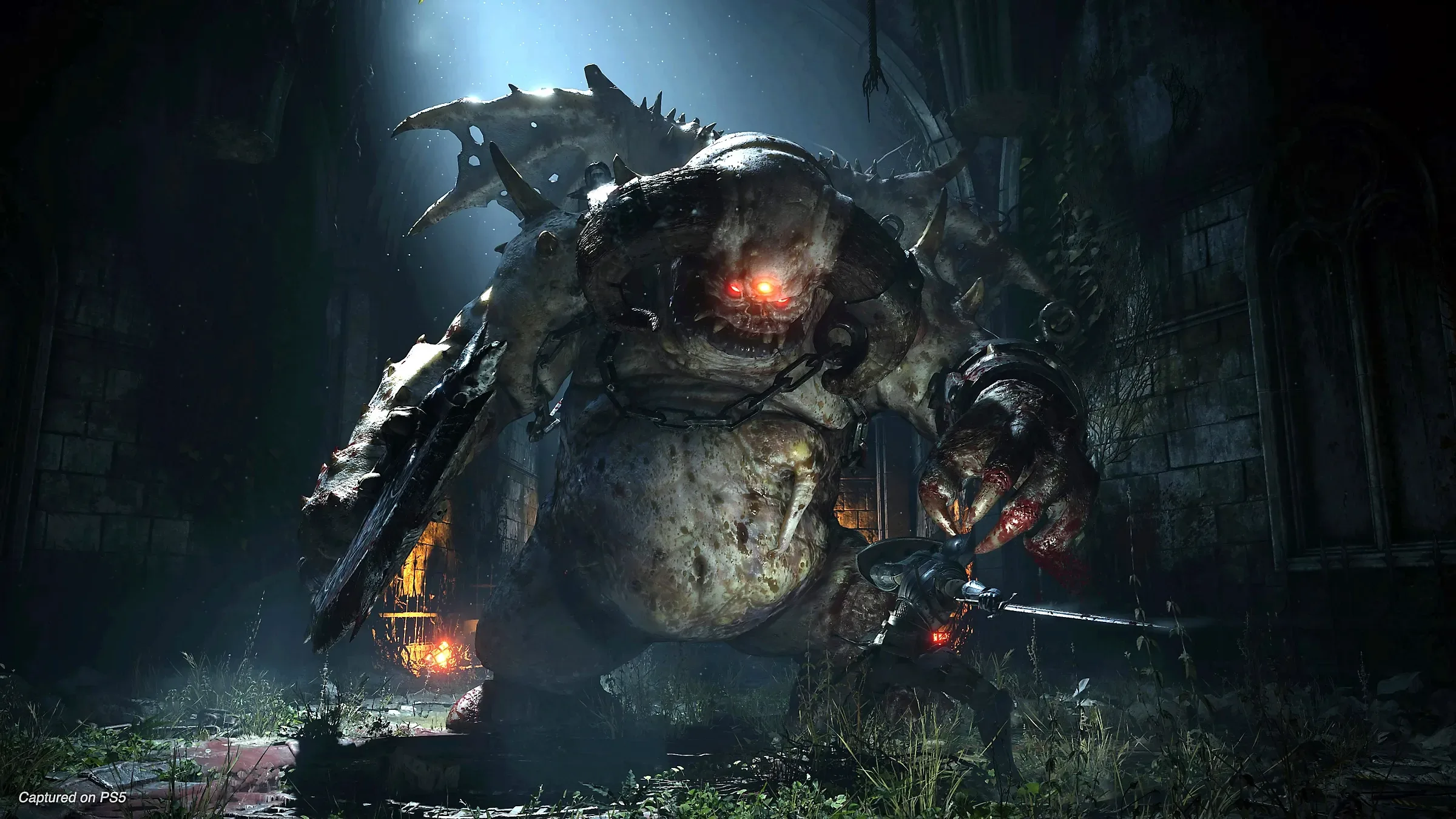
Bluepoint wasn't a struggling newcomer; it was the revered craftsman behind the stunning Shadow of the Colossus (2018) and Demon's Souls (2020) remakes—titles that defined visual fidelity and respectful reinvention. Hulst's memo points to a "challenging industry environment," but the closure of Bluepoint is far more than a single business decision. It is a critical symptom of the turbulent pressures reshaping Sony's first-party strategy and the entire AAA gaming ecosystem.
The Leaked Memo - PlayStation's Official Explanation
The internal communication from Hermen Hulst, first reported by Bloomberg's Jason Schreier, set the formal closure date for Bluepoint Games as March 2026. In corporate language, Hulst framed the decision as a necessary response to a "challenging industry environment."
Peeling back this phrasing reveals the concrete, brutal forces at play. Hulst cited rising development costs, slowed industry growth, changing player behavior, and broader economic headwinds. This isn't just PR spin; it's the reality of modern game development. Blockbuster budgets now routinely exceed $200 million, with marketing costs pushing totals even higher. Meanwhile, the post-pandemic market correction has seen growth plateau, and player engagement is increasingly fragmented across a sea of live-service titles, mobile games, and legacy libraries.
The dissonance lies in applying this rationale to Bluepoint. This was a studio operating at the peak of its technical and artistic powers, with a proven, successful business model. The official explanation, while factually accurate to industry-wide woes, feels incongruous when laid against the studio's recent output and reputation, prompting a deeper look into what truly transpired.

From Acclaimed Partner to Shuttered Studio: Bluepoint's Sony Journey
Bluepoint's story with Sony began as a fairy tale. Long before its 2021 acquisition, the Texas-based studio had built a sterling reputation as a master restorer. Their work was not simple porting; it was architectural revival, taking beloved classics like Shadow of the Colossus and rebuilding them from the ground up with breathtaking modern technology. The crowning achievement was the PS5 launch title Demon's Souls, a remake so visually and sonically impeccable it served as a system-selling tech demo. Sony's acquisition that year felt like a natural, rewarding culmination—a vote of confidence that would finally give the talented studio the security and resources to potentially create its own original hit.
The fairy tale, however, took an unexpected turn. Following the acquisition, Bluepoint embarked on a new project. As revealed by subsequent reporting, this was widely understood to be a live-service game. This project was quietly canceled in January 2025, leaving the studio without a released title for the nearly five years it operated under the PlayStation Studios banner. The studio famed for focused, polished, finite experiences had spent its post-acquisition life wrestling with the open-ended, systems-driven design of a service title—a fundamental misalignment that ultimately left it stranded without a product.
The human cost is over 70 affected employees. Hulst's memo noted PlayStation's intention to "identify opportunities for internal placement," but the flood of "Open to work" statuses tells its own story. For a team that delivered masterpieces, the end came not with a shipped game, but with a search for a new home.
A Pattern, Not an Anomaly: Sony's Broader Studio Shakeup
To view Bluepoint's closure in isolation is to miss the larger picture. It is the latest, and perhaps most poignant, data point in a sweeping PlayStation Studios contraction. In a short period, Sony has also shuttered Neon Koi, Firewalk (the developer of the ill-fated Concord), London Studio, and Deviation Games.
The thread connecting many of these closures is Sony's ambitious, and now struggling, push into live-service gaming. The cancellation of Bluepoint's service game was part of a January 2025 wave that also saw a live-service project axed at Bend Studio. This strategic pivot away from the initiative has been forced by high-profile, costly failures. The superhero shooter Concord was shut down mere months after launch. Naughty Dog's much-anticipated The Last of Us multiplayer project was canceled after years of development. Even Bungie, the live-service oracle Sony acquired for $3.6 billion, has faced severe internal challenges and missed financial projections. Bluepoint, a specialist in a different discipline, was caught in the undertow of this faltering corporate strategy.
The Ripple Effects and Unanswered Questions
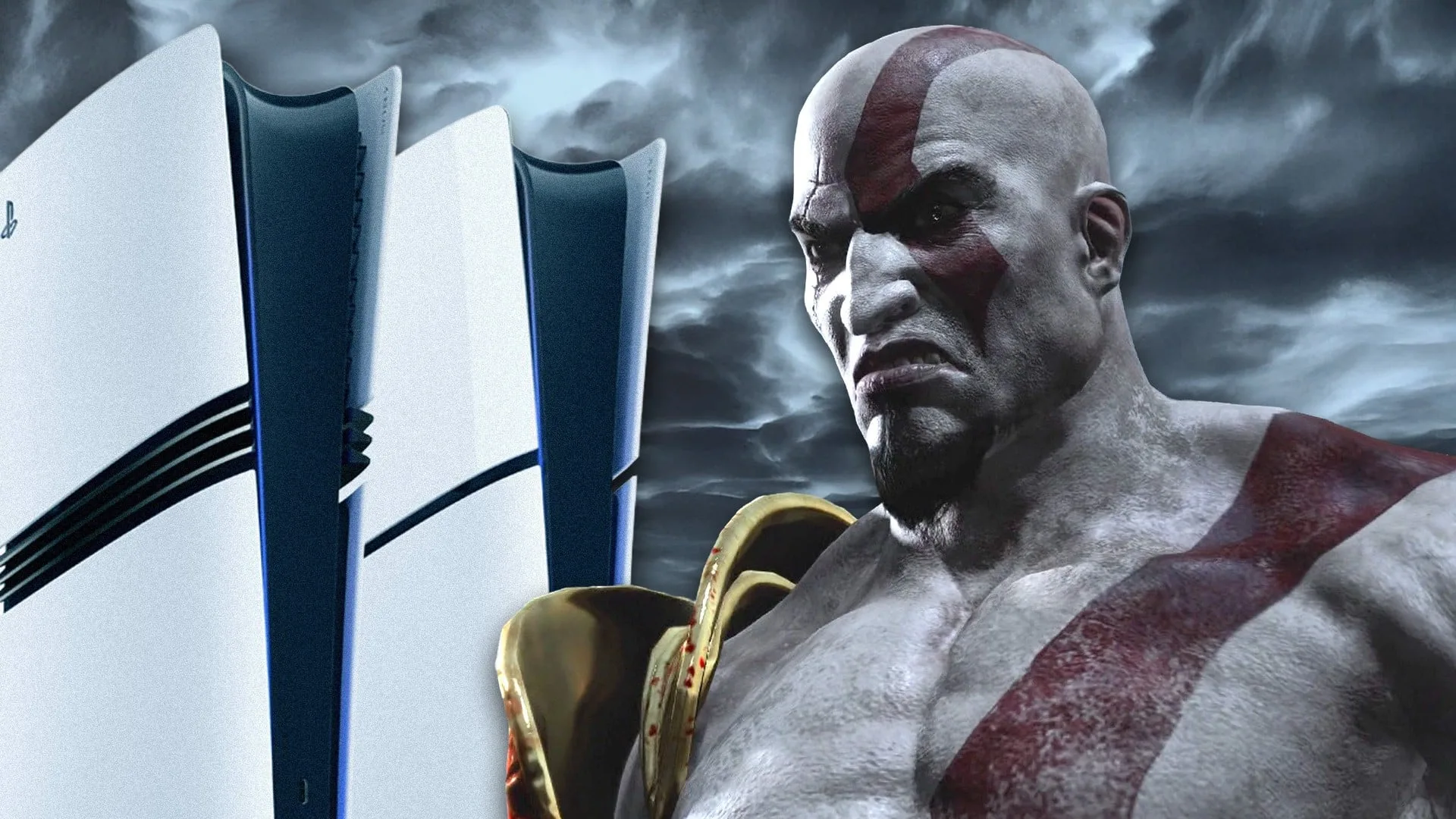
The closure sends immediate ripples through the industry and fan community. One pressing question now hangs over a major PlayStation announcement: the remake of the original God of War trilogy for PS5. Bluepoint was the instant, fan-favorite candidate to helm such a project. Its closure throws that assumption into disarray and raises doubts about who will steward these classic titles.
The manner of the news breaking is also significant. That journalists like Jason Schreier reported on a leaked memo, rather than Sony issuing a proud press release as they did with the acquisition, speaks volumes. It underscores the sensitivity and perceived negativity of the decision.
This episode leaves critical questions unanswered. Was pivoting Bluepoint to live-service a profound strategic misstep, ignoring the studio's core competency? What does this mean for other single-player focused "remaster/remake" specialists within large publishers—are they valued assets or expendable teams? Most importantly, how will Sony's studio portfolio strategy evolve after this painful retrenchment? The balance between chasing the lucrative live-service dream and nurturing the polished, narrative-driven experiences (and respectful remakes) that built the PlayStation brand is now more precarious than ever.
The arc of Bluepoint's story is a modern industry tragedy. A studio, acquired at the height of its powers and popularity, was ensnared in a costly corporate strategy shift and an unforgiving economic climate. The closure of the studio that perfectly remade Shadow of the Colossus is a stark reminder that in today's gaming landscape, even the most revered artisans are not immune to the shifting colossi of corporate strategy. The question now is what—and who—will be sacrificed next as PlayStation continues to 'right-size' its dreams for the future.
Tags: PlayStation Studios, Bluepoint Games, Hermen Hulst, Video Game Industry Layoffs, Live-Service Games