Final Fantasy X/X-2 HD Remaster Hits Switch 2 Next Month, But Existing Owners Are Left Out
Key Facts Release: July 23, 2026 (digital only in West; Japan physical Game-Key Card one month later) Price: $49.99 / £44.99 / €49.99 What’s new: Higher resolution (likely 1440p docked / 1080p...

Key Facts
Release: July 23, 2026 (digital only in West; Japan physical Game-Key Card one month later)
Price: $49.99 / £44.99 / €49.99
What’s new: Higher resolution (likely 1440p docked / 1080p handheld)
What’s missing: No free or paid upgrade from Switch version, no save transfer, no new content or 60fps support
Backward compatible? Yes, Switch 1 version plays on Switch 2 with original resolution and saves intact
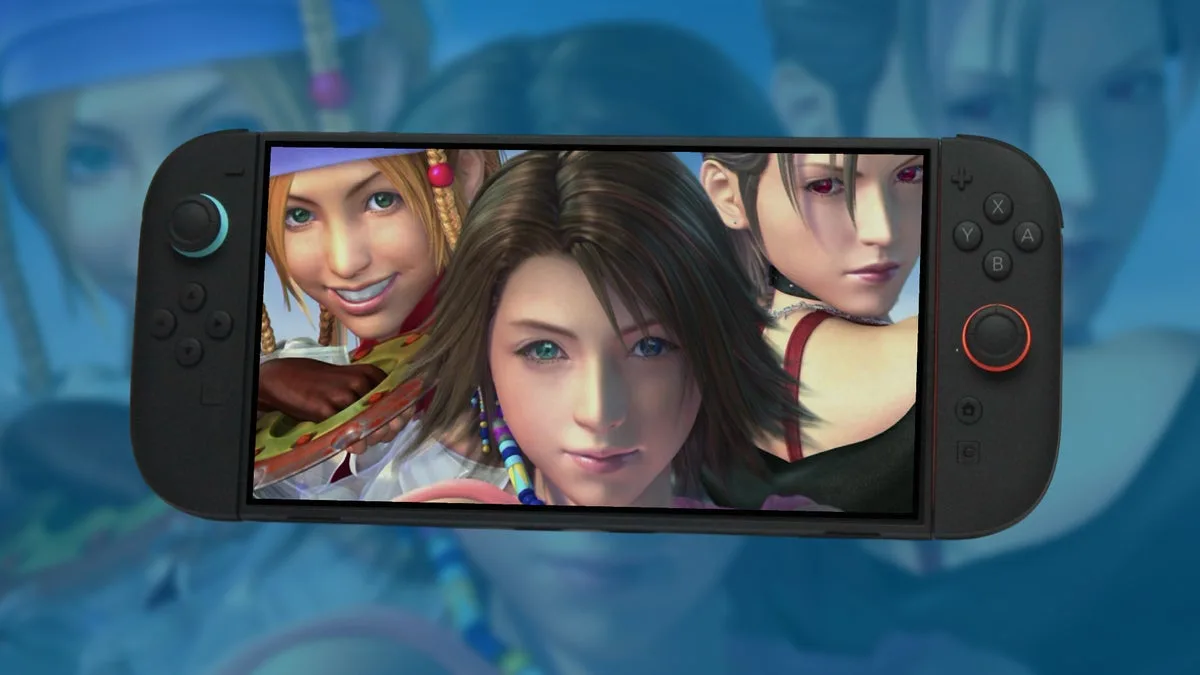
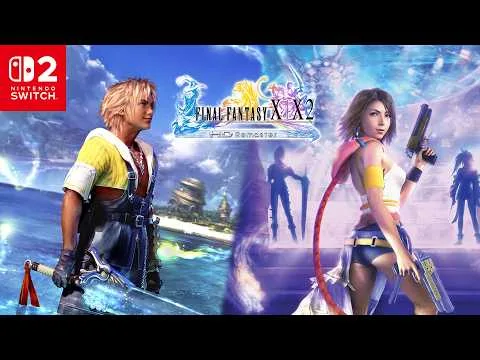
After years of speculation and quiet hope, Square Enix has finally confirmed that Final Fantasy X and X-2 are making the leap to Nintendo Switch 2. The beloved HD Remaster bundle arrives digitally on July 23, 2026, priced at $49.99 / £44.99 / €49.99, exactly what the original Switch version cost when it launched in 2019. But for the many fans who already own that version, the announcement delivered a sharp sting: no free or paid upgrade path, no save data transfer, and no meaningful new features beyond a higher resolution. As Final Fantasy X celebrates its 25th anniversary, the question is whether this "dedicated port" honors the milestone or simply asks loyal players to pay full price all over again.
The Announcement, What We Know So Far
Square Enix dropped the news on June 9, 2026, ahead of that day's Nintendo Direct showcase. The trailer confirmed a digital-only release for Western markets, while Japan will receive a physical Game-Key Card approximately one month later. The game arrives on Switch 2 just over three months after the console's launch, making it one of the first third-party ports to target the new hardware directly.
For context, the Final Fantasy X/X-2 HD Remaster has had a long journey. Originally released on PlayStation 3 and PlayStation Vita in 2013, it later came to PlayStation 4 (2015), PC (2016), and finally Nintendo Switch and Xbox One in 2019. Each version carried over the same core package: fully remastered HD visuals, a re-recorded soundtrack, the International Version content (including the Dark Aeons and Penance superboss), and welcome quality-of-life toggles like high-speed mode and the option to disable random encounters. The Switch 2 version inherits all of that. But what it adds, and what it withholds, is where the frustration sets in.

The Catch, No Upgrade, No Save Transfer, No New Content
The most glaring omission is the absence of any upgrade path. Square Enix has not announced a free or paid upgrade for existing Switch owners. If you already purchased the game on Nintendo Switch and want to play it on Switch 2 with the enhanced resolution, you must buy the full game again at the same price. The company has not commented on community speculation about a possible £10 paid upgrade, and no such option has appeared on any official store page.
Worse still, save data cannot be transferred between versions. Players who have spent dozens or hundreds of hours completing Sphere Grids, capturing monsters, or chasing that perfect Blitzball team will have to start from scratch. The incompatibility is a particular blow for completionists and those who invested time in the International content's post-game challenges.
So what is actually new? Based on everything Square Enix has shared, the Switch 2 port offers a higher resolution, presumably taking advantage of the new console's increased power for a sharper image in both handheld and docked modes. While Square Enix hasn't confirmed exact specs, Switch 2's capabilities suggest at least 1440p docked and 1080p handheld, a notable jump from the original Switch's 720p handheld / 1080p docked limits. But beyond that, the feature set appears identical to the 2019 Switch release. There are no new gameplay modes, no bonus content, no remastered cinematics, and no mention of 60 frames-per-second support. For a $49.99 re-purchase that celebrates a 25-year-old classic, that is a bare minimum.
The Broader Trend, Cross-Gen Frustration in the Switch 2 Era
Square Enix's approach is not happening in a vacuum. As the Switch 2 builds its library, publishers are wrestling with how to handle cross-gen compatibility. Nintendo itself has offered free performance patches for some first-party titles, compare this to The Legend of Zelda: Tears of the Kingdom, which received a free performance patch on Switch 2, allowing the already-purchased game to run at higher frame rates and resolution with no extra cost. Square Enix's paid port model stands in stark contrast. But third-party publishers are charting their own paths, and the results have been mixed.
The key distinction here is between backward compatibility and a native port. Switch 2 can play most Switch 1 game cards and digital purchases, but those titles run in a "dock boost" mode that provides only the Switch 1's original resolution and performance, no native enhancements. A dedicated Switch 2 port, like this one, can target the hardware directly and deliver higher resolution. The catch is that it requires a separate purchase. For early adopters who already bought the game on Switch, that feels less like a technological upgrade and more like a penalty for being loyal.
Square Enix has a well-documented history of re-releasing its classics with incremental improvements. From the multiple versions of Final Fantasy VII to the various ports of Chrono Trigger, the company knows how to extract full value from its catalog. But in this case, the lack of even a discounted upgrade path for a game that many players bought just six years ago feels like a misread of the room, especially when the only tangible improvement is a sharper image.
Is It Worth the Double Dip?
For newcomers, the value proposition is straightforward. $49.99 buys two of the most celebrated JRPGs of the early 2000s, with remastered visuals, quality-of-life toggles, and dozens of hours of content per game. The original Switch version received a 9/10 from Nintendo Life (2019), and the core experience remains excellent. If you have never played Final Fantasy X or X-2, or if you missed the 2019 port, July 23 is a fine time to jump in.
For existing Switch owners, the calculation is much harder. If you already own the game and plan to keep using your Switch 1 alongside the Switch 2, there is no reason to buy again. The backward compatibility mode on Switch 2 will let you play your existing copy with your saves intact. You will not get a resolution boost, but everything else remains the same.
The toughest decision falls on players who intend to fully migrate to Switch 2 and want the best possible version of the game. Do you spend $49.99 for a sharper image and lose all progress? Or do you accept the softer visuals of the backward-compatible version and keep your hundreds of hours of investment? For most, the answer will be to wait for a sale, or skip the double dip entirely. The 25th anniversary could have been the perfect occasion for a meaningful celebration: a new art book, a bonus dungeon, or at least a discounted upgrade price. Instead, Square Enix chose to do the bare minimum.
A Missed Opportunity for a Milestone Anniversary
Final Fantasy X/X-2 HD Remaster on Switch 2 is a textbook example of how not to handle a cross-gen re-release. The game itself remains a masterpiece, its story, combat, and world have aged remarkably well. But the port's lack of ambition, combined with the punitive pricing for existing owners, sours what should have been a straightforward win. As the early Switch 2 landscape takes shape, publishers would be wise to study this case.
Offering a resolution bump alone is not enough to justify a full-price re-purchase, especially when backward compatibility already ensures that players can play their old copies. By refusing to offer an upgrade path or save transfer, Square Enix has turned a celebration into a double-dip penalty. For the fans who have kept Spira alive for 25 years, that feels like a betrayal. The smart move? Stick with your Switch 1 cartridge, or wait for the inevitable discount. The world of Final Fantasy X is worth revisiting, but not at this cost.