Crazy Taxi: World Tour Producer Clarifies AI Use: How Sega Is Navigating the Generative AI Backlash
From Dreamcast Revival to AI Firestorm Announced as part of Sega’s 2023 legacy IP revival plan, alongside new entries in Jet Set Radio , Streets of Rage , Golden Axe , and Shinobi , Crazy Taxi: World...

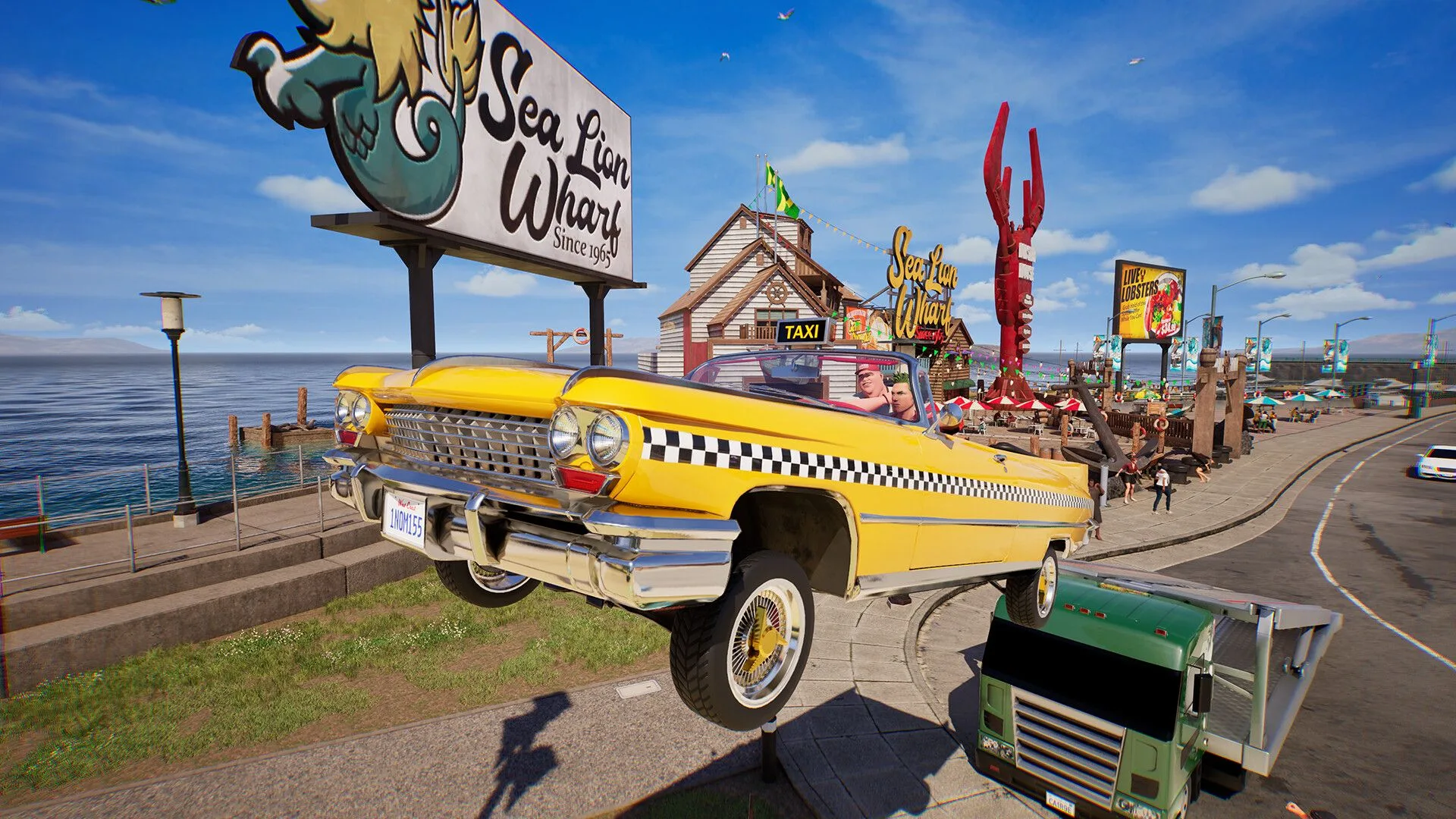
From Dreamcast Revival to AI Firestorm Announced as part of Sega’s 2023 legacy IP revival plan, alongside new entries in Jet Set Radio, Streets of Rage, Golden Axe, and Shinobi, Crazy Taxi: World Tour finally showed its full colors at Microsoft’s summer showcase. The trailer promised high-speed arcade chaos, updated visuals, and the same punk-rock attitude that made the original a cult icon. Yet within hours, fan forums and social media filled with anger rather than anticipation. The trigger was a simple disclaimer on the game’s Steam page. Valve now requires developers to disclose any use of generative AI during development, and Sega had complied, acknowledging that AI was employed. The news spread rapidly, amplified by the fact that Crazy Taxi is a beloved series rooted in a specific human-crafted aesthetic. Many fans felt betrayed that Sega would lean on a tool widely associated with job displacement and ethical controversy. The timing was especially charged. Just months earlier, Clair Obscur: Expedition 33 was disqualified from the Indie Game Awards over concerns about its AI workflow, setting a clear precedent that even limited AI use could carry professional consequences. The industry’s hardening stance meant Sega’s disclosure landed in a minefield.
Sega’s Official Statement vs. Kanno’s Clarification, What’s the Difference?
Sega was quick to respond. In an official statement, the company confirmed that generative AI had been used as a “support tool” specifically for background assets. The statement added that all AI-generated content was “subject to review” before inclusion, language that left the door open for such content that passed human scrutiny to potentially ship in the final game. Then series creator and producer Kenji Kanno provided a more detailed clarification. Speaking in a subsequent interview, Kanno explained that AI was used exclusively as “reference” or “ideation” material. Artists would generate concepts and mood boards using AI, then create entirely original in-game assets based on those references. No AI-generated pixels, he insisted, would appear in the final product. This difference in wording is significant. Sega’s corporate line, assets “subject to review”, implies that human-approved AI content could end up in the finished game. Kanno’s creator-level comments draw a hard line: AI is a pre-production sketchpad, not a production pipeline. Multiple outlets, including Push Square and Nintendo Wire, reported the “reference only” interpretation, giving Kanno’s account more weight. Sega also explicitly addressed one of the most sensitive AI concerns: likeness rights. The company stated that “no AI was used in reference to the performers in the game,” aiming to assuage fears that voice actors or models had been digitally replicated without consent.

The Broader Industry Shift, Steam Disclosures, Awards Disqualifications, and Fan Sentiment
The Crazy Taxi: World Tour controversy is not an isolated incident. Steam’s AI disclosure policy changed the game by forcing developers to publicly acknowledge their AI usage, something many would have preferred to keep quiet. Without that rule, this blowback might never have happened. But transparency has a cost: it invites scrutiny from a community already primed for suspicion. Kanno acknowledged this shifting landscape, noting that “generative AI will continue to be a hot topic.” He defended the team’s limited adoption of the tech as a productivity tool for ideation, arguing that it helps artists explore directions faster without replacing their creative judgment. Yet the backlash shows that many fans apply zero-tolerance logic: any AI involvement, even in pre-production, is viewed as a betrayal of the handcrafted ethos that defined the original games. The Clair Obscur disqualification reinforces this. If using AI for “reference” can derail award eligibility, and potentially harm sales and reputation, then developers must weigh the marginal productivity gains against the significant PR risk. Sega’s handling of Crazy Taxi: World Tour becomes a high-profile test case.
The Core Ambiguity: Reference Only, or Reviewable Asset?
Despite Kanno’s assurances, a core ambiguity remains. Sega’s official statement, that AI-generated material could be approved by human artists, still allows for the possibility that some AI-generated material might pass human approval and appear in the final build. Kanno’s “reference only” claim is more reassuring, but it is not a legally binding commitment. The company has not publicly updated its Steam disclosure to specify that no AI content will ship. This leaves the game vulnerable to further scrutiny. If players discover any trace of AI-generated textures or environmental art at launch, even a single street sign or billboard, the accusations of duplicity will be fierce. The middle ground Sega is attempting to occupy, using AI for ideation but not ruling out its use in final assets, may prove untenable in an environment where fans demand absolute separation. Crazy Taxi: World Tour is scheduled for a 2027 release across PS5, Xbox Series X/S, Nintendo Switch 2, and PC. That gives Sega time to either fully scrub any potential AI traces from the build or to issue a definitive policy statement. But time also allows the controversy to fester.
The 2027 Verdict
Kanno’s clarification may have temporarily cooled the backlash. Yet it did not eliminate the trust deficit. The gaming community now expects total transparency and a hard, public line against generative AI in shipped content. Sega’s handling of Crazy Taxi: World Tour will be a test case for how legacy revivals can, or cannot, incorporate AI without alienating their core audience. The 2027 launch is far enough away for Sega to fully commit to a no-AI-in-shipped-content policy, or to lose the trust of the very audience it's trying to win back. Which path it chooses will set a precedent for every legacy revival that follows.